
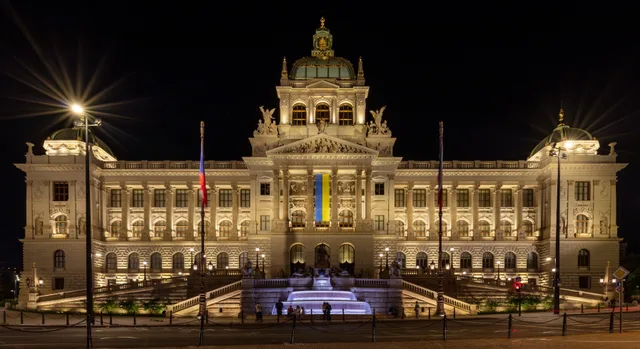
 距离 ≈ 5分钟国家博物馆
- 距离
- 200米
 TravelHub
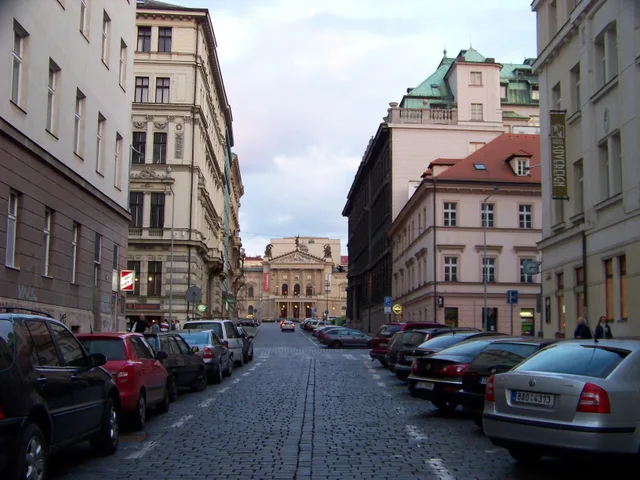
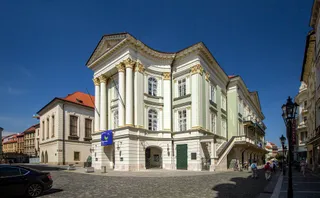
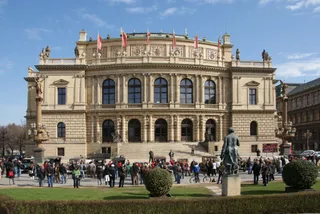
Residents navigate the State Opera as an everyday theatre habit, slipping into the ornate auditorium on ordinary weeknights while short-term visitors fight for main-stage weekend seats.
The house emerged when the local German community funded a dedicated venue following the construction of the Czech National Theatre. Viennese architects Fellner and Helmer collaborated with Karl Hasenauer on the plans, while Alfons Wertmüller oversaw construction. Elaborate neo-rococo interiors welcomed Richard Wagner works alongside guest appearances by singers such as Enrico Caruso and Nellie Melba.
Before wartime upheaval closed the auditorium, the company functioned as a sanctuary for artists escaping German political persecution. Following the fall of the occupation regime, Czech artists transformed the venue into a stage for domestic opera. This post-war company broke with convention by staging Bedřich Smetana alongside radical modern pieces, including quarter-tone compositions by Alois Hába and productions of Sergei Prokofiev.
Institutional friction soon curtailed the experimental programming. State authorities merged the ambitious ensemble into the National Theatre network, later renaming the building after Bedřich Smetana. Today the opera house operates under the Ministry of Culture, preserving extensive seasonal repertoires that balance historical German origins with established Czech staging traditions.
此处暂无免费住宿的房东 — 最近的此类城市为:
柏林访客在 Google 地图上怎么说
Google 地图的评分和最新评价将按需加载。