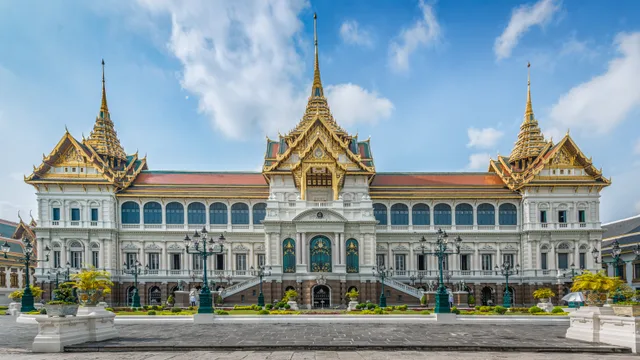
 ≈ 30 daq. masofadaGrand Palace
- Masofa
- 2,5 km
 TravelHub
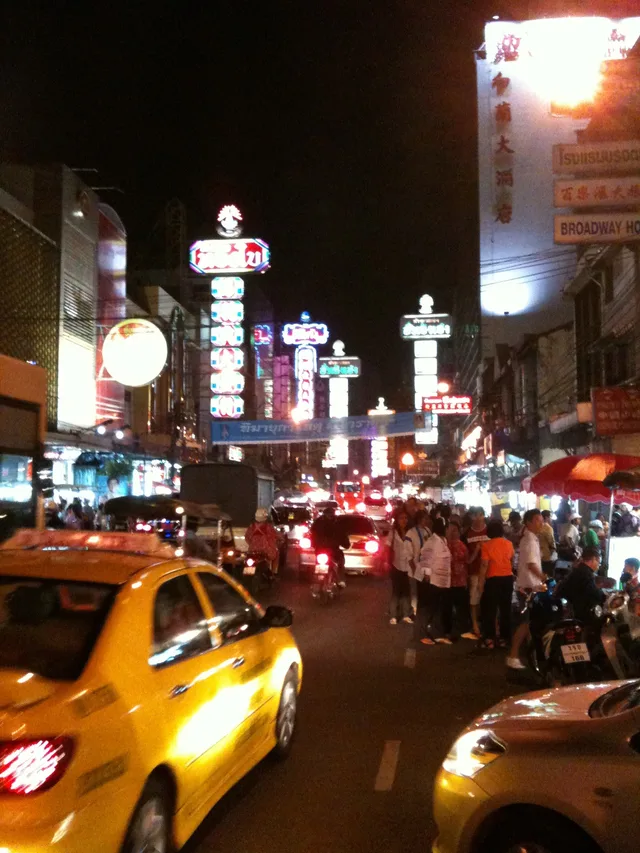
Residents along Chinatown's primary commercial corridor trade evening market congestion and tight living quarters for rapid transit access and direct wholesale markets.
The district developed after the relocation of Chinese merchants from the palace grounds to the riverbank during the founding of Rattanakosin. These traders managed maritime junk routes between Siam and China, establishing permanent commercial operations along the waterfront. Royal decrees later directed the construction of the curved avenue across former canals and rice fields to avoid demolishing existing residential clusters.
Modern commerce along the road centers on high-density retail and wholesale operations, ranging from gold brokerages to textile merchants and food suppliers. Real estate values throughout the corridor rank among the highest nationally, as family estates retain long-term control over limited plots. Nightfall shifts commercial activity toward outdoor food vendors, drawing dense foot traffic along the roadway.
Daily logistics rely on dense alley networks and public transit infrastructure. Wat Mangkon station provides direct underground rail access beneath nearby Charoen Krung Road, while multiple municipal bus routes navigate the corridor. Dense wooden housing in historic side lanes creates persistent fire risks, while major cultural celebrations periodically close the entire avenue to vehicular traffic.
Tashrif buyuruvchilar Google Xaritalarda nima yozadi
Google Xaritalardagi reyting va so‘nggi sharhlar so‘rov bo‘yicha yuklanadi.
≈ 30 daq. masofadaGrand Palace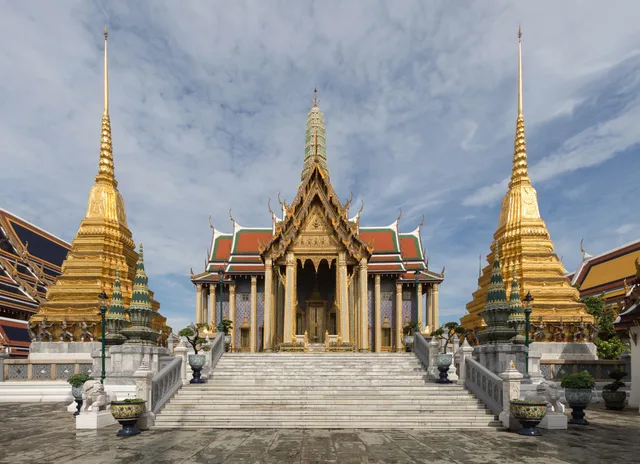 ≈ 30 daq. masofadaWat Phra Kaew
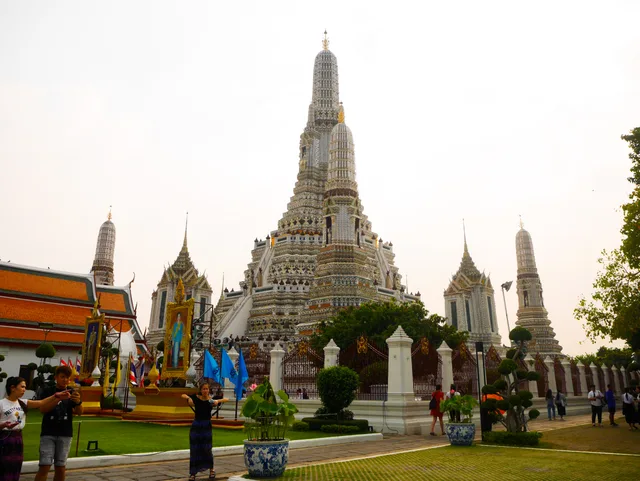 ≈ 35 daq. masofadaWat Arun
Kerakli joyni topolmadingizmi? Qidiruv tizimi har qanday tilni tushunadi. Qidiruvni ochish