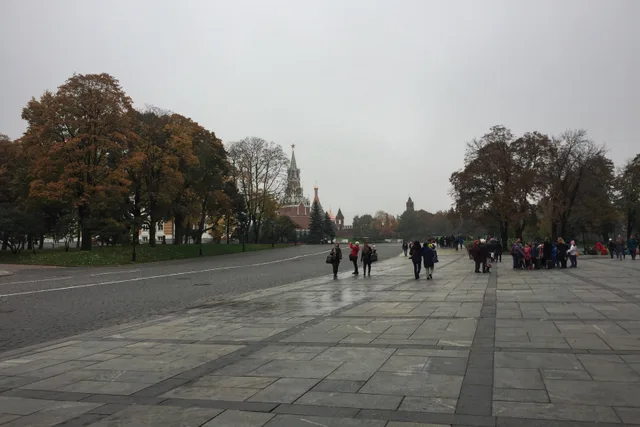
 ≈ 5 daq. masofadaKreml
- Masofa
- 200 m
 TravelHub
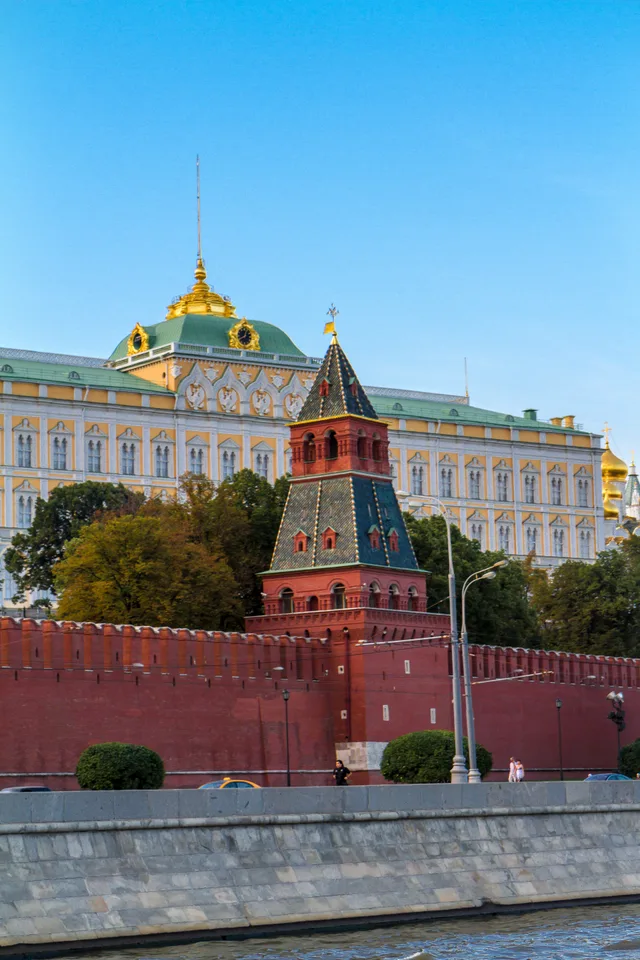
Residents walking Borovitsky Hill encounter an active diplomatic venue rather than an everyday museum, where state ceremonies regularly seal the ceremonial halls behind government protocol.
 Kreml
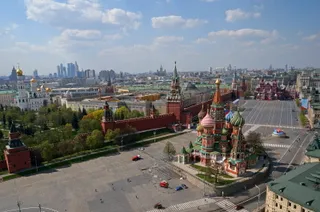 Qizil maydon
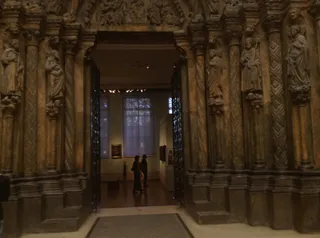 Pushkin Museum of Fine Arts
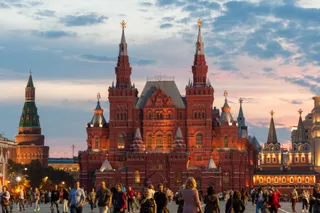 State Historical Museum
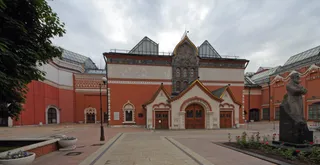 Tretyakov galereyasi
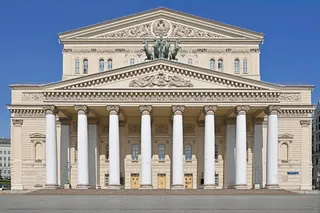 Rossiya Davlat akademik katta teatri
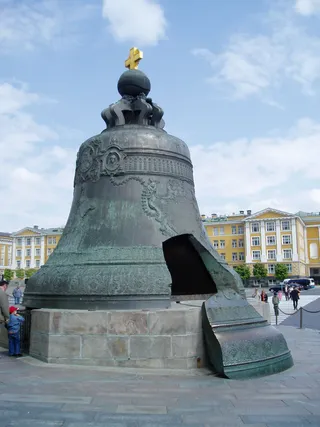 Tsar Bell
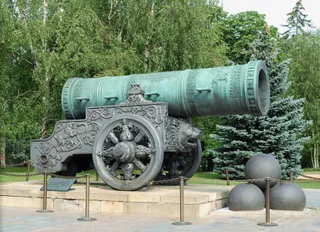 Tsar Cannon
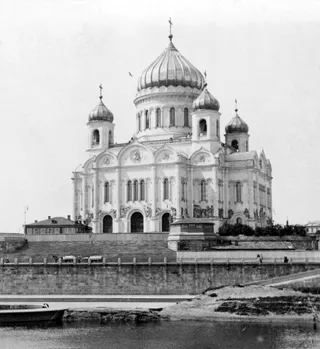 Cathedral of Christ the Saviour
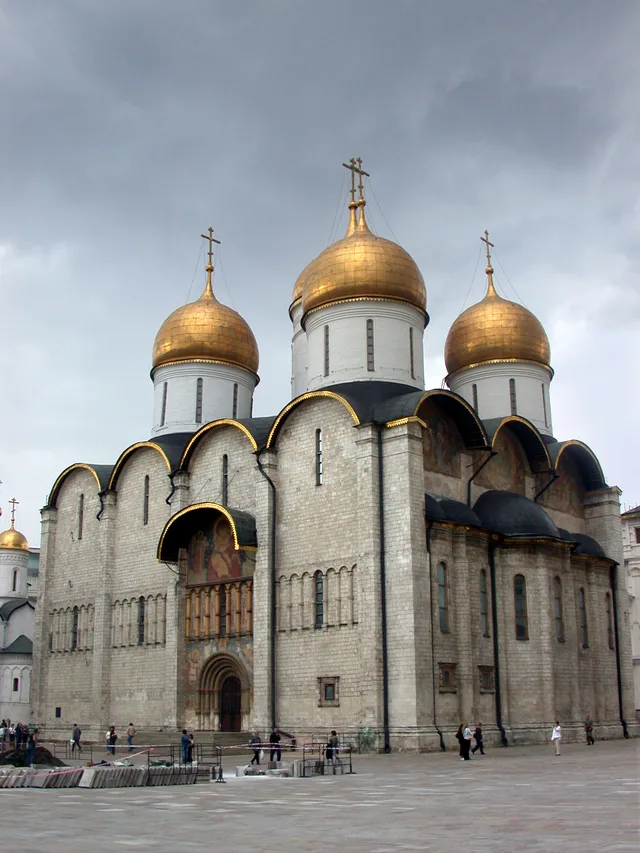
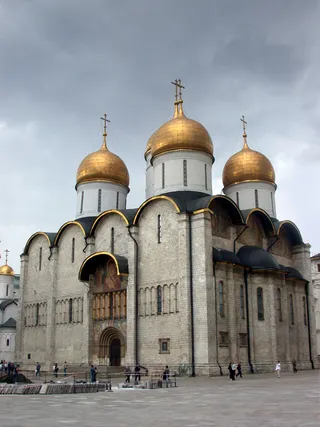 Dormition Cathedral
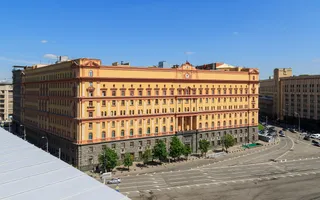 Lubyanka Building
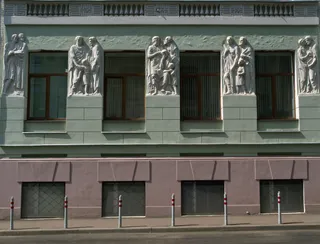 Moskva konservatoriyasi
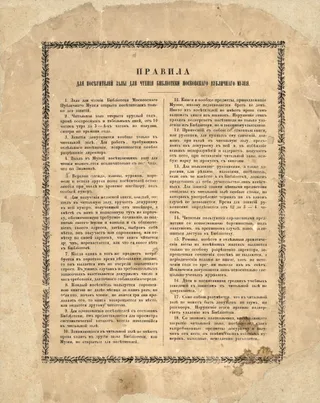 Russian State Library
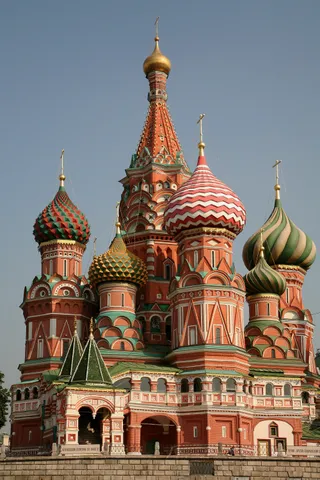 St. Basil's Cathedral
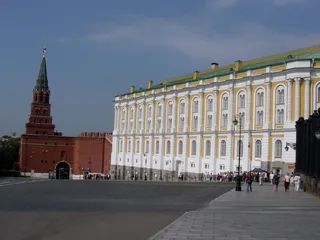 Orujeynaya palata
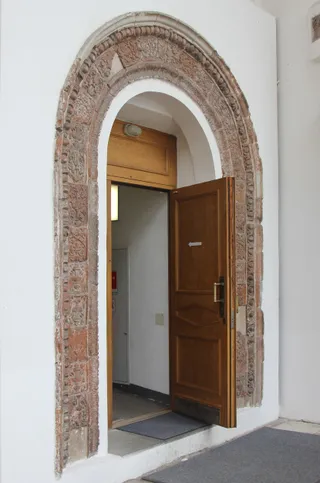 Ivan the Great Bell Tower
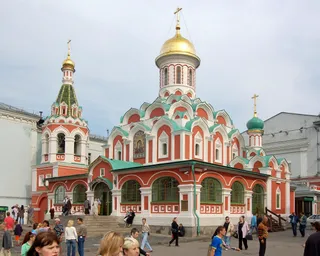 Kazan Cathedral
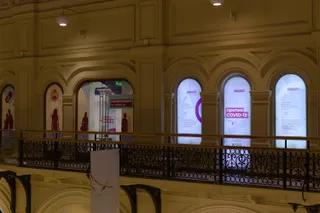 GUM
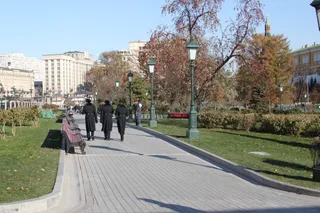 Alexander Garden
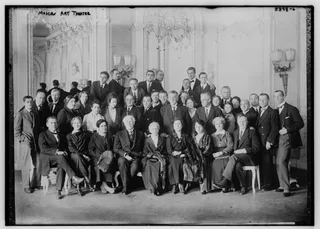 Moskva badiiy akademik teatri
 Tomb of the Unknown Soldier
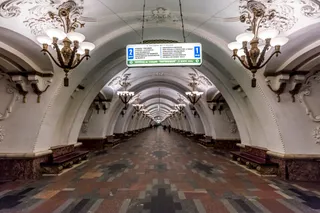 Arbatskaya
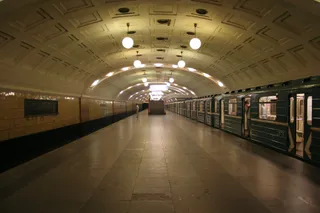 Biblioteka Imeni Lenina
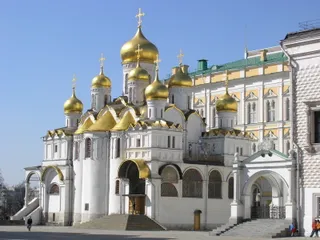 Cathedral of the Annunciation
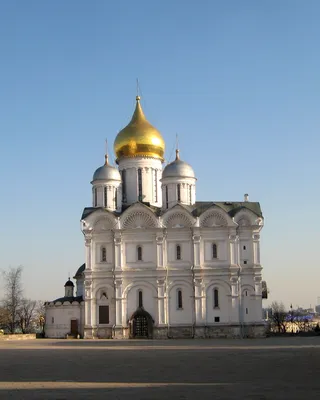 Cathedral of the Archangel
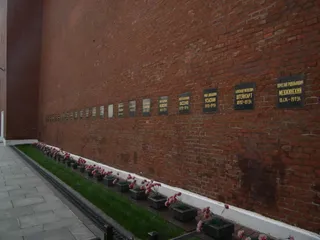 Kremlin Wall Necropolis
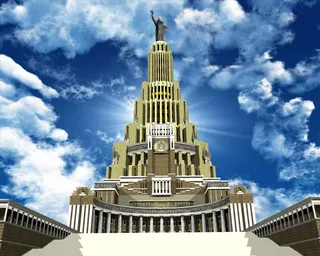 Sovetlar Saroyi
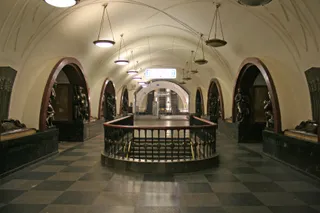 Ploshchad Revolyutsii
 Russian Institute of Theatre Arts
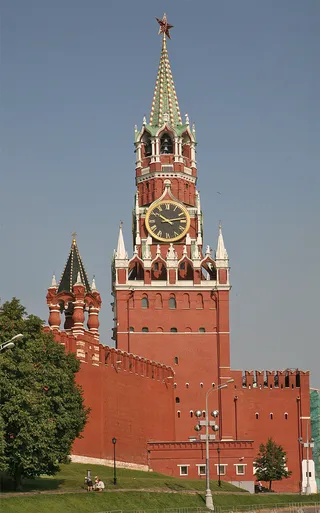 Spasskaya Tower
Konstantin Thon directed the construction on Borovitsky Hill to assert imperial authority, replacing an older Baroque palace by Rastrelli and a historic church by Aloisio the New. The perimeter forms an enclosed rectangle around an interior courtyard. The facade displays multiple tiers of windows to suggest extra storeys while illuminating grand halls with high ceilings on the upper floor.
The grounds integrate the ancient Terem Palace alongside historic churches and the Holy Vestibule. Western wings housed imperial private chambers, while ceremonial chambers bear designations from imperial orders. Vladimirsky Hall connects passages toward the Palace of Facets and serves as the venue for signing international treaties, establishing the site as a working diplomatic hub rather than a standard exhibition.
State functions continue inside Georgievsky Hall for official diplomatic receptions. Soviet administration previously merged Aleksandrovsky Hall and Andreyevsky Hall to accommodate parliamentary meetings, though later restorations returned both spaces to Thon's decorative plans. Access remains restricted by official state business, reminding long-term residents that the complex belongs to national governance.
Tashrif buyuruvchilar Google Xaritalarda nima yozadi
Google Xaritalardagi reyting va so‘nggi sharhlar so‘rov bo‘yicha yuklanadi.
≈ 5 daq. masofadaKreml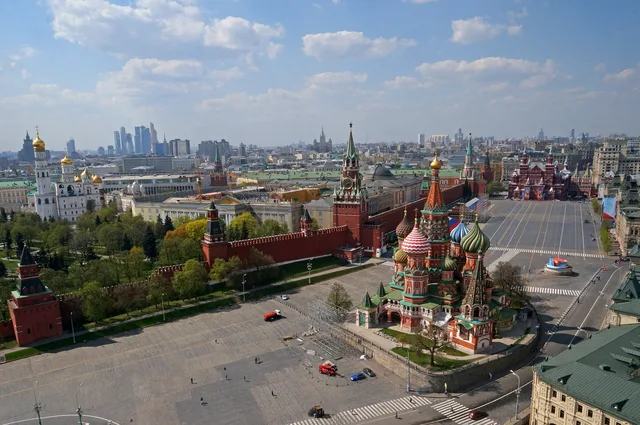 ≈ 10 daq. masofadaQizil maydon
Kerakli joyni topolmadingizmi? Qidiruv tizimi har qanday tilni tushunadi. Qidiruvni ochish