 ≈ 5 daq. masofadaFrauenkirche
- Masofa
- 400 m
 TravelHub
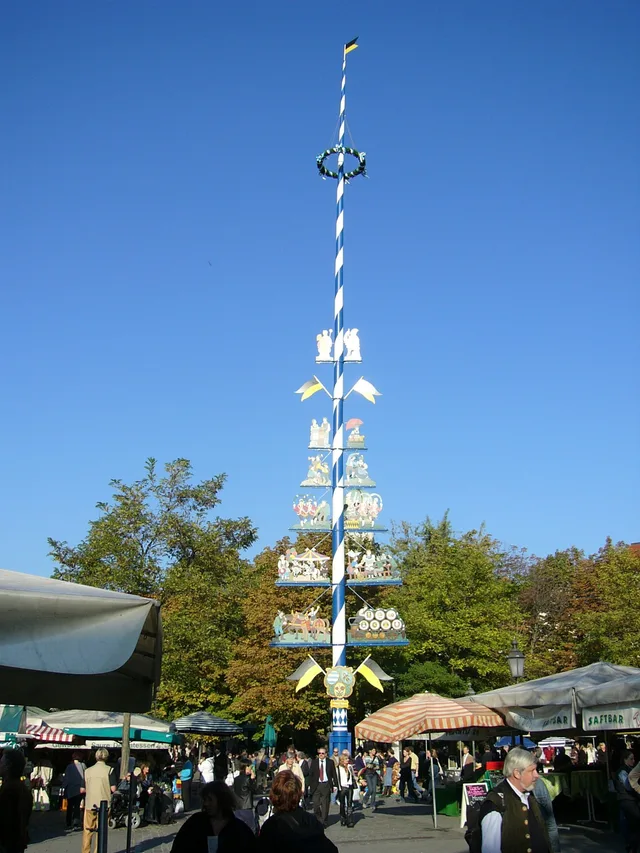
Tenants living nearby buy fresh produce from independent market stalls throughout the week, but must plan around strict Sunday closures.
 Deutsches Museum
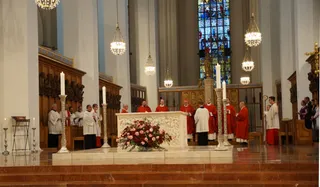 Frauenkirche
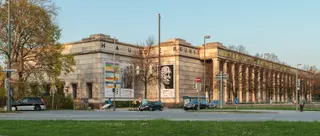 Haus der Kunst
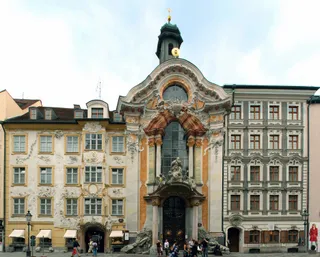 Asam Church
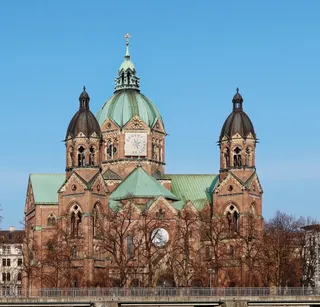 St. Lukas
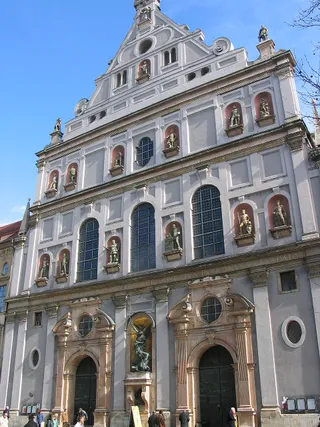 St. Michael's Church, Munich
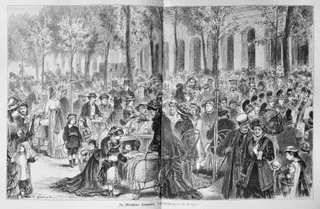 Hofgarten (München)
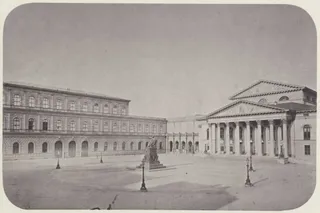 National Theatre Munich
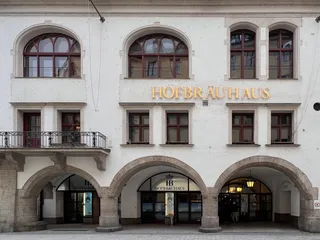 Hofbräuhaus am Platzl
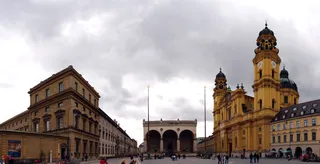 Odeonsplatz
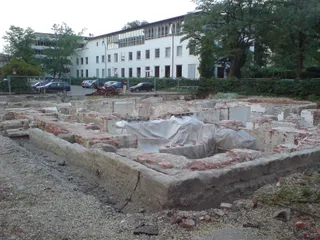 Braunes Haus
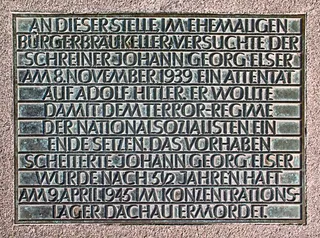 Bürgerbräukeller
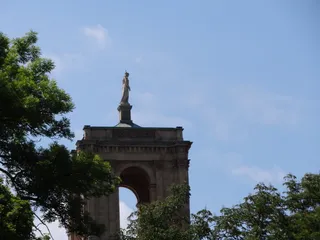 Maximilianeum
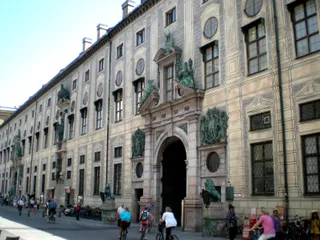 Myunxen rezidensiyasi
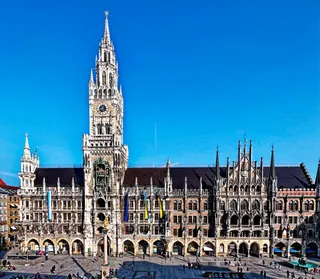 New Town Hall
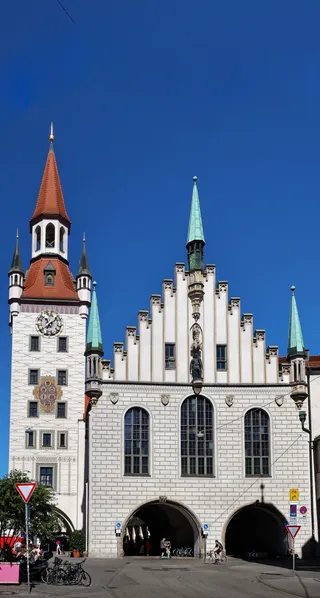 Old Town Hall, Munich
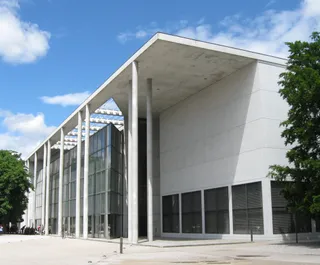 Pinakothek der Moderne
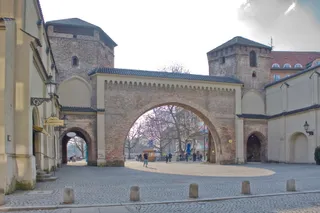 Sendlinger Tor
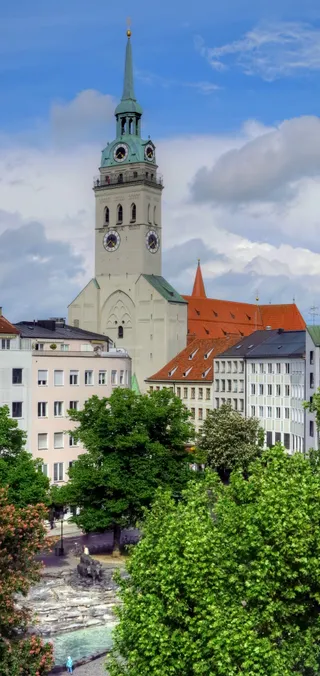 St. Peter's Church, Munich
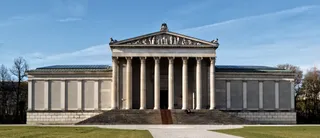 Staatliche Antikensammlungen
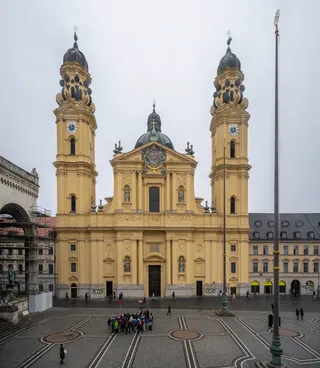 Theatine Church
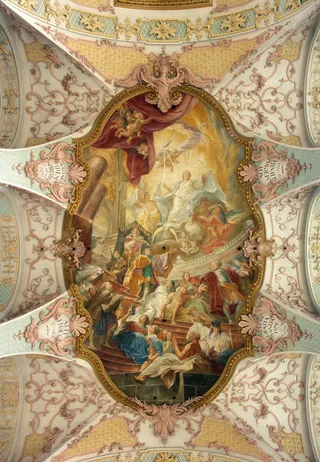 Heilig Geist
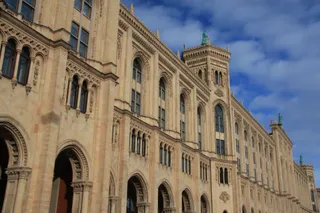 Museum Five Continents
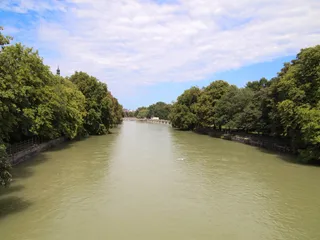 Ludwig bridge Munich
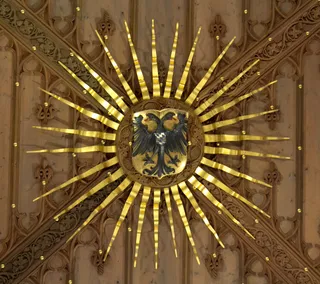 Talburgtor
 Heiliggeiststraße 6
 Orlando-Haus
 Zerwirkgewölbe
The market emerged when Marienplatz grew too congested for agricultural trade. A royal decree relocated the cereal and produce vendors to the grounds beside Heiliggeist Church, clearing medieval hospice buildings to create a dedicated square. Initially called the green market, vendors adopted the Latin term for provisions. The stalls trade every day except Sundays and public holidays, supplying central Munich with raw ingredients.
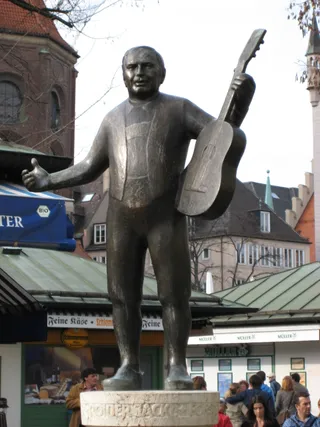
Expansion added specialized zones over time, including separate pavilions for fish, poultry, venison, tripe, and bakery products. Butchers settled at the base of Petersbergl, while seafood sellers shifted toward Westenriederstraße. Following wartime devastation, city leaders debated replacing the ruins with high-rise structures but chose full reconstruction, later installing memorial fountains honoring local folk singers.
Tashrif buyuruvchilar Google Xaritalarda nima yozadi
Google Xaritalardagi reyting va so‘nggi sharhlar so‘rov bo‘yicha yuklanadi.
≈ 5 daq. masofadaFrauenkirche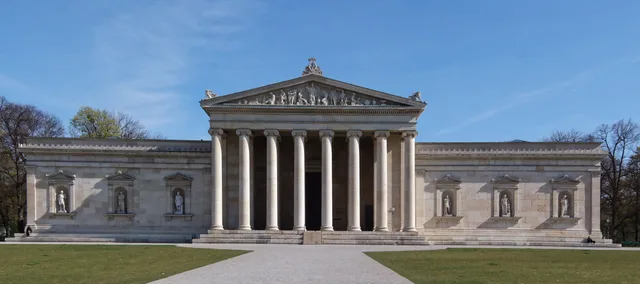 ≈ 20 daq. masofadaGlyptothek
Kerakli joyni topolmadingizmi? Qidiruv tizimi har qanday tilni tushunadi. Qidiruvni ochish