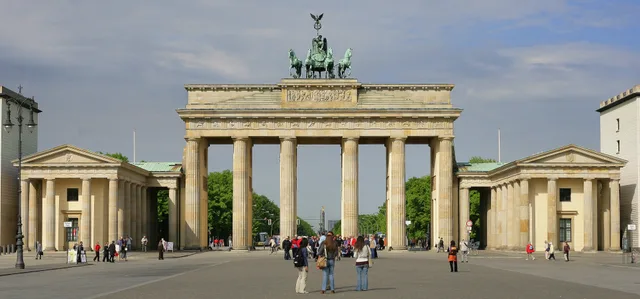
 ≈ 35 daq. masofadaBrandenburg darvozasi
- Masofa
- 2,9 km
 TravelHub
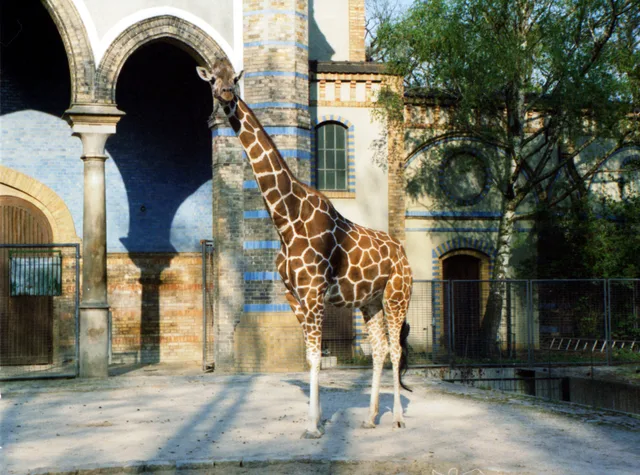
Tenants along the Tiergarten border wake to gibbon calls and station crowds before the park gates unlock.
The grounds occupy the Tiergarten, originating from a royal donation by King Frederick William of Prussia. The monarch transferred animals from the Pfaueninsel menagerie and the park pheasantry to launch the collection. An on-site aquarium broadened the displays, while the adjacent U-Bahn station tied the perimeter to metropolitan transit. The facility maintains among the world's broadest collections of animal species.
Institutional history includes colonial human exhibitions organized by Carl Hagenbeck, where indigenous groups were displayed in animal houses before crushing crowds. Anthropologist Rudolf Virchow examined these captive performers for lectures delivered on the grounds. During the Nazi era, director Lutz Heck aligned operations with state forestry authorities, while management expelled Jewish board members and barred Jewish visitors.
Wartime aerial bombings and intense Red Army artillery barrages destroyed major enclosures, including the original aquarium building. A massive flak tower loomed over the perimeter as combat engulfed the area, forcing staff to cull dangerous predators for safety. Few large animals survived the devastation, though an elephant named Siam and a hippopotamus named Knautschke endured the fighting to form the core of postwar recovery.
Tashrif buyuruvchilar Google Xaritalarda nima yozadi
Google Xaritalardagi reyting va so‘nggi sharhlar so‘rov bo‘yicha yuklanadi.
Kerakli joyni topolmadingizmi? Qidiruv tizimi har qanday tilni tushunadi. Qidiruvni ochish