
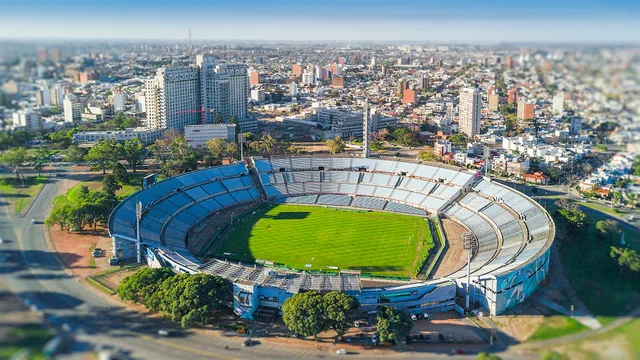
 MontevideoEstadio Centenario
Settle
Uruguay: Travel guide, visas and free housing · 2026
Residents carry hot water thermoses and mate gourds through daily routines, maintaining a shared social habit across parks and city sidewalks.
Now in the cityUruguay
EntryPick a passport
Places on the map92Exchange rate$40.28as of Nov 2, 2026
Language on siteSpanishHighlights of the country
MontevideoEstadio Centenario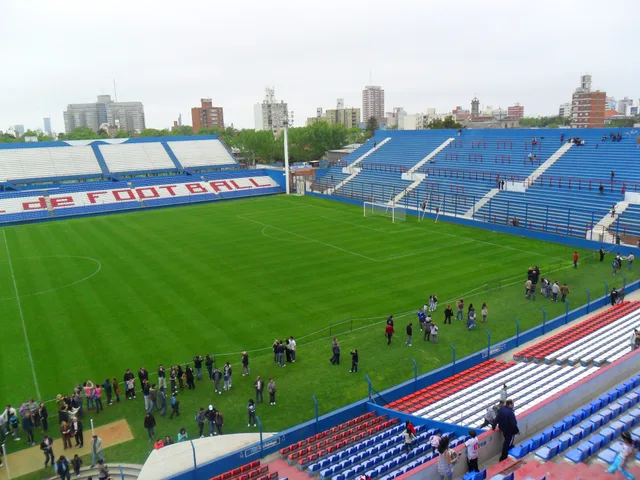 MontevideoEstadio Gran Parque Central
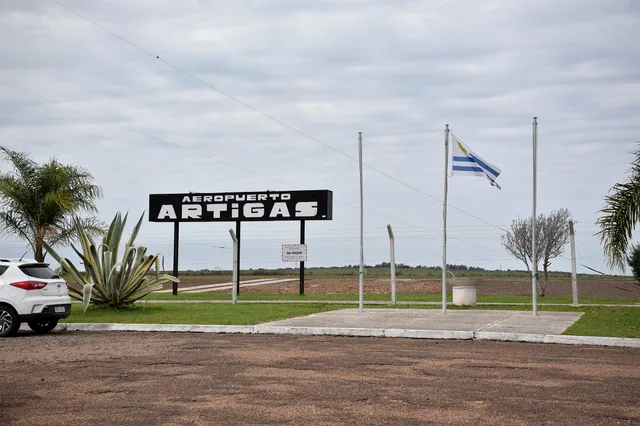 ArtigasArtigas Airport
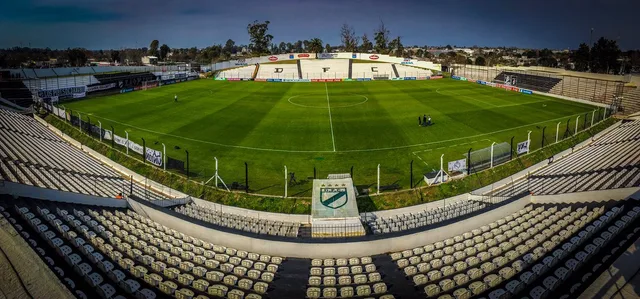 Montevideoharwood 6417
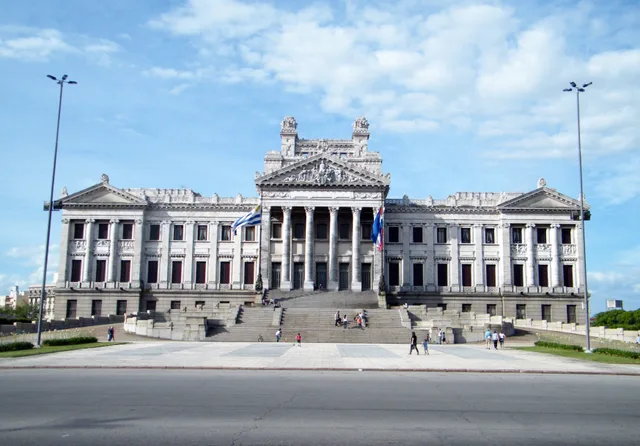 MontevideoLegislative Palace
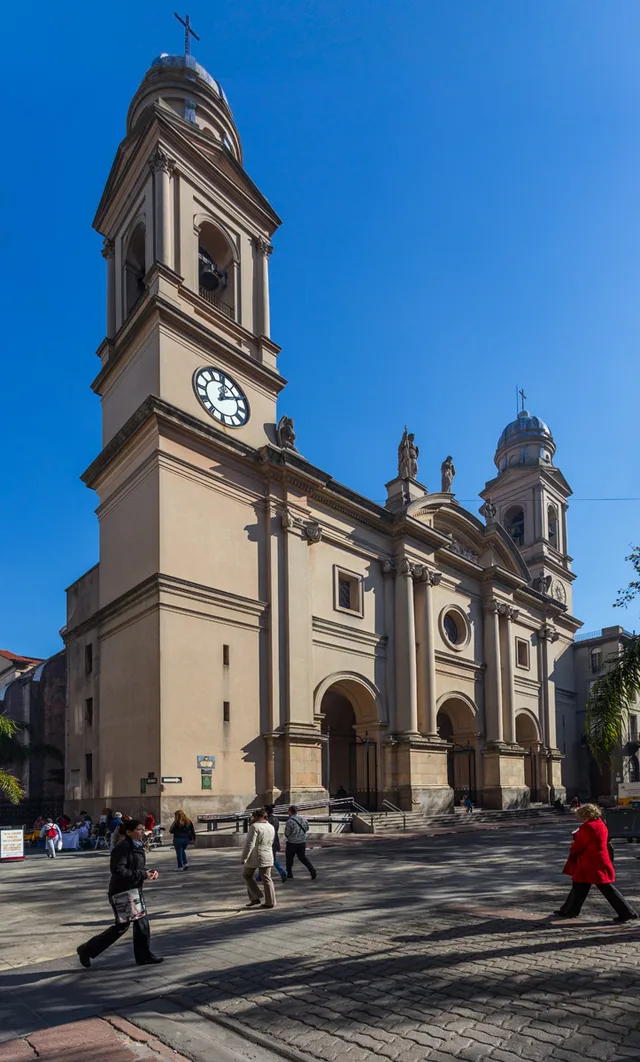 MontevideoMetropolitan Basilica Cathedral of the Immaculate Conception and San Felipe and Santiago
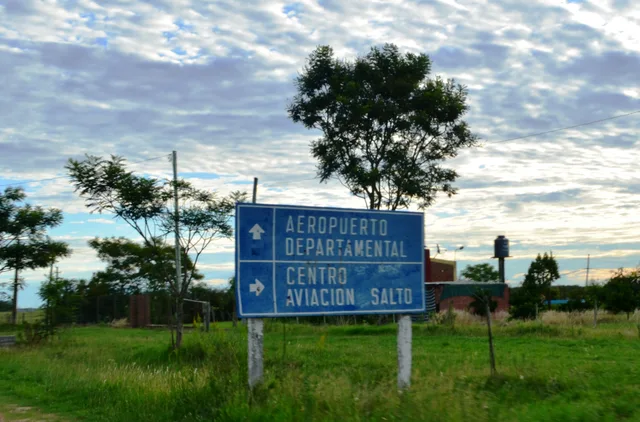 SaltoNueva Hespérides International Airport
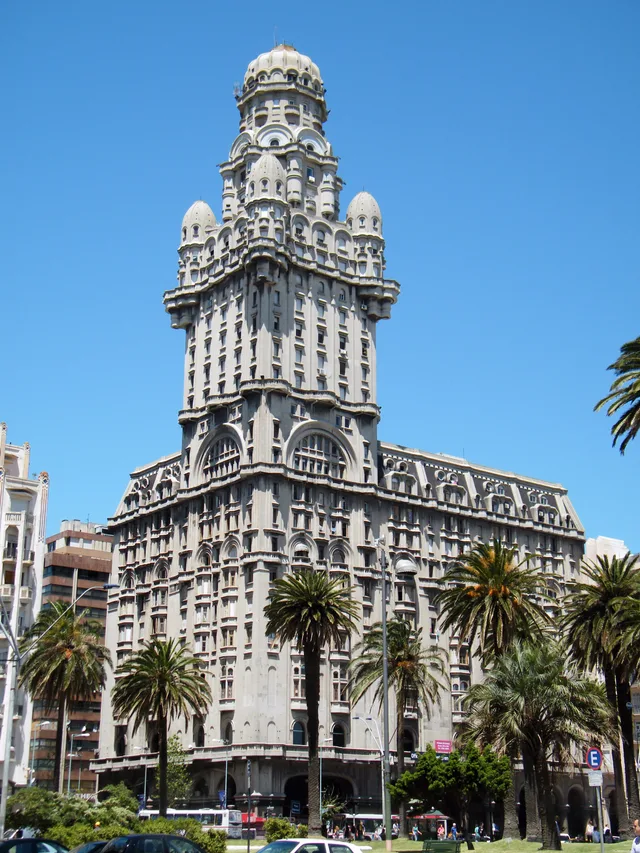 MontevideoPalacio Salvo
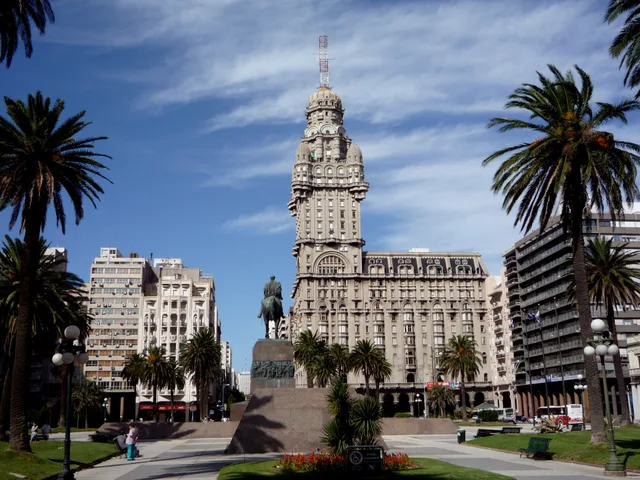 MontevideoPlaza Independencia
 MontevideoPocitos Stadium
- Carrasco International Airport and border checkpoints
- English and Spanish
- Hotels and tourism agencies in Montevideo and Punta del Este
- English and Spanish
- Intercity bus terminals and municipal buses
- Spanish
«¿Tiene descuento por pago con tarjeta extranjera?» — Use at restaurants and commercial venues to inquire about value-added tax tourist discounts.
About the place
European cultural traditions and extensive coastal ranching define everyday life across the territory.
Local culinary habits revolve around wood-fired beef barbecues, beef milanesa cutlets, and fresh pasta inherited from Italian immigration waves. Cattle farming remains central to the landscape and the national diet. Street life is defined by pedestrians carrying insulated thermoses and gourds of yerba mate, a bitter herbal infusion consumed socially throughout the day rather than purchased in commercial coffee shops.
Read on
Most urban activity and population concentrate heavily in the capital, while provincial journeys depend almost entirely on intercity bus networks running from central terminals. Passenger rail remains largely absent from long-distance transport. Coastal resort areas experience major seasonal population shifts, while inland departmental routes see steady, quiet traffic along single-lane national highways.
Urban neighborhoods experience theft and street crime that require basic vigilance, contrasting with the relative calm of agricultural departments. The territory sits within a regional tornado corridor and experiences seasonal flooding that can block rural roadways. Legal frameworks permit personal cannabis consumption for adult citizens, while public transit strikes occasionally disrupt departmental bus routes.
Associations
- Yerba mate
- Asado
- Candombe
- Tannat wine
- Urban property crime
Facts
- Montevideo serves as the national capital and houses the country's primary international airport.
- The national territory borders Argentina to the west and Brazil to the north.
- Tannat is the primary grape variety driving domestic commercial wine production.
- Intercity public passenger transit relies almost entirely on coach buses departing from dedicated terminals.
Source: Wikidata · Wikivoyage · Wikipedia
Uruguay in pictures15 photos
Visa and practicalities
Choose a passport
Set your passport — processing time, fee and documents differ between passports.
Good to know
- Bus union strikes take place periodically, suspending intercity transit while municipal lines may continue running.
- Taxi meters in the capital often record fares in tokens rather than currency, which drivers calculate using an official conversion sheet.
- Airlines operating routes into the country may require travelers to show documentation of onward transit before boarding.
Small things
- Cards
- Cash
- Tipping
Frequently asked
How do travellers get between cities in Uruguay?
Long-distance buses serve as the primary mode of intercity public transit. Most national routes depart from Tres Cruces terminal in Montevideo, operated by multiple commercial carriers. Passenger rail connections across the country remain mostly inactive or limited.
Source: WikivoyageWhere can visitors find and drink mate in Uruguay?
Mate is an infusion prepared from yerba mate and served in a handheld gourd. Locals carry thermoses and personal gourds in public, meaning cafés rarely prepare or serve the drink. Offering the beverage to others is a common social custom across the country.
Source: WikivoyageWhat are the signature traditional foods in Uruguay?
Beef plays a central role in the diet, especially through wood-fired barbecues known as asado. The classic sandwich, chivito, combines tenderloin steak with toppings like bacon, egg, and melted cheese. Italian culinary heritage also influences everyday dining through widespread pasta dishes and milanesa cutlets.
Source: WikivoyageWhat is the legal status of cannabis for tourists in Uruguay?
Uruguayan law permits adults to hold minor quantities of cannabis for personal use without criminal penalties. Commercial purchases and registered cultivation systems remain restricted to domestic citizens. Driving under the influence of cannabis is strictly prohibited and subject to legal penalties.
Source: Wikivoyage · WikipediaWhat should travellers know about driving and car rentals in Uruguay?
Main highways connect major destinations, while secondary routes off primary corridors include unpaved sections and rough surfaces. Most rental inventory consists of manual transmission vehicles due to fuel and import costs. Automatic vehicles are uncommon and carry higher rental rates.
Source: WikivoyageWhat style of wine is produced in Uruguay?
The country produces distinctive red wines made from the Tannat grape. Most vineyards and family wineries operate in the department of Canelones outside the capital. Selected bottles receive an official quality classification marked on the label.
Source: Wikivoyage3 sources
Source: Wikivoyage · Wikivoyage · Wikivoyage
Safety and health
Safety · official adviceour data as of Nov 3, 2026
Commercial purchase and personal cultivation of cannabis are restricted to adult citizens, while driving under the influence or holding bulk quantities remains illegal.
Heavy rainfall causes localized flooding that cuts off roadways, and severe storm systems can generate tornadoes.
Source: UK FCDO Foreign Travel Advice · US Department of State Travel Advisory · Wikipedia · Wikivoyage
Language and culture
Five phrases for the first day and where you can’t do without the language
Spanish is the standard language of communication across the country. English is spoken at major international transit hubs, high-end hotels, and tourist businesses in Montevideo and coastal resorts.
Five phrases for the first day
- ¿Tiene descuento por pago con tarjeta extranjera?TYEH-neh des-KWEN-toh por PAH-goh kon tar-HEH-tah eks-tran-HEH-rah
- ¿Cuánto cuesta el alquiler mensual?KWAN-toh KWES-tah el ahl-kee-LEHR men-SWAHL
- Terminal, por favor.tehr-mee-NAHL por fah-VOHR
- ¿Me cobra, por favor?meh KOH-brah por fah-VOHR
- ¿Tiene opción sin carne?TYEH-neh op-SYON seen KAR-neh
2 more phrases
- Chivito al pan para llevar, por favor.chee-VEE-toh ahl pahn PAH-rah yeh-VAR por fah-VOHR
- Necesito ayuda, por favor.neh-seh-SEE-toh ah-YOO-dah por fah-VOHR
Where you will need the language
| Situation | Language |
|---|---|
| Carrasco International Airport and border checkpoints | English and Spanish |
| Hotels and tourism agencies in Montevideo and Punta del Este | English and Spanish |
| Intercity bus terminals and municipal buses | Spanish |
| Supermarkets, neighborhood bakeries, and markets | Spanish |
| Government offices, police stations, and medical clinics | Spanish |
| Traditional parrilladas and neighbourhood eateries | Spanish |

LanguageFree
Spanish from Scratch: A0 → A2StudyHub· ≈ 65 hours
Cities of Uruguay
Places in Uruguay
Can’t find the place you need? Search understands any language. Open search