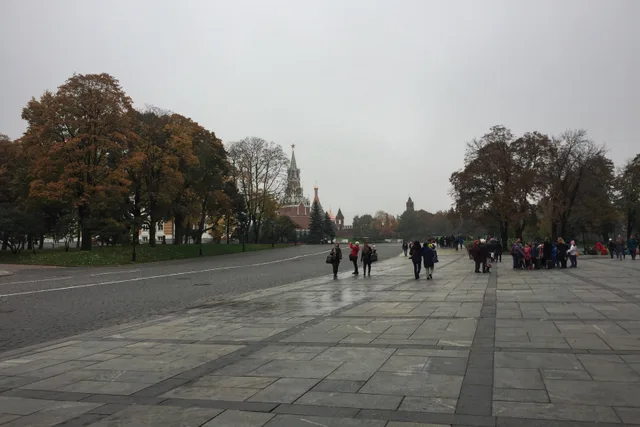
 ≈ 5 min de distânciaKremlin
- Distância
- 100 m
 TravelHub
Residents navigate strict security checkpoints around the Kremlin grounds every morning, trading direct central walking routes for detours through adjacent side streets.
 Kremlin
 Praça Vermelha
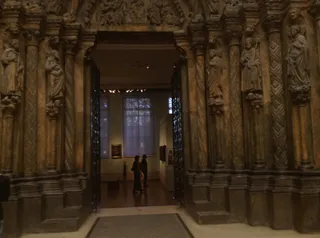 Museu Pushkin
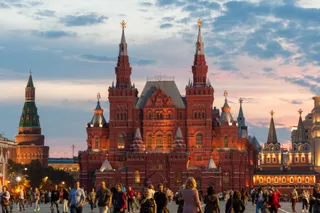 Museu Histórico do Estado
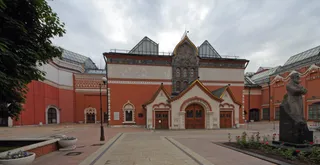 Galeria Tretyakov
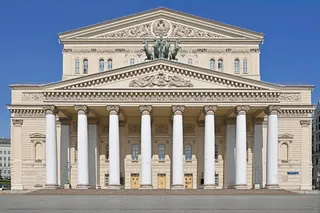 Teatro Bolshoi
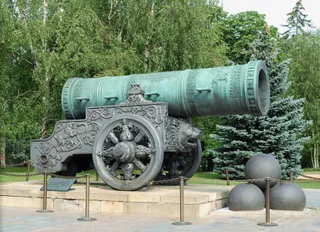 Tsar Pushka
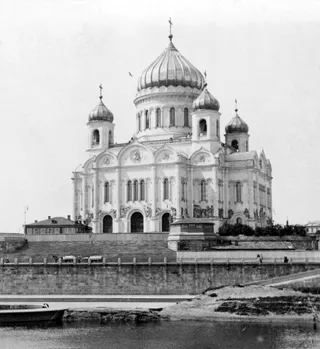 Catedral de Cristo Salvador de Moscou
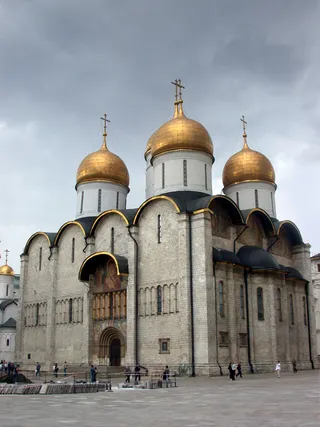 Catedral da Dormição
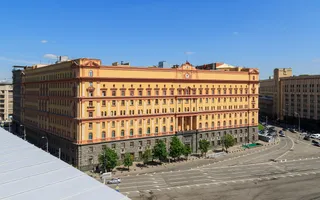 Lubianka
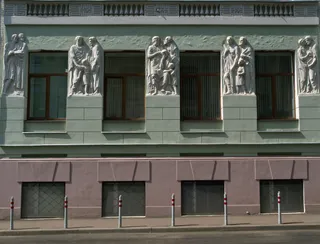 Conservatório de Moscovo
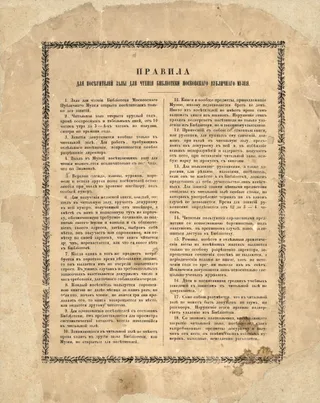 Biblioteca do Estado Russo
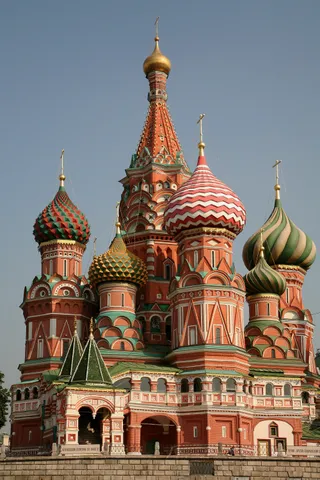 Catedral de São Basílio
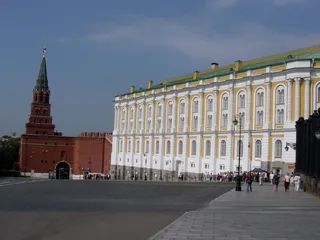 Palácio do Arsenal do Kremlin
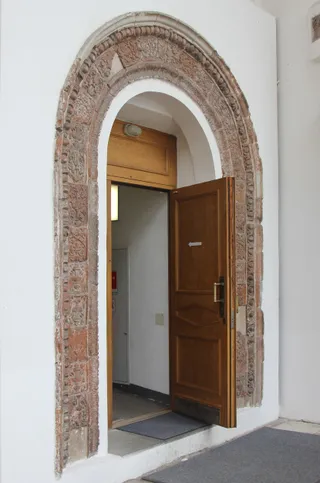 Campanário de Ivã III da Rússia
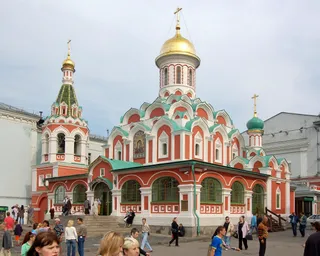 Catedral de Cazã de Moscou
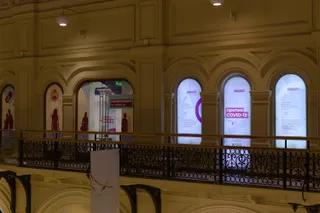 GUM
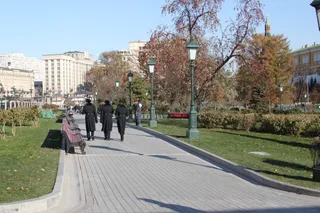 Jardim de Alexandre
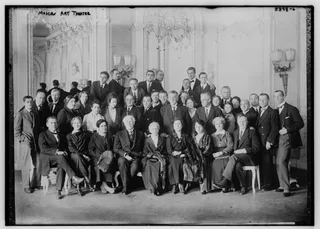 Teatro de Arte de Moscou
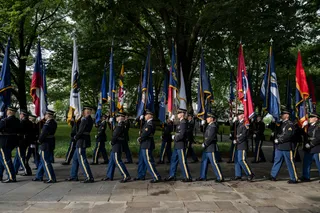 Túmulo do Soldado Desconhecido
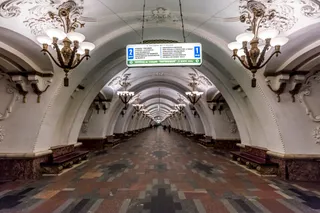 Arbatskaia
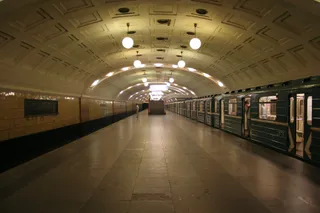 Biblioteca imeni Lenina
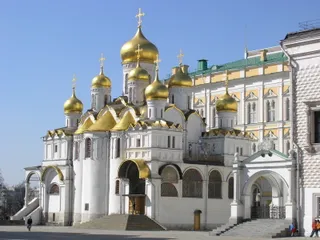 Catedral da Anunciação
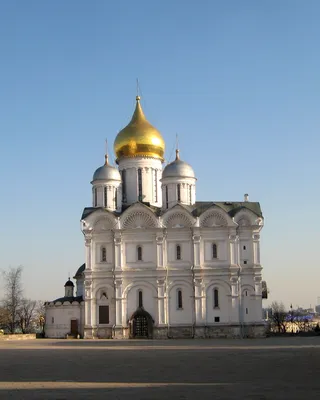 Catedral do Arcanjo São Miguel
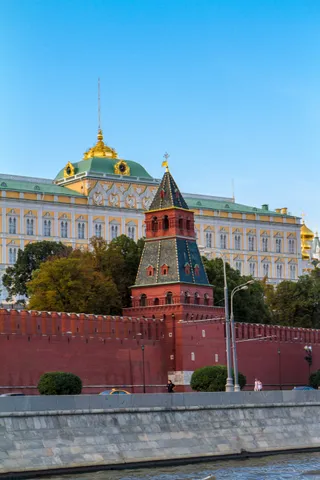 Grande Palácio do Kremlin
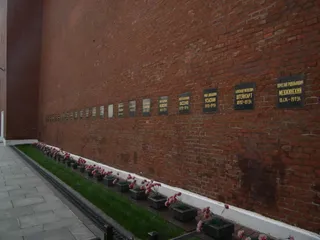 necrópole da Muralha do Kremlin
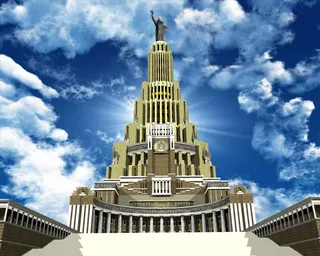 Palácio dos Sovietes
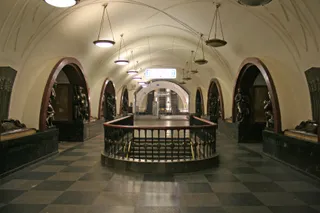 Ploshchad Revoliutsii
 Russian Institute of Theatre Arts
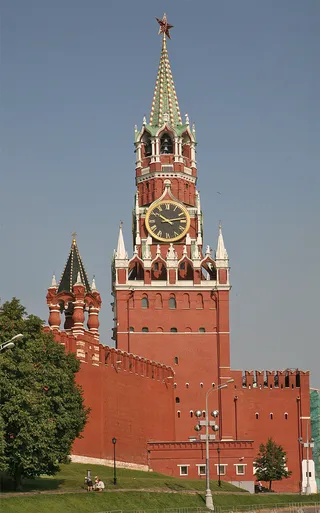 Torre do Salvador
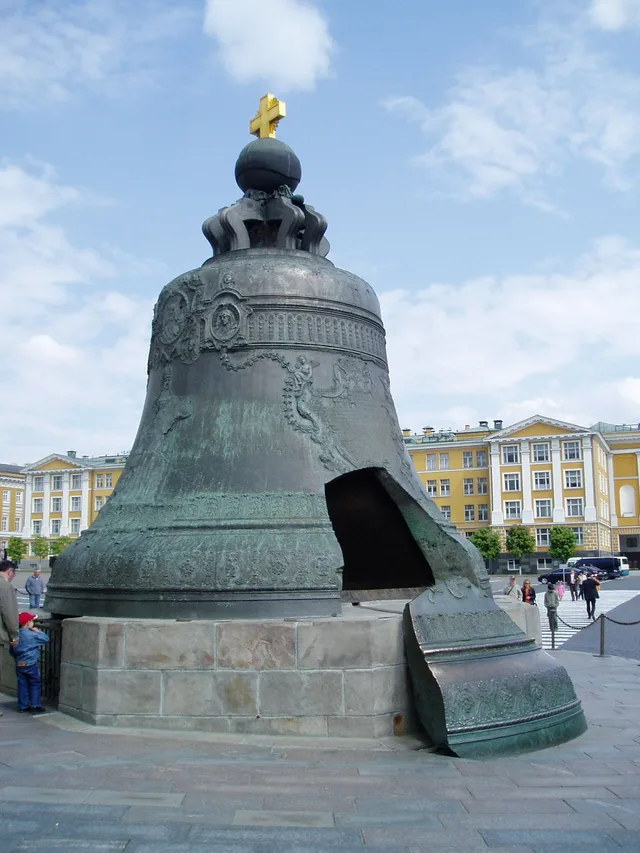
Russian bell founding announced state ceremonies and alarms rather than regular liturgies. Empress Anna Ivanovna commissioned the monument, directing local foundry masters Ivan Motorin and his son Mikhail to cast the bronze after foreign specialists declined. The alloy combined salvaged metal with added silver and gold. A Kremlin fire ignited the timber scaffolding, and cold water thrown by guards cracked the hot bronze, severing a slab.
The damaged bronze sat submerged in its pit across several generations. Invading French troops under Napoleon attempted to haul the relic away as wartime plunder but abandoned the effort because of its immense bulk. Architect Auguste de Montferrand eventually hoisted the assembly onto a granite pedestal. The hollow interior subsequently operated as a consecrated chapel, using the cracked breach as an entryway for worshippers.
≈ 5 min de distânciaKremlin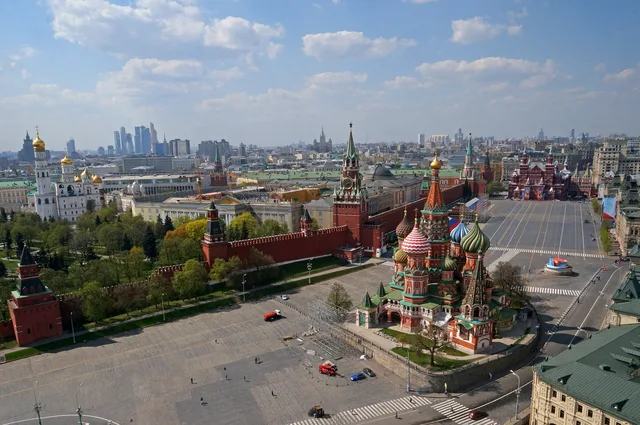 ≈ 5 min de distânciaPraça Vermelha
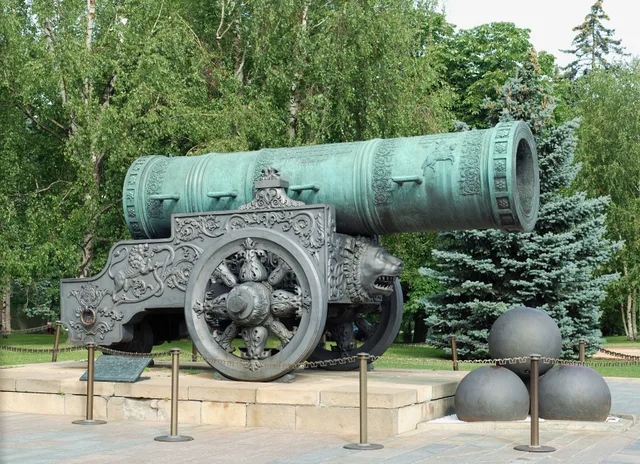 ≈ 5 min de distânciaTsar Pushka
Não encontrou o local que precisa? A pesquisa entende qualquer idioma. Abrir pesquisa