 ≈ 1 h de distânciaKremlin
- Distância
- 4,6 km
 TravelHub
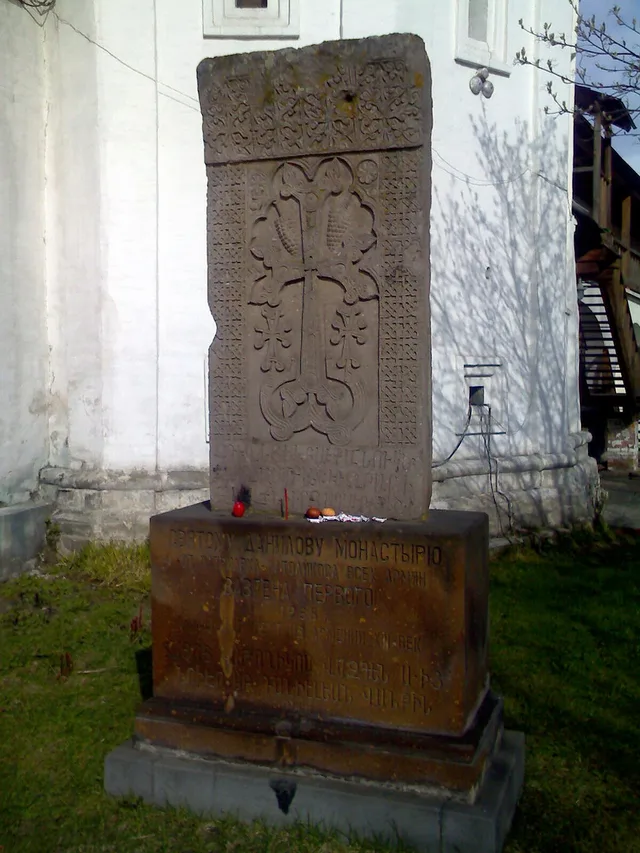
Residents living alongside the monastery complex balance daily city routines against regular bell chimes, strict security perimeters around patriarchal administrative offices, and steady streams of pilgrims passing through the gates.
Prince Daniel founded the monastic settlement before taking vows and receiving burial on the grounds. Following a period of neglect, Ivan the Terrible revived the community. Defensive brick walls and watchtowers turned the enclosure into a fortified military redoubt during invasions and civil conflicts. Monks evacuated liturgical treasures before occupying French forces plundered the site.
The necropolis once held the graves of cultural figures such as Nikolai Gogol and Nikolai Rubinstein, though Soviet officials later transferred most remains elsewhere. State authorities closed the monastery to operate an NKVD holding facility for children. Following its return to church authorities, the complex underwent reconstruction to house the official residence and working headquarters of the Patriarch and Synod.
O que os visitantes escrevem no Google Maps
A nota e as avaliações recentes do Google Maps carregam quando você pedir.
≈ 1 h de distânciaKremlin ≈ 1 h de distânciaPraça Vermelha
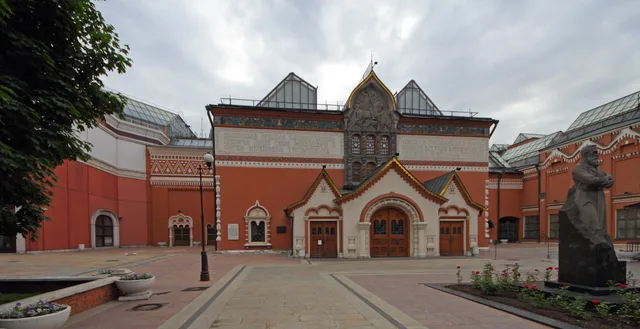 ≈ 45 min de distânciaGaleria Tretyakov
Não encontrou o local que precisa? A pesquisa entende qualquer idioma. Abrir pesquisa