 ≈ 30 min attālumāWong Tai Sin
- Mēnesis
- ≈ 2205 $
- Attālums
- 8 km
 TravelHub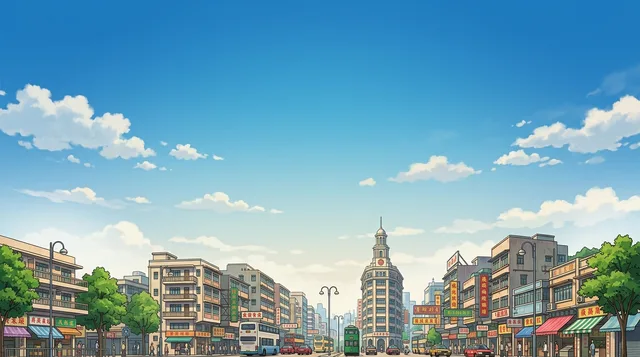
Tenants trade domestic space for the pavement, eating daily meals at neighbourhood cha chaan teng while using the railway network as an extended living room.
«唔該» — Use to express gratitude for service, call restaurant staff, or pass through crowds.
The territory divides across Hong Kong Island, Kowloon, and the New Territories along the southern Chinese coast. Lacking agricultural land, the enclave imports nearly all food supplies, relying on maritime shipping and air cargo terminals to feed its population. Daily business runs under common law with low corporate taxation.
Life concentrates along rail corridors where the Mass Transit Railway connects residential towers to commercial centres. Commuters keep to the right on escalators, tap smart cards at transit gates, and face fines for eating inside train carriages. Cantonese dominates street conversation alongside English, while commercial developers consult feng shui specialists to position buildings and avoid unlucky floor labels.
Small residential layouts turn dining rooms into outdoor routines, driving residents to eat every meal in cha chaan teng or dim sum parlours. Diners tap fingers on tables to acknowledge poured tea, leave teapot lids ajar to request refills, and rinse bowls with hot brew before eating. Fresh poultry and seafood arrive through neighbourhood wet markets, sustaining Cantonese recipes that emphasise immediate preparation.
Lidojumi, lidostas, mājokļi un īre
Šeit pagaidām nav mājokļa piedāvātāju.
Izvēlieties pasi
Norādiet savu pasi — apstrādes laiks, maksa un dokumenti atšķiras atkarībā no pases.
Hong Kong maintains an independent immigration boundary separate from mainland China. Entry clearance for the territory does not grant admission to the mainland, and travel across the border requires separate documentation. Travellers should consult the visa section and relevant consular authorities before planning cross-boundary travel.
Avots: WikivoyageThe rechargeable Octopus card functions as the standard fare payment method across the public transport network. Select railway gates, buses, and ferries also accept contactless credit cards and mobile payment applications. Consuming food or drink and smoking inside paid railway areas or carriages are prohibited.
Avots: WikivoyageCantonese is the dominant spoken language among residents in daily life. English serves as an official language and appears alongside Chinese on transport signs, station announcements, and official publications. Customer service staff at railway stations and major commercial venues generally speak English.
Avots: Wikipedia · WikivoyageDiners tap their fingers on the table surface as a gesture of gratitude when someone refills their tea. Leaving a teapot lid propped open signals that the staff should replenish the hot water. Sticking chopsticks upright into a bowl of rice is avoided due to funeral symbolism.
Avots: WikivoyageNightclubs and bars require patrons to verify legal drinking age with official government identification. Venue door staff expect an original passport or local identity card rather than photocopies. Certain establishments also enforce admission standards that forbid casual wear such as shorts.
Avots: WikivoyageEmergency callers connect to police, medical, and fire dispatchers through the dedicated emergency hotline. Callers who do not know their location can report the identification code printed on the nearest street lamppost. Dispatch operators provide assistance in English.
Avots: WikivoyageThe territory operates under strict national security legislation that criminalizes speech deemed critical of state authorities or advocating territorial separation. Displaying protest symbols, unauthorized flags, or content critical of law enforcement carries severe legal penalties. Travellers should avoid political demonstrations and expressions of dissent.
Avots: WikivoyageOficiālie ceļojumu ieteikumi un medicīniskais minimums
Lidostas, attālumi un sabiedriskais transports
Kad doties un ko paspēt vienā dienā, trijās dienās vai nedēļā
Piecas frāzes pirmajai dienai un vietas, kur bez valodas neiztikt
English holds official status alongside Chinese. Cantonese is the primary language of daily life.
| Situācija | Valoda |
|---|---|
| Transit network and rail stations | English appears on navigational signs and station broadcasts alongside Cantonese and Mandarin. Station customer service desks provide assistance in English. |
| Neighbourhood eateries and market stalls | Cantonese dominates daily trade. Menus lack English translations at informal venues. |
| Commercial nightlife zones and formal restaurants | English functions smoothly with dining and bar staff alongside Cantonese. |
| Emergency telephone lines | Dispatchers communicate in English. |
| Street encounters with police officers | Cantonese is the standard working medium. Patrol officers maintain minimal English, relying on telephone interpreters for non-Chinese speakers. |

Līdzīgs budžets un tuvu Honkonga
≈ 30 min attālumāWong Tai SinNevarat atrast vajadzīgo vietu? Meklēšana saprot jebkuru valodu. Atvērt meklēšanu