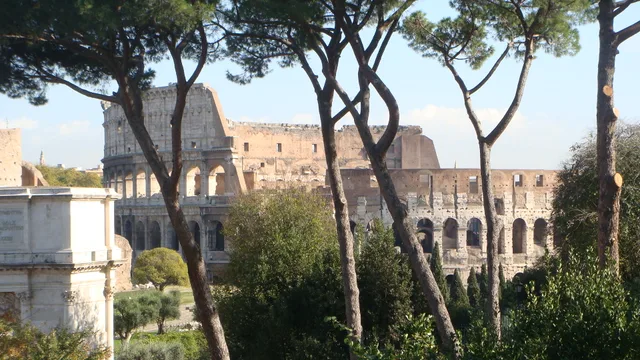
 ≈ 5 p utazásraColosseum
- Távolság
- 300 m
 TravelHub
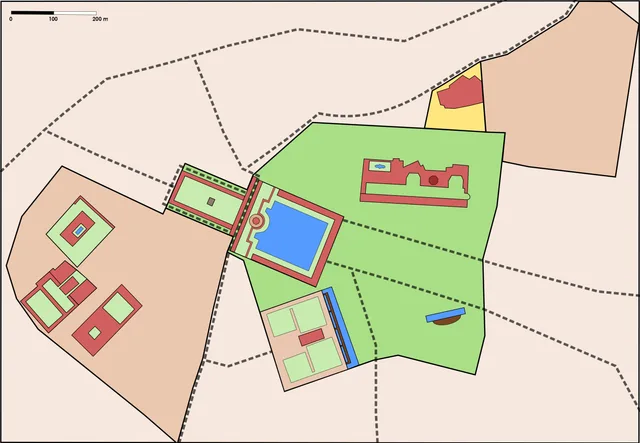
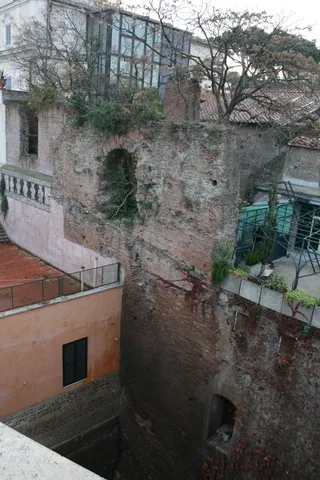
Residents around Colle Oppio walk daily across a public garden that rests directly on buried imperial vaults.
 Colosseum
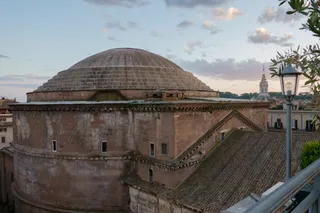 Pantheon
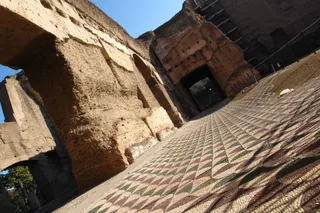 Caracalla termái
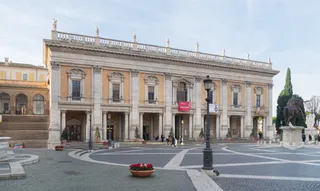 Capitoline Museums
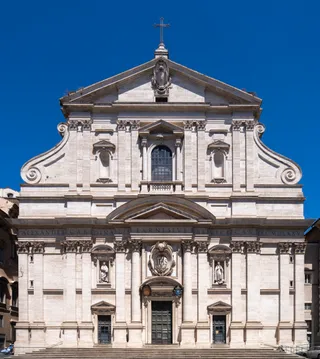 Il Gesù
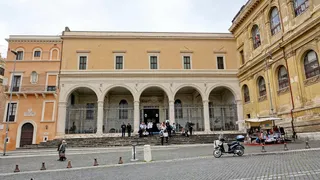 San Pietro in Vincoli-templom (Róma)-templom (Róma)
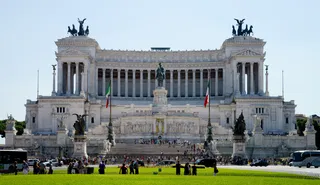 II. Viktor Emánuel emlékmű
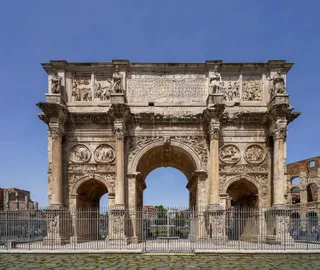 Constantinus diadalíve
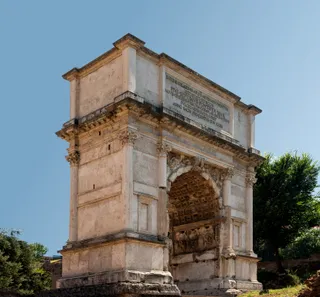 Titus diadalíve
 lateráni bazilika
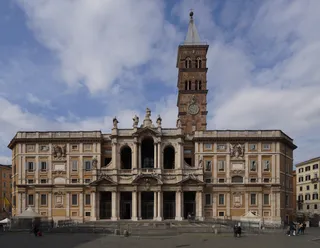 Santa Maria Maggiore-bazilika
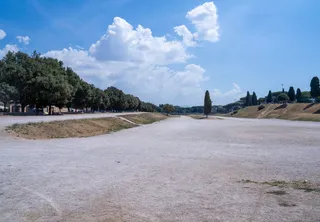 Circus Maximus
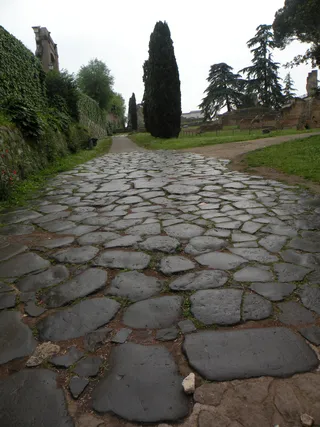 Palatinus
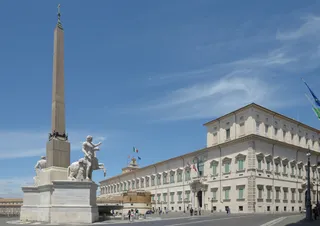 Quirinale-palota
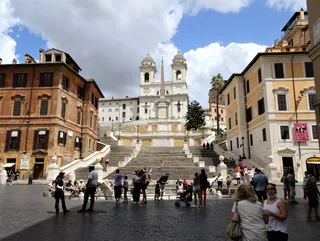 Spanyol lépcső
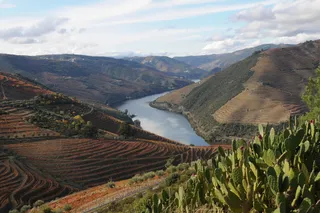 Vesta temploma
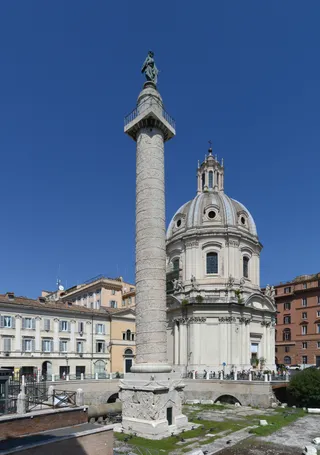 Traianus-oszlop
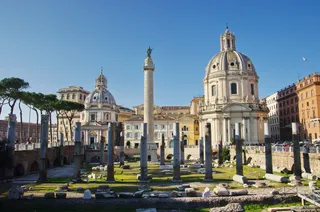 Traianus fóruma
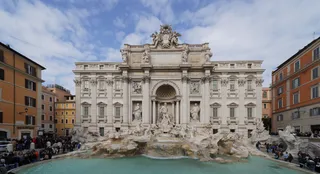 Trevi-kút
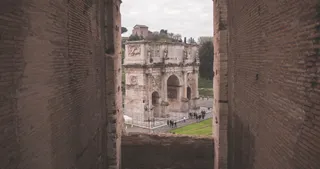 Museo Nazionale Romano
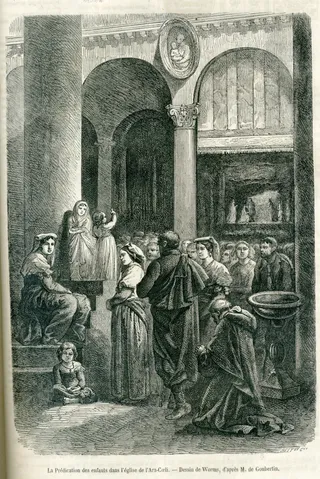 Santa Maria in Aracoeli
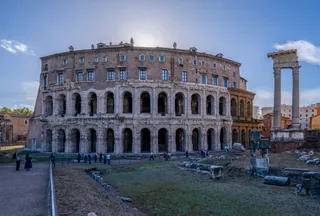 Marcellus-színház
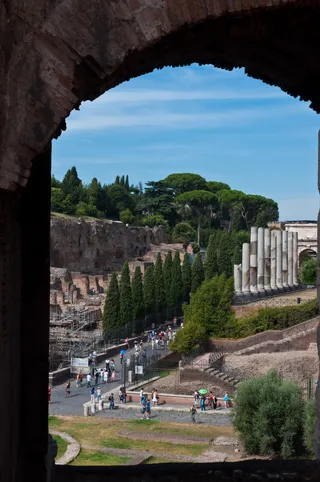 Via Sacra
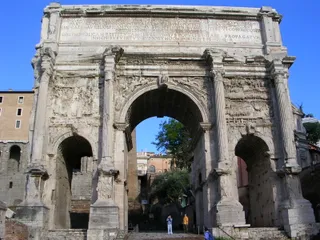 Septimius Severus diadalíve
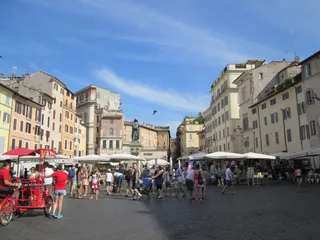 Campo de' Fiori
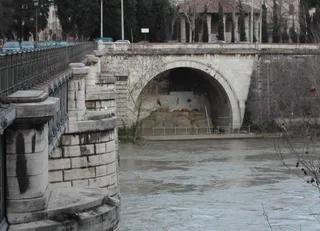 Cloaca Maxima
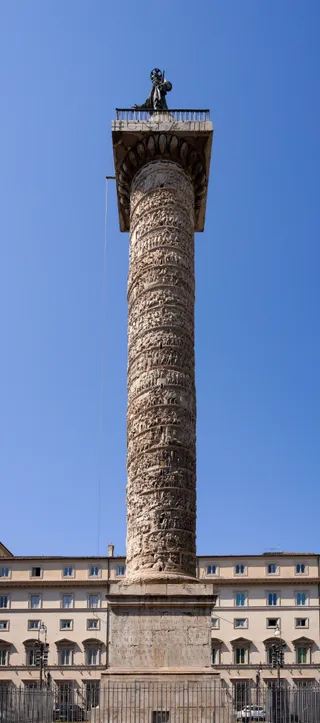 Marcus Aurelius-oszlop
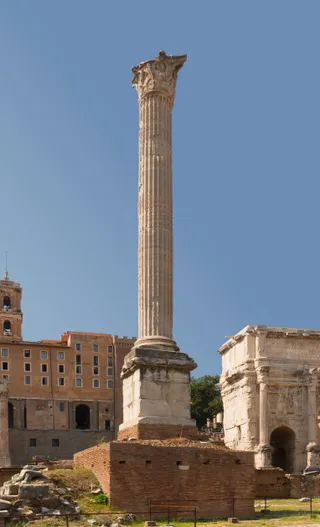 Phocas oszlopa
 Lateran Palace
 Piazza Venezia (Róma)
 Gregoriana Pápai Egyetem
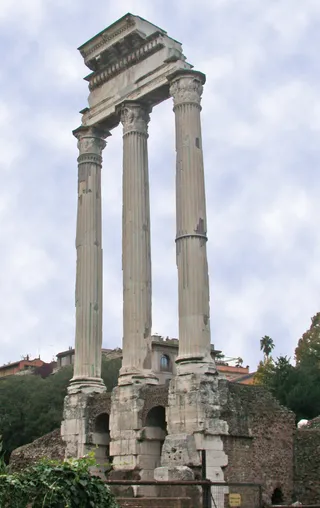 Castor és Pollux temploma
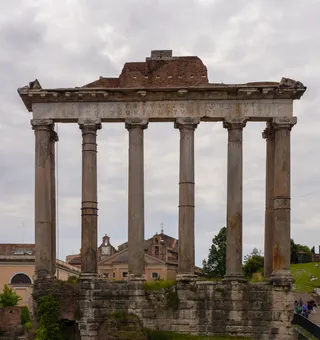 Saturnus temploma
Architects Severus and Celer designed the imperial complex across the Oppian Hill after the great fire. Nero oversaw the construction directly, ordering extensive halls and landscape grounds. Following his death, subsequent rulers stripped the marble and buried the brickwork under earth to construct the Flavian Amphitheatre and public baths. This burial unintentionally sealed the interior wall plaster against outside weathering.
Renaissance painters rediscovered the buried rooms after a passerby fell through a hillside opening into painted subterranean chambers. Artists including Raphael, Michelangelo, and Domenico Ghirlandaio had themselves lowered on ropes to copy the uncovered decorative schemes. These delicate antique motifs inspired the grotesque style across Italian decorative art, while later travelers carved their names directly into the painted plaster.
Modern exposure to outside atmosphere admitted moisture that continuously threatens the stability of the subterranean galleries. High humidity levels, rainfall infiltration, and root systems from the municipal park above place immense structural loads on the ancient vaulted masonry. Structural fractures and vault collapses have repeatedly forced prolonged site closures to allow engineering stabilization and climate controls.
Mit írnak a látogatók a Google Térképen
Az értékelés és a friss vélemények a Google Térképről kérésre töltődnek be.
≈ 5 p utazásraColosseum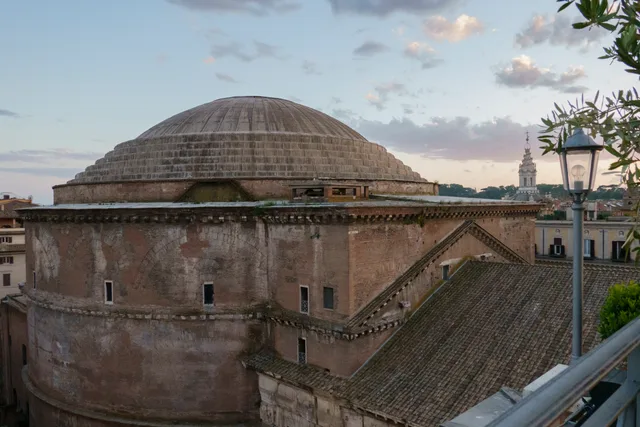 ≈ 25 p utazásraPantheon
 ≈ 45 p utazásraSixtus-kápolna
Nem találja a keresett helyet? A kereső bármilyen nyelvet megért. Keresés megnyitása