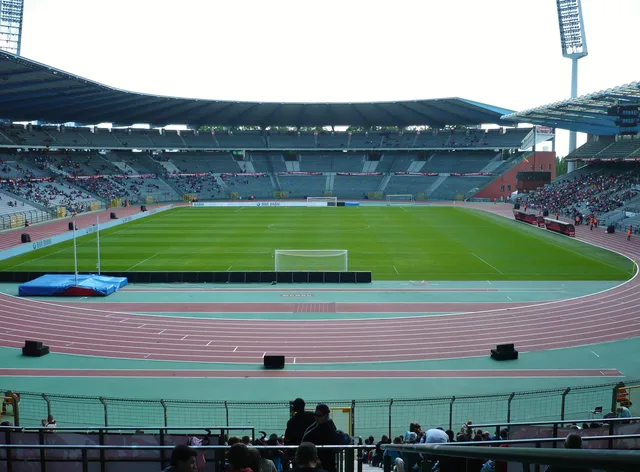
 ≈ 10 p utazásraBaldvin király Stadion
- Távolság
- 500 m
 TravelHub
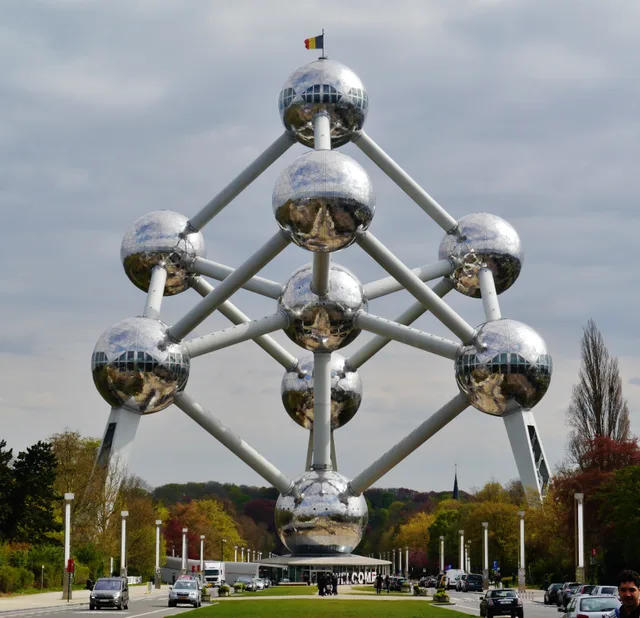
Residents around the Heysel plateau trade central urban density for open parklands beneath the modernist spheres, while managing daily commutes to central quarters via outer transit lines.
The structure originated as the modernist centrepiece for the Brussels World Fair, designed by engineer André Waterkeyn alongside architects André and Jean Polak. Conceived to celebrate scientific achievement during the atomic era, the design models an elemental iron crystal cell expanded into giant steel spheres linked by connecting tubes. Workshops from Jambes-Namur erected the framework before the exhibition opened on the Heysel plateau.
Internal access remains restricted across the installation for structural balance and visitor safety. Guests travel through diagonal connecting tubes using escalators and a central high-speed lift to reach viewing decks, while the unsupported upper spheres stay closed to foot traffic. Support columns stand under the lower outer spheres, added after wind-tunnel testing proved the original unbraced frame vulnerable to heavy Atlantic storms.
City planners intended the monument as a temporary pavilion, yet municipal authorities repeatedly delayed demolition due to sustained public interest. The site subsequently hosted international sporting competitions before undergoing a comprehensive structural overhaul by construction firms Jacques Delens and BESIX. Today the complex operates as a permanent museum and cultural venue set apart from the commercial core.
Még nincsenek ingyenes szállást kínáló házigazdák – a legközelebbi város, ahol vannak:
PárizsMit írnak a látogatók a Google Térképen
Az értékelés és a friss vélemények a Google Térképről kérésre töltődnek be.
≈ 10 p utazásraBaldvin király Stadion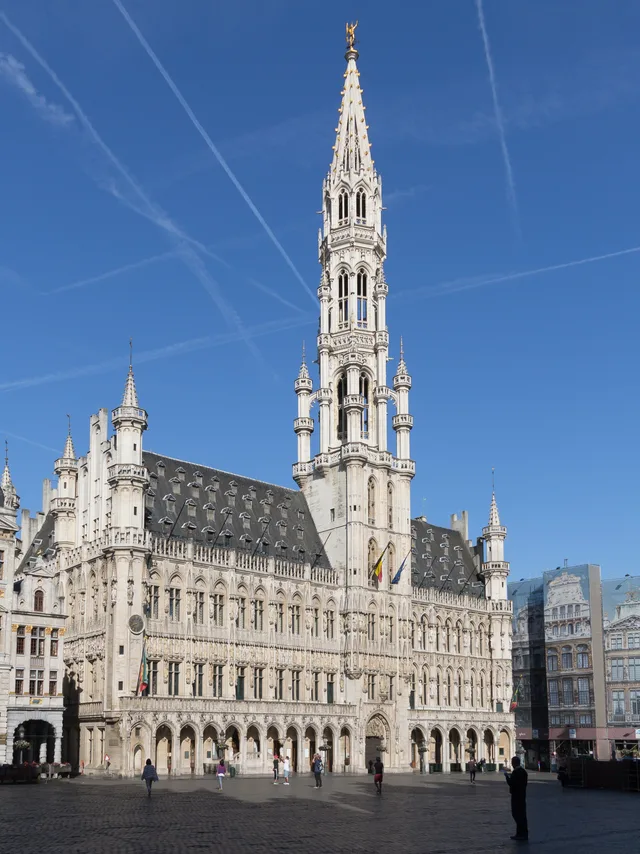 ≈ 25 p utazásrabrüsszeli városháza
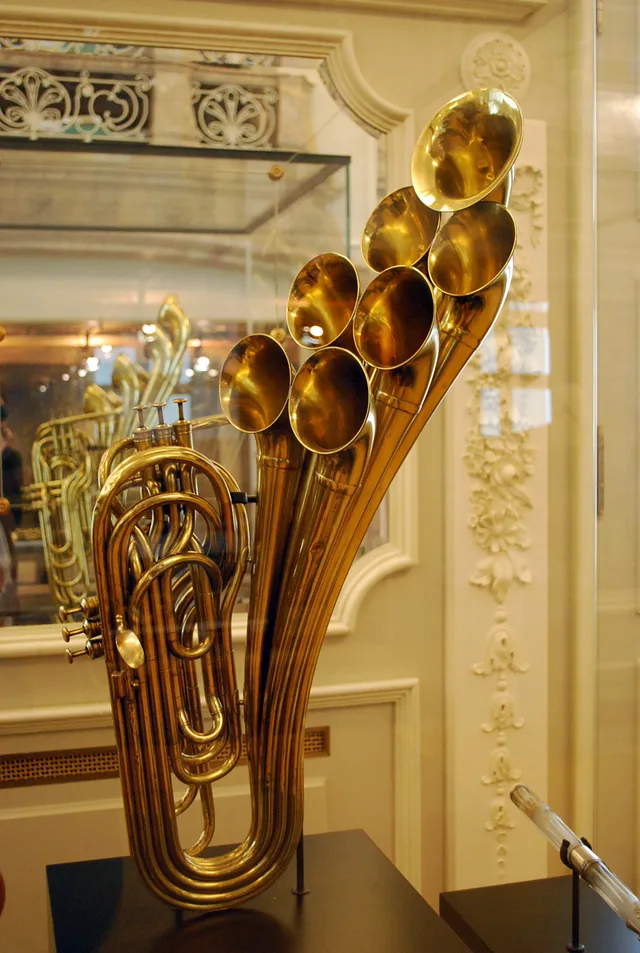 ≈ 30 p utazásraMusical Instruments Museum
Nem találja a keresett helyet? A kereső bármilyen nyelvet megért. Keresés megnyitása