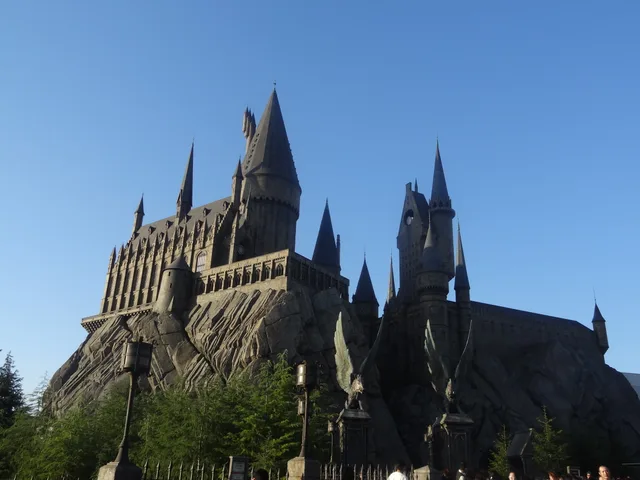
 à ≈ 40 minUniversal Studios Japan
- Distance
- 19 km
 TravelHub
Living alongside the working berths means trading residential quiet for the relentless hum of gantry cranes and freight terminals.
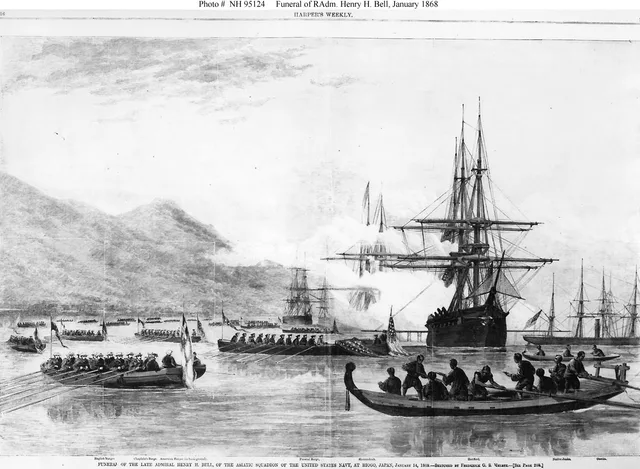
Maritime activity began when Taira no Kiyomori renovated the anchorage of Ōwada no Tomari alongside the short-lived capital of Fukuhara. Known for generations as Hyōgo no Tsu, the harbor handled domestic coastal routes until foreign warships forced entry into the bay. An international trade treaty opened the coastline to outside commerce, prompting the construction of a dedicated eastern port facility that grew into the modern harbor.
Allied forces controlled key piers during the post-war occupation before full maritime administration returned to local authorities. Containerization drove rapid expansion, turning the waterfront into one of the busiest cargo terminals across the globe. Gantry systems and specialized quays handled high volumes of international freight, establishing the harbor as a cornerstone of the broader Hanshin Industrial Region.
A catastrophic regional earthquake demolished essential infrastructure, halting terminal operations and wrecking container yards across the waterfront. Reconstruction restored the seawalls, piers, and logistics depots, yet the harbor never regained its premier international ranking. Today the docks handle domestic and Asian shipping routes, operating as an active industrial engine alongside civic redevelopment zones.
Aucun hôte proposant un logement gratuit ici pour le moment — la ville la plus proche en proposant :
OsakaCe que les visiteurs écrivent sur Google Maps
La note et les avis récents de Google Maps se chargent à la demande.
à ≈ 40 minUniversal Studios Japan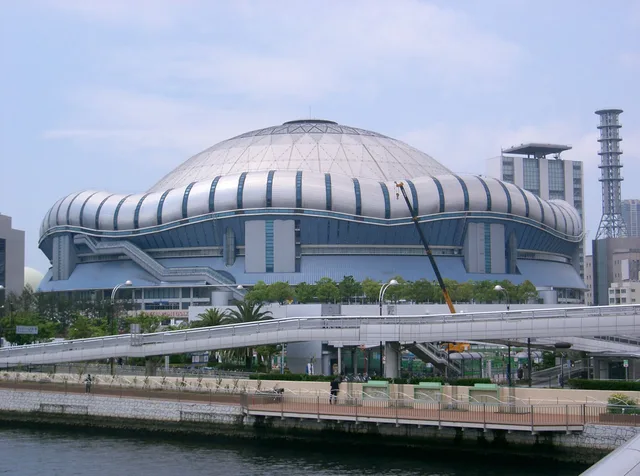 à ≈ 40 minOsaka Dome
Vous ne trouvez pas la destination souhaitée ? La recherche prend en charge toutes les langues. Ouvrir la recherche