
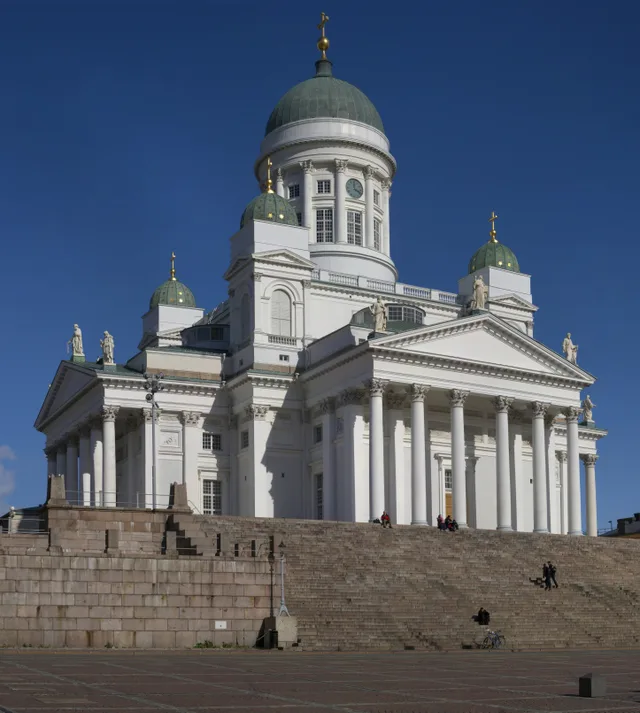
 HelsinkiHelsinki Cathedral
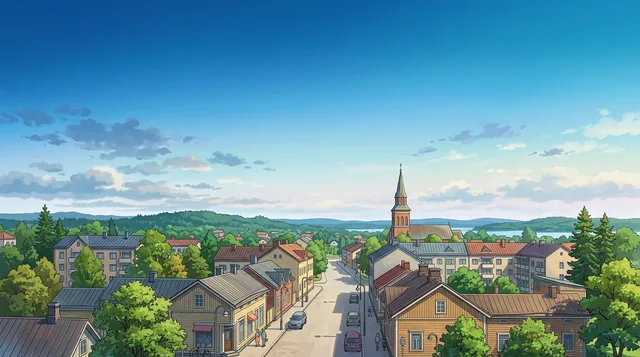
Settle
Finland: Travel guide, visas and free housing · 2026
You balance steep rents and expensive nights out by eating fixed lunch buffets and drinking safe tap water from pristine lakes.
Highlights of the country
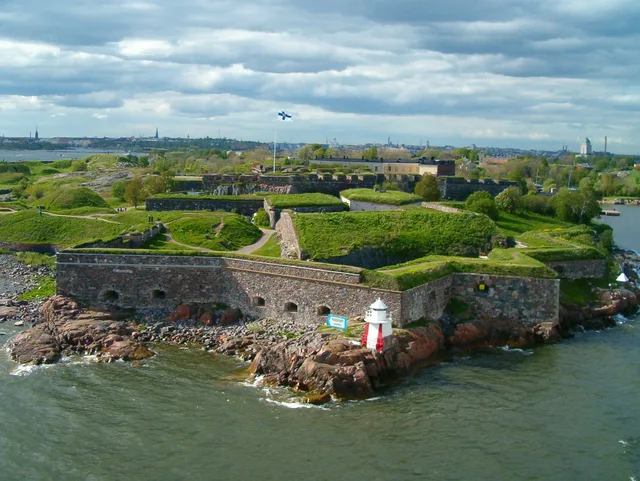
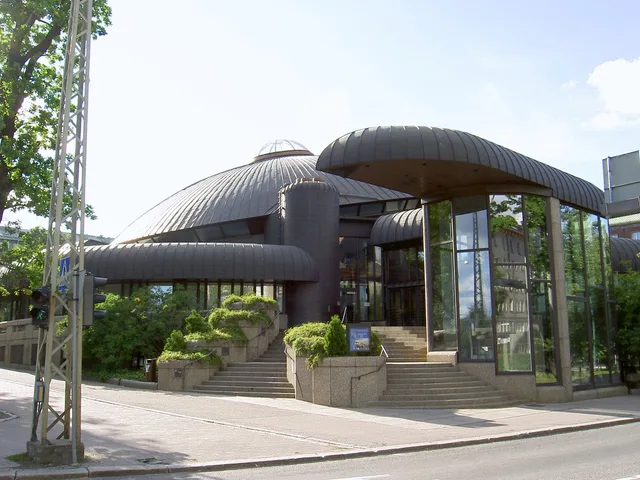
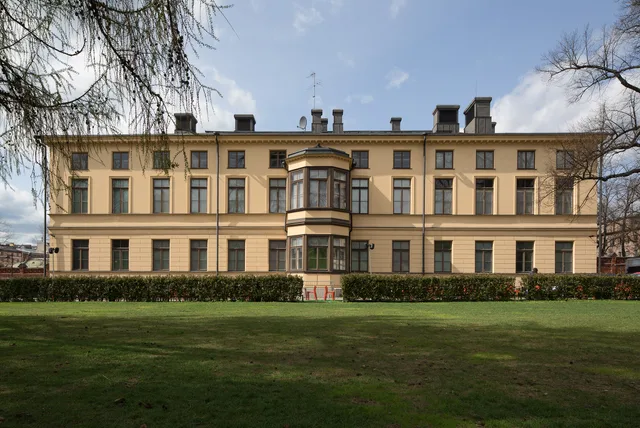
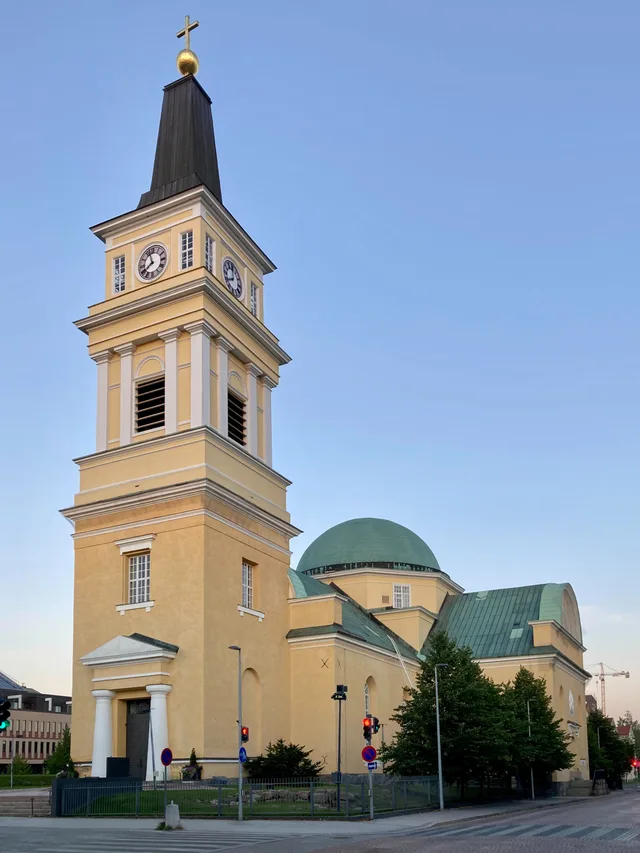
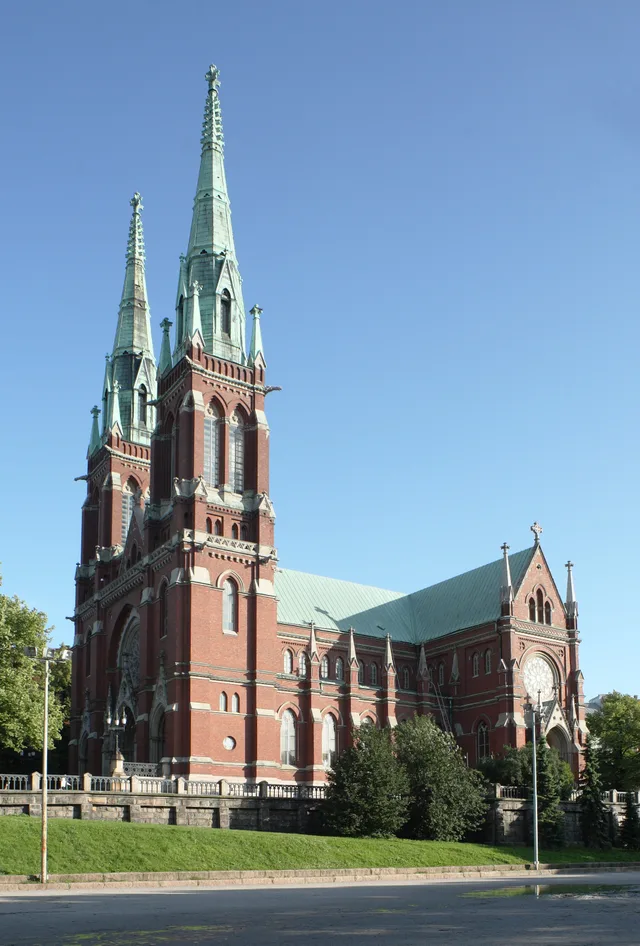
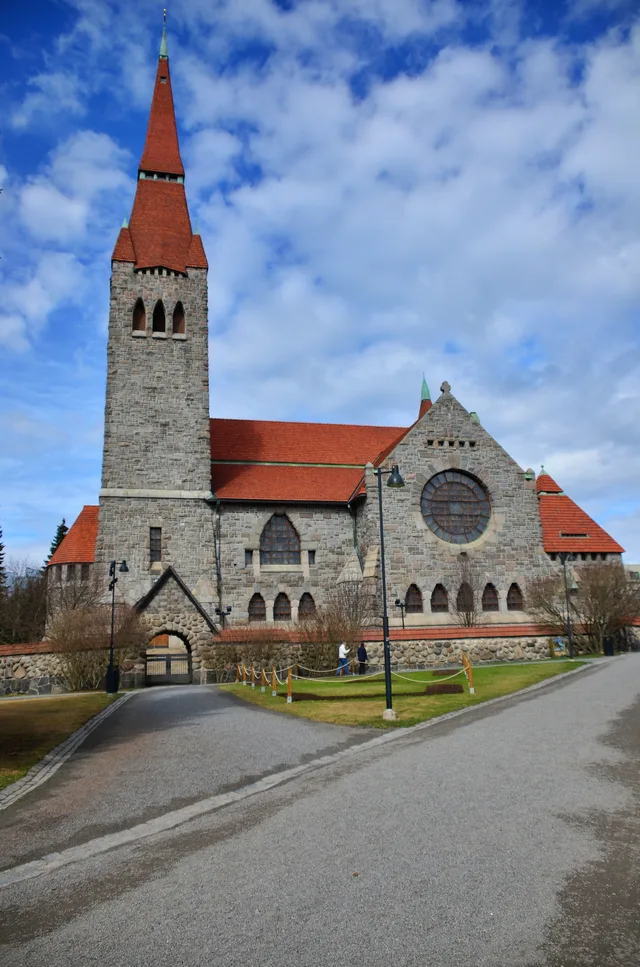
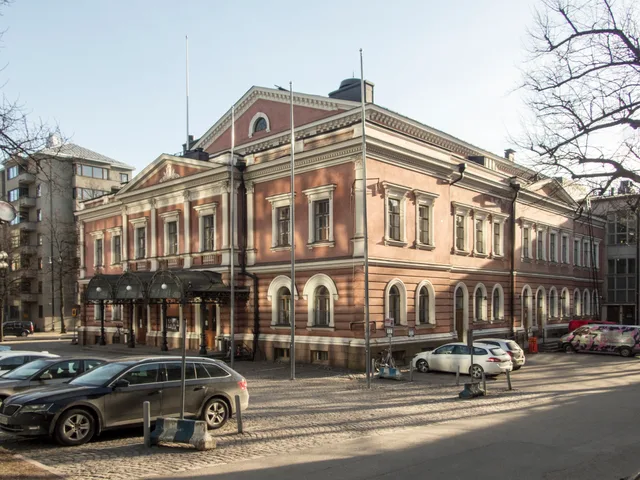
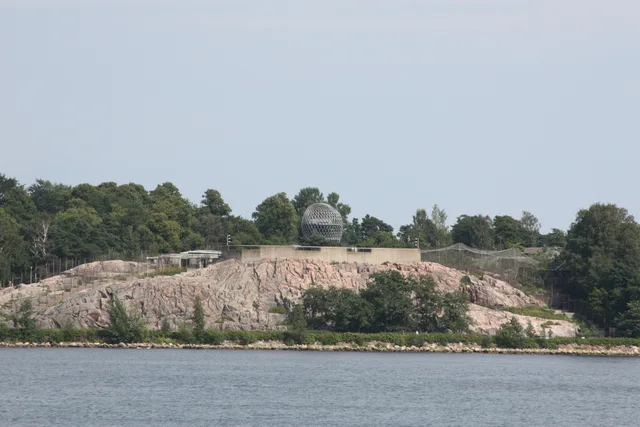
- Coffee at the counter
- €3
- Lunch at a canteen
- €10
- Dinner out
- €20
- Beer at a bar
- €7.75
- Water, 0.5 l
- €2.01
Sources: 2 · As of September 29, 2026
Source: Cost of living in Finland: complete budget guide | Work&Life Finland · Cost of Living in Finland
Cities of the country
Cities with free hosts and a known monthly budget
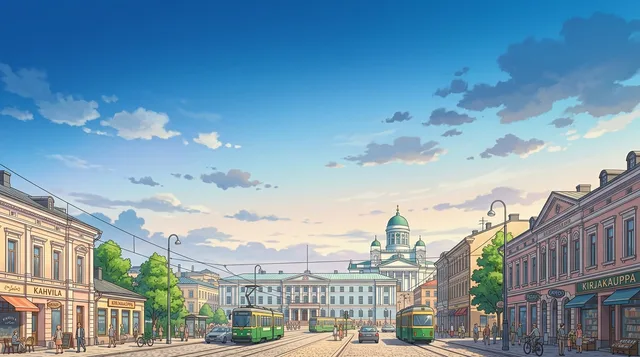 Helsinki
- Month
- ≈ €1,654
About the place
Daily life runs on functional design, dense boreal woodland, and strictly regulated retail monopolies.
Most residents live in single-person flats and rely on punctual public transit networks to commute. Municipal transit passes keep daily travel manageable, while housing deposits require multiple months of rent upfront. State systems provide universal healthcare and free schooling, sustaining high living standards across regional hubs.
Read on
Boreal timber stands supply world-class wood processing firms, while domestic iron, copper, and nickel mines anchor heavy industrial output. The service sector employs the bulk of the urban workforce, with cooperative enterprises running the largest retail chains, grocery networks, and banking institutions throughout the nation.
Biting winter chills and sub-zero nights demand insulated clothing, yet southern farmlands benefit from extended daylight during the temperate summer growing season. Everyday dining centres on hearty rye breads, dairy staples, and local lake catches, whereas strict state stores govern all retail sales of strong liquor.
Associations
- Coffee consumption
- Alko monopoly
- Boreal lakes
- Design tradition
Facts
- Helsinki generates roughly one third of the national gross domestic product.
- Strong alcoholic drinks above the supermarket threshold sell exclusively through the state retail monopoly.
- Finnish and Swedish serve as the two official languages of the state.
- Cross-border traffic along the eastern land boundary with Russia remains closed.
Source: Wikipedia · Wikivoyage · Cost of Living in Finland (2026): Helsinki and Beyond | NordicExpat · Wikidata
Finland in pictures3 photos
Money
Price examples
- Coffee
- €3
- Lunch at a canteen
- €10
- Dinner at a café
- €20
- Beer at a bar
- €7.75
- SIM card
- €9.90
- Bottle of water
- €2.01
IEC ID points
Up to 50% of exchange programmes, internships and other IEC services can be paid with points.
+300+100
Points programme rules3 sources · As of September 29, 2026
Source: Cost of living in Finland: complete budget guide | Work&Life Finland · Cost of Living in Finland · Prepaid SIM Cards in Finland Complete Guide - All Net Packages
Getting there and staying
Transit tickets
- Monthly pass
- €61.60
Step by step on arrival
- 01Pick up a prepaid SIM card at an airport kiosk or convenience store.
- 02Use tap water instead of buying packaged bottles.
- 03Purchase a local commuter ticket via the regional mobile app or a station machine before boarding.
3 sources · As of November 3, 2026
Source: TravelHub · Prepaid SIM Cards in Finland Complete Guide - All Net Packages · Cost of Living in Finland
Visa and practicalities
Choose a passport
Set your passport — processing time, fee and documents differ between passports.
Good to know
- Stepping into marked border zones near the eastern boundary or taking photographs there is prohibited and leads to arrest.
- Alcoholic beverages above moderate strength are restricted to state monopoly outlets and cannot be sold in standard supermarkets.
- Removing purchased alcoholic drinks from licensed establishments or consuming personal alcohol inside them is illegal.
Small things
- Cards
- Cash
- Tipping
- SIM card
- eSIM
- Wi-Fi
Frequently asked
Can you drink the tap water throughout the country?
Tap water is safe and potable across Finland. Visitors do not need to buy bottled water, as public supply quality is high. Notices indicate the rare exceptions where water is non-potable, such as aboard trains.
Source: WikivoyageHow does intercity passenger rail work?
State operator VR runs the national train network connecting primary hubs. Most tickets are purchased digitally, with lower fares offered for advance bookings. Unmanned stations provide automated ticket machines, and conductors generally do not sell fares on board.
Source: WikivoyageWhere can travelers purchase strong alcoholic beverages?
Supermarkets and grocery stores sell only lower-strength drinks, beers, and ciders. Spirits and beverages above eight percent alcohol by volume must be bought at the state-owned retail monopoly Alko. In addition, retail alcohol sales in grocery outlets cease during night hours.
Source: Wikivoyage · Cost of Living in Finland (2026): Helsinki and Beyond | NordicExpatWhat rules govern visa applications and entry?
Entry regulations follow standard Schengen Area protocols, but tourist entry and work or residence permits are distinct procedures. Visa applications must be completed prior to arrival through a Finnish diplomatic mission or authorized partner rather than at border posts. Detailed allowance conditions depend on citizenship, so travelers should check official entry guidance directly.
Source: WikivoyageHow do short-term mobile internet and prepaid SIM cards operate?
Major domestic telecom providers offer prepaid starter packs that do not require long-term contracts. Physical SIM cards and eSIMs are sold over the counter at convenience stores, airport kiosks, and brand outlets. These plans provide mobile data valid across national networks and include European Union roaming options.
Source: Prepaid SIM Cards in Finland Complete Guide - All Net PackagesWhat security and personal safety precautions are necessary in public?
Violent crime rates remain low, and official policing services are reliable and non-corrupt. Travelers should secure unattended personal belongings in restaurants to prevent opportunistic theft, and bicycles must always be locked. Carrying weapons or chemical sprays for self-defense is prohibited by law.
Source: Wikivoyage7 sources
Source: Wikivoyage · Wikivoyage · Wikivoyage · Cost of living in Finland: complete budget guide | Work&Life Finland · Prepaid SIM Cards in Finland Complete Guide - All Net Packages · Wikivoyage · Cost of Living in Finland (2026): Helsinki and Beyond | NordicExpat
Safety and health
Safety · official adviceour data as of Nov 3, 2026
Carrying pepper spray or weapons intended for self-defence is illegal.
Possession, consumption, and trafficking of narcotics, including cannabis, are strictly prohibited.
Purchasing sexual services from individuals subject to trafficking, minors, or persons unable to give valid consent is forbidden by law.
Source: UK FCDO Foreign Travel Advice · US Department of State Travel Advisory · Wikivoyage
People who have been here
Answers began to appear in my curious mind little by little, which brought some peace of mind. Three days later, my friend took me to the International Exchange Center office, where all my worries and fears vanished, which I was very happy about. While the memories are fresh in my mind, I decided to share what I learned after getting to know the International Exchange Center. But first things first. So, various exchange programs had been familiar to me since childhood: they were written about in English textbooks (yes, those ones with the perpetually happy faces), my school and language courses participated in experience exchanges, and private exchange agencies were promoted by linguist teachers (in my school, these were trips to countries like Germany, the UK, and Finland). However, it was scary and expensive to participate in such private programs: you are alone, in a host family, without classmates or friends, and communication with relatives in your native language was kept to a minimum. One fine day, in a critical situation, you could simply be put out on the street with your belongings. Such a prospect did not please me at all, so I always refrained from such events. Now, a completely different, modern, and effective type of international exchange has opened up to me: full informational transparency, interesting speaking clubs, and the support and help of the wonderful International Exchange Center team (for which I am very grateful to them). I was surprised that you are supervised, in fact, until the very end of the program, and most of the paperwork, which I don't like very much, is handled directly by the International Exchange Center. In a word, doubts are gone, and risks and fears have been minimized as a result of interacting with the organization. This is very helpful when participants, like me, come without experience, knowing almost nothing about exchange programs.


American adventures never end and never bore anyone. Not long after arriving there, I found a new friend. He was a Kyrgyz guy named Elzar Isaev. At first, I thought he was Kazakh, but it turned out he was Kyrgyz. It was clear that he read a lot and was well-informed, but misinformation had completely poisoned his mind. When I spoke to him in Kazakh, he would speak to me in Kyrgyz. We understood each other about 70-80 percent; if there was something we didn't understand, he would say it in Russian, and I would say it in English. After this, I became convinced that there is no significant difference between the Kazakh and Kyrgyz people. A monkey and a human also have 99 percent similarity, with only a 1 percent difference. That one percent alone cannot turn a monkey into a human. Likewise, the slight difference between the two nations will never make a Kyrgyz person a Kazakh. Kazakhs and Kyrgyz have never been under the same flag. Perhaps if they had lived under the same flag for 1-2 centuries, the difference would not have grown. Moreover, a very dangerous ideological process is currently underway in Kyrgyzstan. Kyrgyz historians and ideologues, whether for populism or state orders, seem to write whatever comes to their minds. From Elzar's words, I understood that an anti-Kazakh ideology is forming there. According to them, everyone on earth descended from the Kyrgyz. The Kyrgyz are an ancient nation and do not even belong to Turkic tribes. They claim the Kyrgyz of that time simply accepted the suzerainty of the Turks. According to Elzar, our last khan, Kenesary, came to conquer the Kyrgyz. The Kyrgyz defended their country from Kenesary and killed him for that. What kind of terrible misinformation is this?! We even argued over several topics. If such an ideology continues at the state level, the neighboring country is on the verge of zombifying its own people. This could very well lead to fascism. Some might think, what can tiny Kyrgyzstan do to us? But considering how tiny Finland, with a population of less than 5 million, put up a fierce resistance against the Soviet Union with its 140 million people, this cannot be taken lightly. Therefore, in the future, a threat to our country from the Kyrgyz is quite possible. Getting off track, I later worked with that same Elzar. One night, while returning from work in the middle of the night, we saw two girls on the street taking pictures of buildings and looking very happy. I immediately said, "Those are Kazakh girls." Elzar didn't believe it. We walked closer and it turned out they really were Kazakhs. One was Aisulu from Almaty, and the other was Anastasia Glukhareva from Kereku (Pavlodar). The girls, who work in the city of Wildwood in the neighboring state of New Jersey, used their day off to travel to Delaware. The four of us went to a 24-hour cafe near my house and sat there until dawn. After that, we decided to go to the Atlantic Ocean shore to welcome the sunrise. The sunrise over the ocean is truly uniquely beautiful. It was the first time in my life I had welcomed the sunrise. It was the dawn of July 23, 2014...


 +6

Quest 3. Housing So, for the job offer, maybe another $120 (absolute max). Next is housing. Don't even worry about this. We'll either live in cheap motels (which is more expensive and less convenient) or (which is way cooler), we'll get 4-5 (or even more) people together and rent a decent apartment so everything is chill. But that's once we arrive. For the first few days, you can stay in a hotel. As a rule, housing offered from here is significantly more expensive. Plus, you can't see it or evaluate it, so we don't stress about it here (although I've heard it's tough in some states, for example, on the Outer Banks in North Carolina, the rates are totally different and it's scarce. That's true... but it's just another reason to go to South Carolina!). In general, we'll try to find a house there for $30-50 a week. As you've gathered, we went to South Carolina with absolutely no housing lined up)) Quest 4. Tickets Right, what else. Oh, yeah, tickets. If you live in the Far East or the Urals - yeah, tickets are expensive, but you're cool for life! And if you're from Central Russia or the Northwest - well, tickets are cheaper for you). Either way, we get to Moscow and fly from there. This year, a British Airways ticket 1.5 months before departure cost about $600. Those who took the program without a ticket saved about 250 bucks if they bought them. To get deals like that, just regularly check the website www.kayak.com. For Russian airports, it's the ideal option. Change the dates and arrival points and eventually, you'll find the one that suits you best. Plus, in the spring, most companies definitely have some kind of promotion. Also, buying it yourself gives you the chance to choose the departure date. If you found a cheap ticket, but your DS-2019 is for a different date - don't be shy, go to the CMO and ask to change the date. It will take about two weeks. The service is free, as far as I remember. To buy tickets (or anything on the internet), you need a VISA card (usually classic, not electron) or a MasterCard (not Maestro). Another plus of buying online is the e-ticket. A friend who lived with us and bought a ticket from the CMO was given a paper one. To change the date, she spent 3 WEEKS calling an idiotic company (AlItalia) almost every day and still can't get back the $75 the airline accidentally charged her account. The fault here is purely the airline's, but even if we take a ticket through the CMO, it must be electronic. It's called an e-ticket. If we have the opportunity to go to Finland or Latvia, the situation improves significantly. A ticket from Finland to the USA can be bought for $150-500. Moreover, the airlines will be in the top ten in the world. We flew British Airways for $400, there were also Finnair for $500 and (as we found out later) Ryanair+British Airways for $230. Any flights from Europe are definitely a few hundred cheaper. So, if we have the chance to get to Europe, we type 'low budget airlines' into Google and search the sites to see who has what prices. Ryanair.com is an ideal option - the company is 7th in the world for safety (cooler than AirFrance, etc.). A ticket to London from Finland costs $30. From London, there were $130 tickets to New York on British Airways. If you are not from St. Petersburg - getting from here to Helsinki or Tampere (the country's 2 main airports) costs 900 rubles by bus. It's convenient, luggage is in the luggage compartment, nothing gets in the way, the trip takes 6 hours. By car, 4-5. Buses leave right from the Moskovsky railway station. That's the city center. There are always seats, unless you're very unlucky on Fridays and Saturdays. On those days, it's better to book in advance. Just type 'buses St. Petersburg Finland' into the internet and look for the one you need. From New York (or anywhere else, if it's not the final destination), you can get around by (a) planes - again, book a ticket on kayak.com and fly peacefully. Cheaper or more convenient options might be


 +2

By popular demand, here is a brief guide on importing and registering a motorcycle. 1. Buy it in the States, get the title and a bill of sale notarized by a lawyer from the seller. 2. Drop it off in NJ for shipping; I sent mine to Kotka, Finland for $300. 3. Arrange for the shipping company to send the documents to Russia (if you are already leaving), otherwise, they will hand them to you or mail them within the US 3 days after the bike is shipped. 4. Wait for the documents in Russia, or if you arrived with them, go to customs. They will give you a short list of requirements, specifically that you need to translate the documents into Russian and have them notarized. 5. Pay the customs duties they calculate for you, take all the documents, and head to Kotka. 6. Pick up the motorcycle!!! Make sure you have the title. There are tons of taxi drivers there with vans who will take it to St. Petersburg; they hang out right at the customs office. I think I paid 15,000 rubles for that. 7. Head to the customs office with the motorcycle to get the PTS (vehicle title), then register it with the traffic police (GIBDD). 8. Enjoy!

Cities of Finland
Places in Finland
Can’t find the place you need? Search understands any language. Open search