Saltar al contenido
TravelHub

Tu configuración

El idioma, la moneda y el pasaporte se guardan en este dispositivo y se aplican a todo el servicio.

Los precios se muestran en tu moneda con la fecha del tipo de cambio indicada al lado.

No elegido

Las respuestas sobre visados dependen de tu pasaporte. Esto no constituye asesoramiento legal: consulta la fuente oficial vinculada junto a cada respuesta.

Vive

Tokyo: Guía de viajes, precios y alojamiento gratuito · 2026

Tokyo punishes anyone insisting on living inside the Yamanote loop, but a resident who rents along the outer subway branches can cover basic monthly expenses with ¥150,000.

Mapa de lugares
Tu primera hora en la ciudad
Keisei Skyliner from Narita Airport
258.000 ¥
Single ticket
18.000 ¥
Tarjeta SIM local
350.000 ¥
Fuentes: 3 · A fecha de 5 de septiembre de 2026
Fuente: Narita Airport (NRT) · Top Train Passes for Travelling Around Tokyo: The Complete 2026 Guide · Best Unlimited 5G Prepaid SIM card for Japan - Sakura Mobile
Cómo moverse
Monthly pass
70.000 ¥

Riders tap prepaid IC cards across networks or buy individual tickets from automated machines.

Anclas de preciostodos los precios
Café en barra
35.000 ¥
Almuerzo en comedor
100.000 ¥
Cena fuera
180.000 ¥
Entrada a museo
380.000 ¥
Habitación por mes
≈ 19.813.158 ¥
Fuentes: 3 · A fecha de 5 de septiembre de 2026
Fuente: How Much Does Eating in Tokyo Cost? A 2026 Budget Guide ... · Is Tokyo Expensive? An Honest 2026 Cost Guide (Daily Budget) · Cost of Living in Tokyo. Sep 2026. Prices in Tokyo
Idioma en el destinofrases
Major railway junctions and airport transit lines
Directional signs and electronic displays appear in English and Japanese. Verbal exchanges with attendants require basic Japanese.
Anfitriones que hablan español
2

«これをお願いします»Use at counters, convenience stores, and restaurants while pointing at an item or menu selection.

Qué incluyeitinerarios
1 día
Meiji Jingū, Omotesandō, Shibuya, Roppongi Hills
3 días
+ Shinjuku Gyoen, Asakusa, Ueno Park, Ginza
7 días
+ Inokashira Park, Ghibli Museum, Odaiba, Akihabara
Sobre el lugar

Tokyo runs on relentless railway precision and layered neighborhood autonomy.

The Yamanote Line loop circles the central wards and dictates the rhythm of daily commutes. Residents travel through underground routes split between Tokyo Metro and Toei Subway, alongside private lines radiating toward outer suburbs. Station transfers between competing train operators require separate tickets rather than an automatic universal pass. Rail replaces private cars for everyday transit.

Seguir leyendo

Signing an apartment lease demands substantial upfront cash reserves for nonrefundable fees and security deposits. Long-term tenants balance these move-in hurdles against modest day-to-day living costs. Fresh meals from neighborhood bento vendors, standing noodle counters, and convenience stores undercut western dining budgets. Basements of train stations supply discounted grocery items as evening approaches.

Commercial hubs like Shinjuku and Shibuya concentrate nightlife and retail, while residential wards maintain quiet streets centered around local kōban stations. Public etiquette strictly governs communal spaces. Commuters silence mobile phones on trains, and street smoking is confined to designated enclosures to avoid official fines. Small police outposts provide walking directions and maintain neighborhood order.

Asociaciones
  • Yamanote LineCircular rail loop defining the boundary of central commercial districts.
  • KonbiniCorner convenience stores supplying fresh bento and affordable daily staples.
  • KōbanNeighborhood police boxes offering local street directions and lost item help.
  • Upfront rental costsApartment leases require nonrefundable contract gifts and substantial deposits.
  • Peak train crowdingMorning rush hours crush passengers into rail cars and raise harassment risks.
Datos
  • Tokyo operates two distinct underground transit systems managed by separate municipal and private corporate entities.
  • The prefecture maintains the lowest rate of private automobile ownership in Japan due to transit coverage.
  • Nigirizushi originated locally as Edo-style sushi before spreading internationally.
  • Haneda Airport handles air traffic closer to the urban center while Narita International Airport sits in neighboring Chiba Prefecture.
Fuente: Wikipedia · Wikivoyage
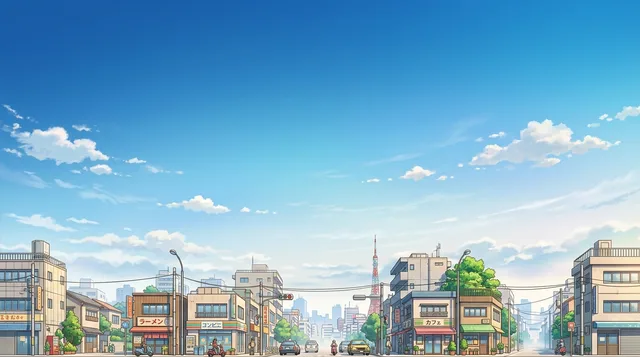
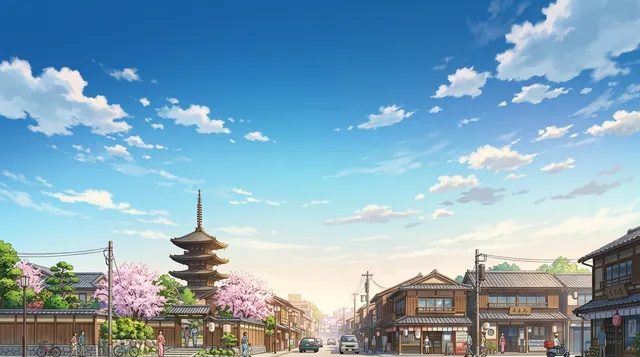
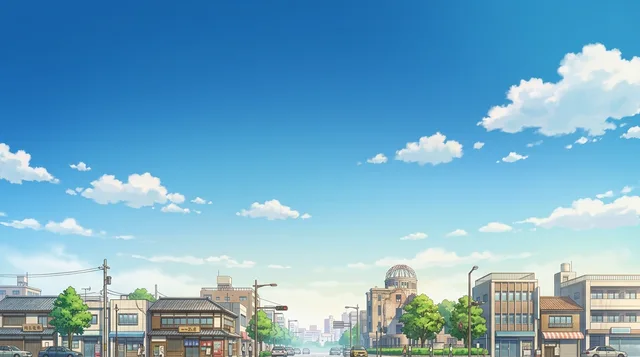
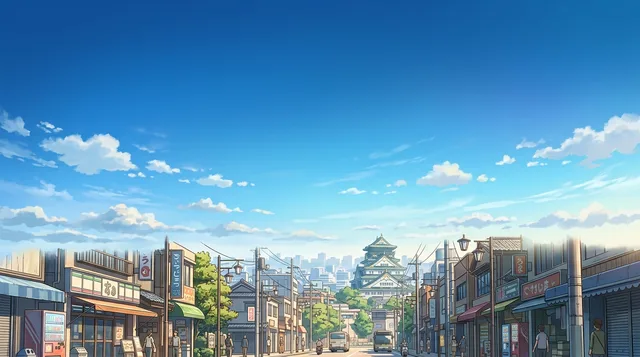
Tokyo en imágenes23 fotos
福原邦展 · cc-by-3.0 · 21 oct 2012
経済特区 · cc-by-sa-4.0 · 30 ene 2021
m-louis .® from Osaka, Japan · cc-by-sa-2.0 · 24 feb 2018
Asanagi · cc0 · 24 feb 2025

Las imágenes están vinculadas a los lugares en el mapa: cada foto tiene un autor y una licencia. Las imágenes similares de otra ciudad nunca aparecen aquí; si no hay fotos del lugar, no hay franja.

Dinero

Lo que realmente cuesta un mes y los precios de los productos cotidianos

≈ 15.000.000 ¥
Habitación en piso compartido
≈ 6.500.000 ¥
Comida, cocinar en casa
≈ 2.500.000 ¥
Abono mensual de transporte
≈ 800.000 ¥

Con un host gratuito te ahorras ≈ 8.500.000 ¥ al mes.

Ejemplos de precios
Café
35.000 ¥
Almuerzo en comedor
100.000 ¥
Cena en un café
180.000 ¥
Billete de transporte único
18.000 ¥
Entrada de museo
380.000 ¥
Habitación, al mes
19.813.158 ¥
Tarjeta SIM
350.000 ¥
Puntos de IEC ID

Hasta el 50% de programas de intercambio, prácticas y servicios del ecosistema pueden cubrirse con puntos.

+300por registrarte con IEC ID+100por iniciar sesión en TravelHub
Reglas del programa de puntos
6 fuentes · A fecha de 5 de septiembre de 2026
Fuente: Cost of Living in Tokyo (2026) — Full Monthly Budget Guide | Sumai Souba Navi · How Much Does Eating in Tokyo Cost? A 2026 Budget Guide ... · Top Train Passes for Travelling Around Tokyo: The Complete 2026 Guide · Is Tokyo Expensive? An Honest 2026 Cost Guide (Daily Budget) · Cost of Living in Tokyo. Sep 2026. Prices in Tokyo · Best Unlimited 5G Prepaid SIM card for Japan - Sakura Mobile
Comparar con Osaka

Cómo llegar y dónde quedarse

Primero lo gratis, luego lo de pago

Estancias gratuitas con anfitrionesVer anfitriones
En la ciudad94anfitriones reciben huéspedes
Habitación privada12 %el resto ofrece un sofá o un colchón
Habla inglés272 of them speak español
Perfil verificado12 %con un perfil confirmado

Idiomas del anfitrión: inglés, japonés, chino, francés y árabe · Las direcciones exactas se revelan en la conversación con el anfitrión.

Vuelo

Establece tu ciudad de salida y mostraremos los precios de los vuelos por mes desde nuestra caché.

Del aeropuerto al centro
Keisei Skyliner from Narita Airport
258.000 ¥
Excursiones
  • Kyoto3 h 40 minDirect high-speed bullet trains connect the imperial landmarks and historic temple districts to the capital.
  • Osaka3 h 40 minFrequent Shinkansen services run straight to the commercial hub renowned for street food and merchant culture.
  • Hiroshima4 h 10 minRail lines extend west to the peace memorial grounds and regional coastal heritage sites.
Paso a paso al llegar
  1. 01Buy a prepaid data SIM card at the airport terminal.
  2. 02Withdraw local currency cash at an airport terminal machine.
  3. 03Board the Keisei Skyliner train toward the city centre.
  4. 04Check into your reserved hostel dormitory.
5 fuentes · A fecha de 5 de septiembre de 2026
Fuente: TravelHub · OurAirports (public domain) · Narita Airport (NRT) · Best Unlimited 5G Prepaid SIM card for Japan - Sakura Mobile · Is Tokyo Expensive? An Honest 2026 Cost Guide (Daily Budget)

Visado y aspectos prácticos

Elegir un pasaporte

El resultado del visado se calcula para el par «pasaporte → país»: los plazos, tasas y documentos varían según el pasaporte. Elige un pasaporte y la información se mostrará aquí.

Es bueno saber
  • Speaking on mobile phones aboard trains is prohibited by local etiquette; phones must remain on silent mode.
  • Riders on escalators are expected to stand on both sides rather than walk, minimizing accidents and falls.
Cosas importantes
  • Tarjetas

    Major rail stations accept payment cards at ticket dispensers for reserved seats.

    ver más

    Many dining spots and small retail establishments reject card transactions.

  • Efectivo

    Physical currency remains essential for daily expenses.

    ver más

    Passenger transit machines primarily require bills and coins, and neighborhood dining venues frequently accept cash alone.

  • Propinas

    Staff do not receive tips, and gratuities are not customary.

Preguntas frecuentes
Do travelers need cash for everyday transactions in Tokyo?

Cash remains necessary for many transactions across Tokyo. Numerous restaurants and automated ticket machines accept only cash payment. Visitors should carry physical currency daily.

Fuente: Wikivoyage · Wikivoyage
What etiquette rules apply to Tokyo passenger trains?

Passengers keep mobile devices on silent mode and avoid voice calls while riding trains. Escalator etiquette directs riders to stand on both sides rather than walking on the steps. Rail carriages experience severe passenger overcrowding during morning and evening rush periods.

Fuente: Wikivoyage
Where can pedestrians get directions or assistance when lost?

Neighborhood police posts known as koban provide localized directions and street maps. Officers stationed at these posts assist pedestrians navigating local blocks. English comprehension among staff varies, making written destination names useful.

Fuente: Wikivoyage
Is smoking allowed on public streets in Tokyo?

Street smoking faces strict legal prohibitions across many public areas of the metropolis. Smokers must locate designated outdoor smoking enclosures or marked zones to prevent municipal fines. Authorities enforce these local regulations actively.

Fuente: Wikivoyage
Which rail routes form the core public transit network?

The circular Yamanote Line serves as the primary railway loop encircling the central districts. Underground travel within this core relies on networks operated by Tokyo Metro and the municipal Toei bureau. Multiple private suburban railways feed passenger traffic directly into this central loop.

Fuente: Wikipedia · Wikivoyage
How should visitors respond to nightlife touts in entertainment quarters?

Street solicitation by touts violates local law. Nightlife patrons should bypass street barkers in districts like Roppongi to prevent inflated covers and drink prices. Aggressive or persistent harassment should be brought to nearby police officers.

Fuente: Wikivoyage
How do Haneda and Narita airports differ for arriving passengers?

Haneda sits within the metropolitan borders and offers direct, short rail connections into central wards. Narita lies outside the metropolis in neighboring Chiba Prefecture and requires regional express rail or highway coaches to reach the core. Both facilities handle international traffic.

Fuente: Wikipedia · Wikivoyage
3 fuentes
Fuente: Wikivoyage · Wikivoyage · Is Tokyo Expensive? An Honest 2026 Cost Guide (Daily Budget)

Seguridad y salud

Consejos de viaje oficiales y mínimos médicos

Seguridad · consejos oficiales
Public outdoor smoking is banned across designated municipal districts, requiring smokers to use partitioned booths to avoid penalties.
Commercial street solicitation is illegal, and pedestrians should refuse invitations from venue touts.
Anyone traveling to Miyakejima Island must possess a gas mask because of atmospheric volcanic vapors.

Cómo llegar

Aeropuertos, distancias y transporte público

Cómo llegarOurAirports (public domain)
Tokyo Haneda International Airport HND19 km del centro
Narita International Airport NRT68 km del centro
Ibaraki Airport IBR89 km del centro
Transporte público18.000 ¥Single ticket · Riders tap prepaid IC cards across networks or buy individual tickets from automated machines.

Cuándo ir e itinerarios

Cuándo venir y qué cabe en un día, tres días y una semana

Itinerarios preparados
Western Hubs and Shrines5,5 km a pie
  1. 09:00Meiji JingūWalk through forested shrine grounds and wide gravel approaches before crowds gather.
  2. 11:30OmotesandōStroll down tree-lined shopping avenues toward architectural flagship stores.
  3. 14:00Shibuya scramble crossingObserve pedestrian waves outside the rail terminal and navigate surrounding retail streets.
  4. 17:30Roppongi Hills Mori TowerAscend to observation facilities for evening panoramas across the capital.
Parks and Western Suburbs13 km a pie
  1. 10:00Inokashira ParkExplore walking paths encircling the central pond.
  2. 13:00Ghibli MuseumTour dedicated animation exhibits requiring advance ticket reservations.
  3. 16:00Shinjuku GyoenWalk across traditional landscape gardens framed by high-rise towers.
Modern Landmarks and Architecture2,3 km a pie
  1. 10:00Akasaka PalaceView neo-baroque state guest house architecture from main perimeter gates.
  2. 13:30National Art Center, TokyoEnter atrium spaces and changing exhibitions designed by Kisho Kurokawa.
  3. 16:30Roppongi HillsBrowse public outdoor art installations and commercial complexes.

Idioma y cultura

Frases que cambian el precio y el tono, y donde no puedes prescindir del idioma

Transit signs and automated station announcements are bilingual in Japanese and English, allowing smooth navigation across rail corridors. Spoken English proficiency is rare among station personnel, neighborhood police officers, and staff at local eateries.

Cinco frases que realmente necesitas
  • これをお願いしますKore o onegaishimasu
    This, pleaseUse at counters, convenience stores, and restaurants while pointing at an item or menu selection.
  • お会計をお願いしますOkaikei o onegaishimasu
    The check, pleaseUse at dining tables or counters when finishing a meal.
  • 英語を話せますかEigo o hanasemasu ka
    Do you speak English?Use as a polite opening inquiry before presenting complex questions to staff.
  • 助けてくださいTasukete kudasai
    Please help meUse during emergencies or urgent situations requiring immediate intervention.
  • おすすめは何ですかOsusume wa nan desu ka
    What do you recommend?Use at diners, bakeries, or izakaya to request the house specialty.
2 frases más
  • 定食にしてくださいTeishoku ni shite kudasai
    Please make it a set mealUse at lunchtime counters to receive side dishes, rice, and soup with an order.
  • すみませんSumimasen
    Excuse meUse to call servers, apologize when passing through crowded spaces, or show gratitude.
Dónde necesitarás el idioma
SituaciónIdioma
Major railway junctions and airport transit linesDirectional signs and electronic displays appear in English and Japanese. Verbal exchanges with attendants require basic Japanese.
Local police boxes (koban)Japanese. Officers at local posts generally do not communicate in English.
International bars and expat pubs in Roppongi and ShibuyaEnglish is widely used by staff and patrons for orders and conversation.
Casual restaurants, ramen counters, and izakayaJapanese. Guests order via picture menus, ticket dispensing machines, or touchscreens.
Ward offices and residential leasing agenciesJapanese. Paperwork, residence registration, and lease negotiations proceed entirely in Japanese.
Convenience stores and neighborhood supermarketsJapanese for standard staff queries, though self-service registers and non-verbal transactions are common.
Algunos enlaces son de afiliados y están marcados como tales.