 A ≈ 5 min de distanciaPinacoteca Antigua de Múnich
- Distancia
- 400 m
 TravelHub
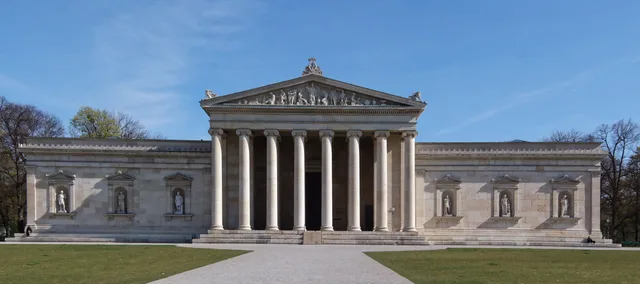
Scholars based around Kunstareal trade quiet residential routine for the echoing halls of Königsplatz, using the sculpture galleries as an afternoon retreat between university archives.
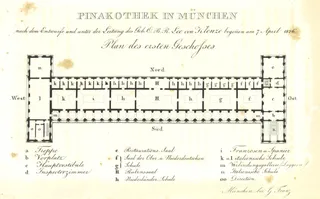 Pinacoteca Antigua de Múnich
 Catedral de Nuestra Señora de Múnich
 Haus der Kunst
 Lenbachhaus
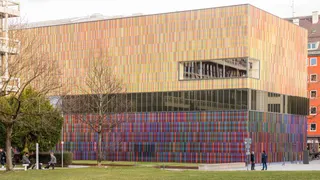 Museo Brandhorst
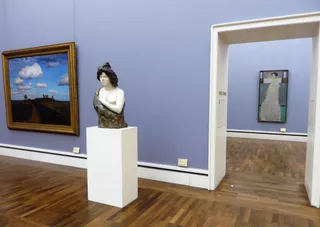 Neue Pinakothek
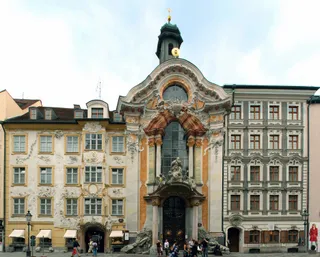 Asamkirche
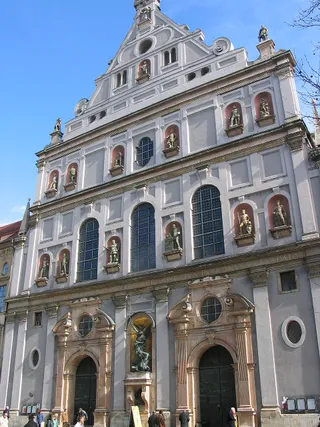 iglesia de San Miguel
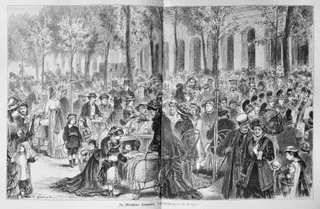 Hofgarten
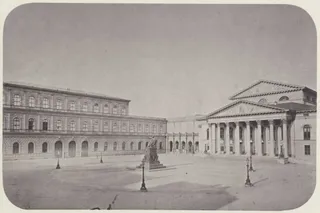 Teatro Nacional de Múnich
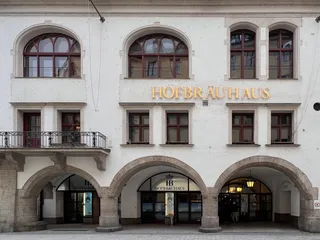 Hofbräuhaus am Platzl
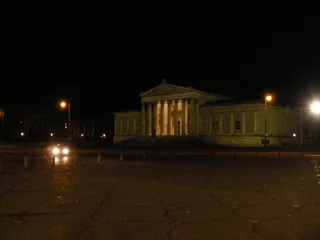 Königsplatz
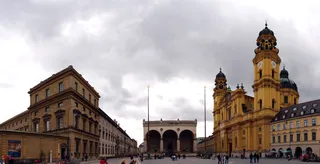 Odeonsplatz
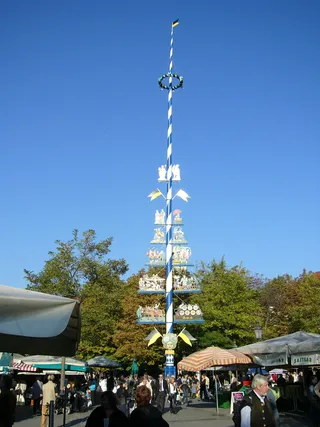 Viktualienmarkt
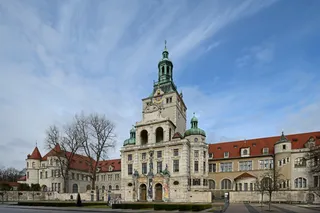 Museo Nacional Bávaro
 Casa Parda
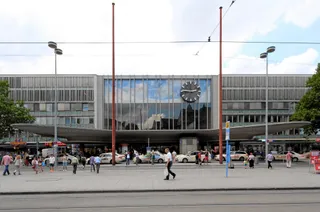 Estación central de Múnich
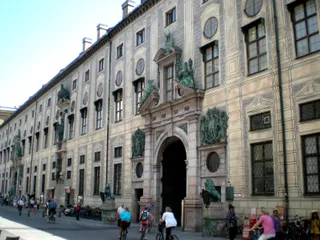 Residencia de Múnich
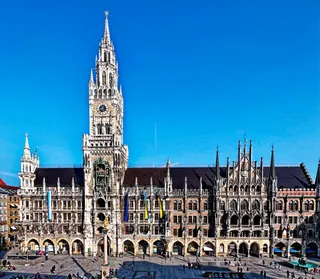 Nuevo Ayuntamiento
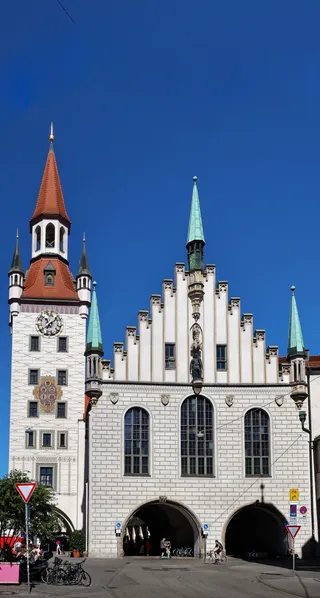 Antiguo Ayuntamiento de Múnich
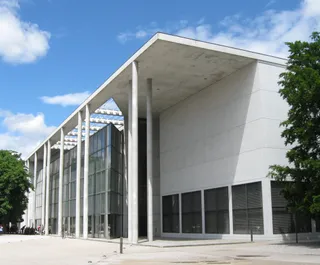 Pinakothek der Moderne
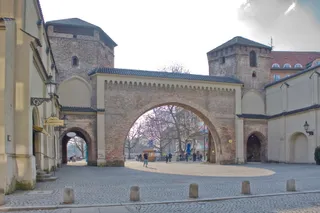 Sendlinger Tor
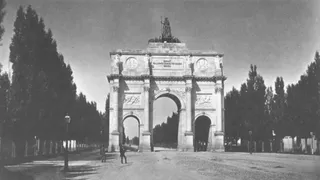 Siegestor
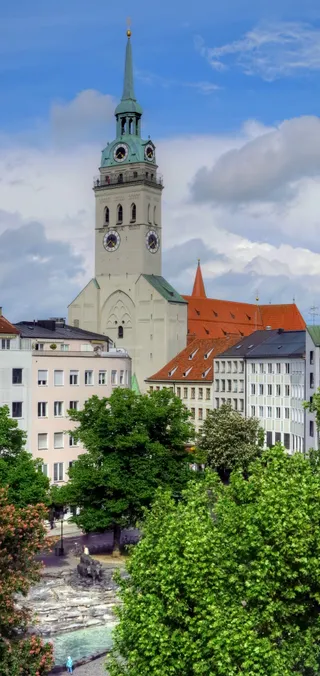 St. Peter's Church, Munich
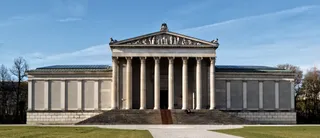 Staatliche Antikensammlungen
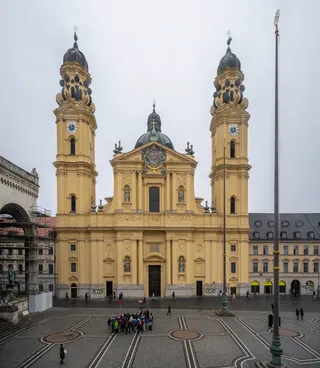 Theatinerkirche
 Theresienwiese
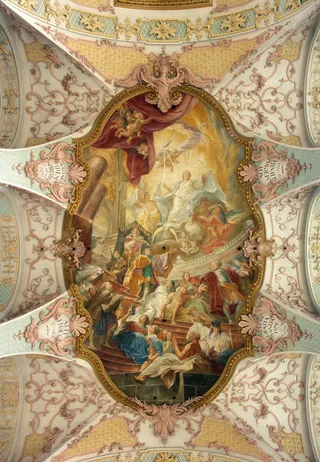 Heilig Geist
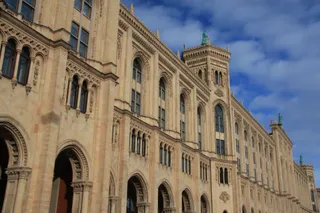 Museum Five Continents
 Talburgtor
 Heiliggeiststraße 6
 Orlando-Haus
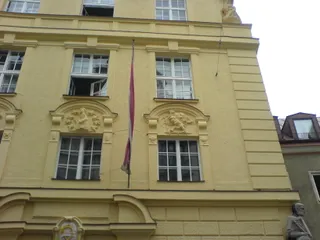 Zerwirkgewölbe
Crown Prince Ludwig conceived the gallery as an architectural anchor for a northern cultural forum, setting it opposite royal parade grounds outside the old city fortifications. Architect Leo von Klenze shaped the neoclassical facade to display Greek and Roman marble statues, creating an unadorned stone backdrop intended to rival antique sanctuaries. The building remains the oldest public museum founded in the Bavarian capital.
Bavarian agents acquired celebrated antiquities across the Mediterranean, bringing the Barberini Faun, the Medusa Rondanini, and temple figures from Aegina into royal ownership. While the sculptures survived wartime destruction, bombing obliterated the elaborate interior frescoes executed by Peter von Cornelius. Postwar reconstruction left bare plastered brickwork on view, replacing painted surfaces with stark vaulted halls.
Long-term residents often overlook that the central courtyard once held a dedicated hall for Near Eastern antiquities. After wartime damage prompted architectural reorganizations, Assyrian palace reliefs and a glazed lion from Babylon transferred to the neighbouring Egyptian collection. Today the restored building functions within the dense Kunstareal district, anchoring museum life around Königsplatz.
Lo que escriben los visitantes en Google Maps
La valoración y las reseñas recientes de Google Maps se cargan a petición.
¿No encuentras el lugar que necesitas? La búsqueda entiende cualquier idioma. Abrir búsqueda