 ≈ 20 λ. μακριάΜουσείο του Λούβρου
- Απόσταση
- 1,6 χλμ.
 TravelHub
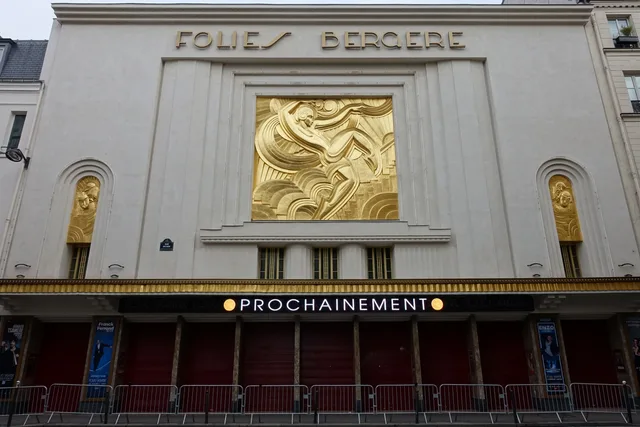
Residents around Rue Richer share narrow sidewalks with nightly theatre crowds, trading quiet evenings for immediate access to historic music hall stages.
 Μουσείο του Λούβρου
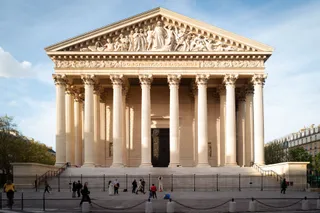 Εκκλησία της Μαντλέν
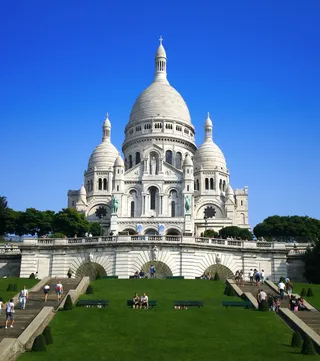 Βασιλική της Σακρέ-Κερ της Μονμάρτρης
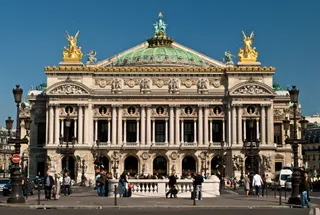 Όπερα Γκαρνιέ
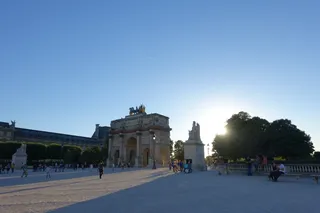 Αψίδα του Θριάμβου του Καρουζέλ
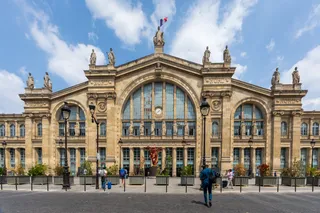 Γκαρ ντυ Νορ
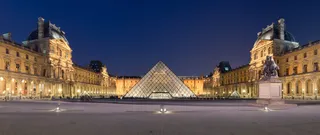 Πυραμίδα Λούβρου
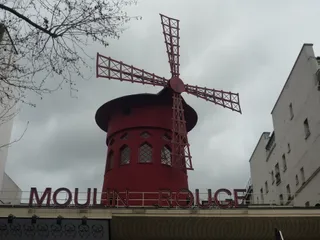 Μουλέν Ρουζ
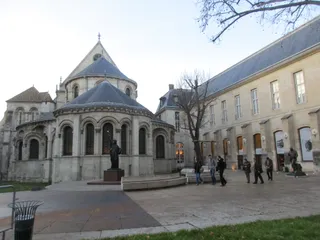 Μουσείο Τεχνών και Επιτηδευμάτων
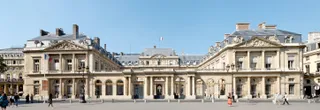 Παλαί Ρουαγιάλ
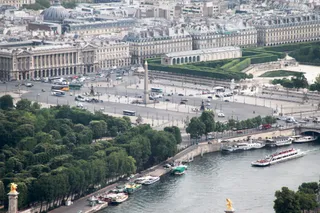 Πλατεία Κονκόρντ
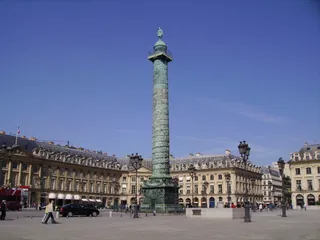 Πλατεία Βαντόμ
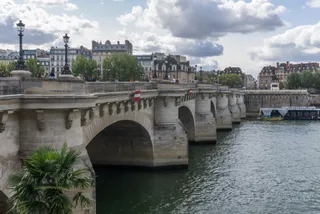 Πον Νεφ
 Παλάτι του Κεραμεικού
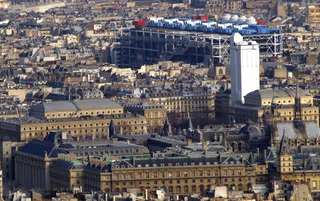 Εθνικό Μουσείο Μοντέρνας Τέχνης
Architect Plumeret modelled the auditorium on the Alhambra music hall in London, originally staging light operettas and acrobatic gymnastics on Rue Richer. The venue adopted its permanent name from Rue Bergère following objections from the Duc de Trévise. Under Édouard Marchand, the hall pioneered the Parisian music-hall revue format, placing female choruses and theatrical spectacles at the center of the production.
The theatre gained international prominence when Paul Derval introduced extravagant stage effects and prominent solo performers. Derval helped launch the careers of Maurice Chevalier, Mistinguett, and Fernandel, while American dancer Josephine Baker headlined iconic productions like La Folie du jour. Artist Maurice Pico gave the exterior its Art Deco facade, which still defines the streetscape along Rue Richer.
Édouard Manet captured the social atmosphere of the hall in his painting of the promenade bar, immortalizing its role in Parisian nightlife. Contemporary management later transitioned the auditorium toward musical productions, hosting shows such as Cabaret and Zorro. For long-term residents, the theatre means persistent foot traffic and late-night loading noise that clash with the narrow residential side streets.
Τι γράφουν οι επισκέπτες στους Χάρτες Google
Η βαθμολογία και οι πρόσφατες κριτικές από τους Χάρτες Google φορτώνουν κατόπιν αιτήματος.
≈ 20 λ. μακριάΜουσείο του Λούβρου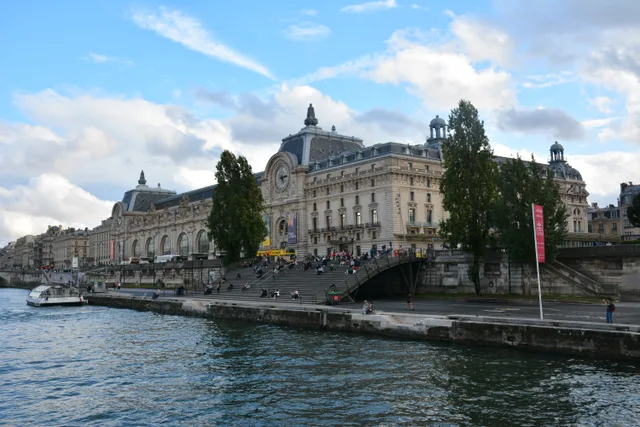 ≈ 30 λ. μακριάΜουσείο Ορσέ
Δεν βρίσκετε το μέρος που ψάχνετε; Η αναζήτηση κατανοεί οποιαδήποτε γλώσσα. Άνοιγμα αναζήτησης