 ≈ 10 Min. entferntGehinnom
- Entfernung
- 800 m
 TravelHub
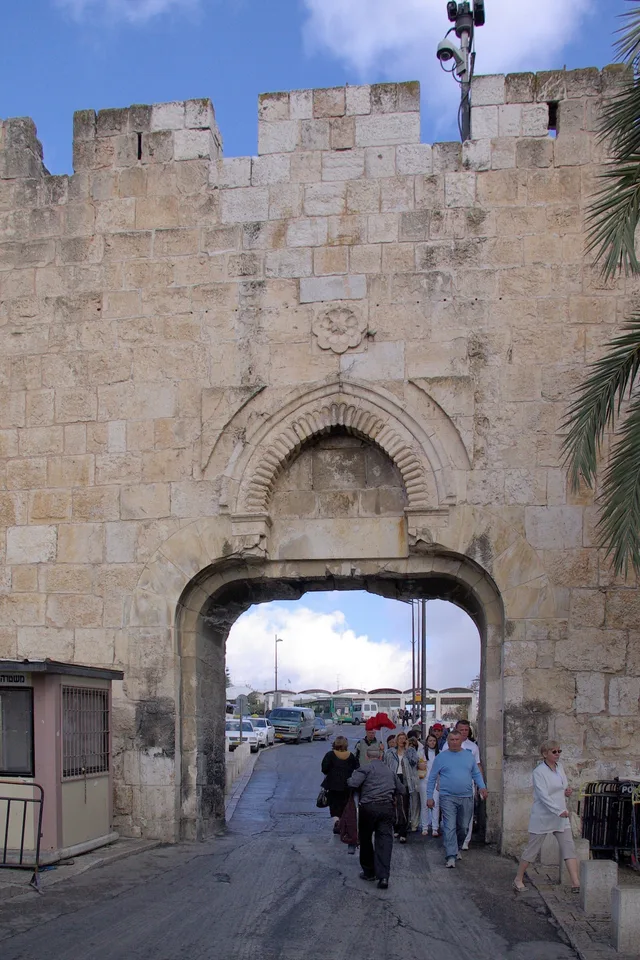
Residents commuting through the southern wall plan their mornings around the steady stream of shuttle buses and delivery vans bottlenecking at Dung Gate on their way out of the Old City.
 Al-Aqsa-Moschee
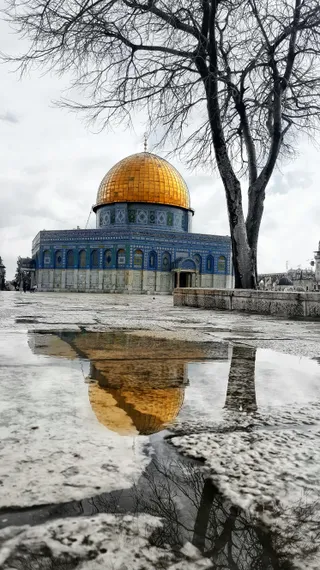 Felsendom
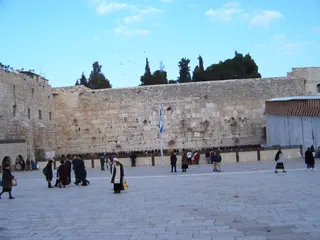 Westmauer
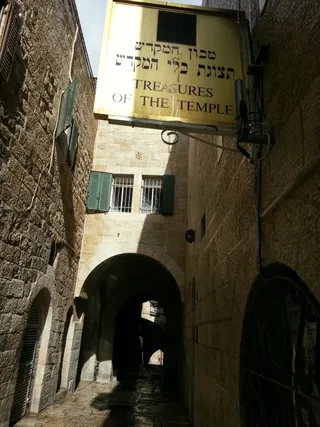 Tempel-Institut
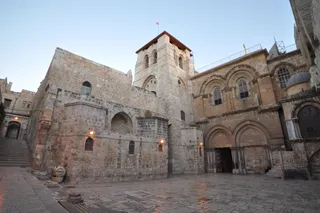 Grabeskirche
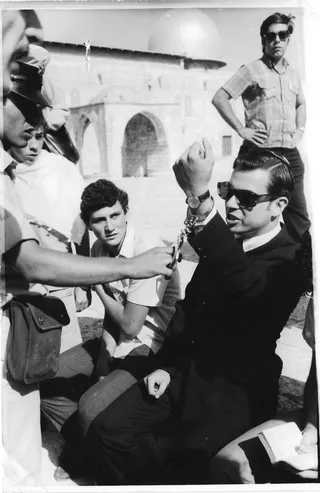 Tempelberg
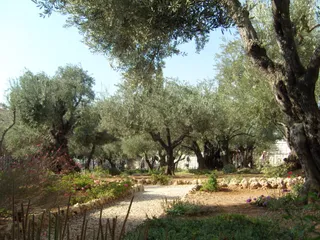 Getsemani
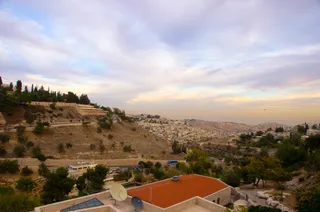 Gehinnom
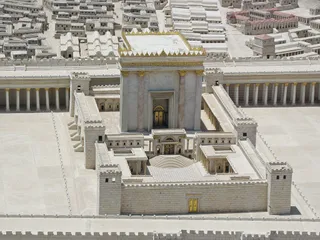 Herodianischer Tempel
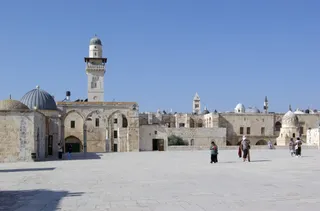 Jerusalemer Tempel
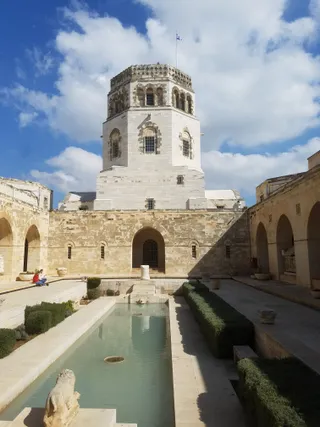 Rockefeller-Museum
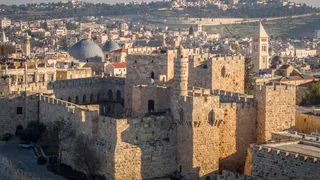 Davidszitadelle
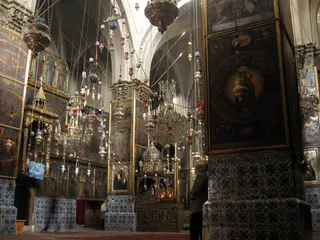 Jakobuskirche
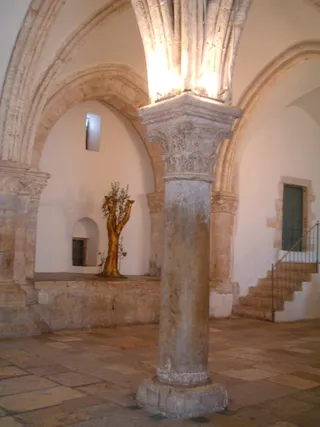 Abendmahlssaal
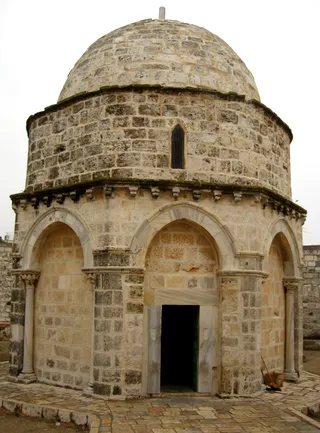 Himmelfahrtskapelle
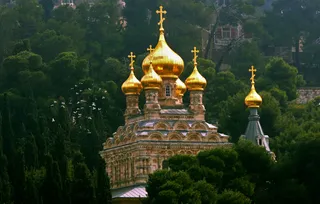 Maria-Magdalena-Kirche
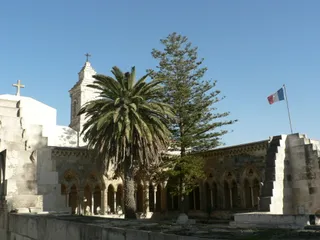 Paternosterkirche
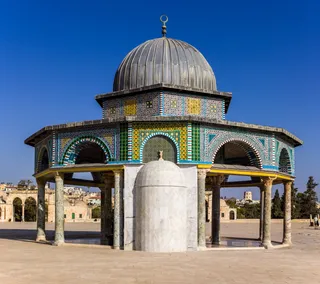 Dome of the Chain
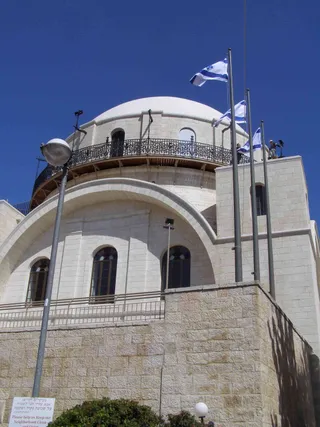 Hurva-Synagoge
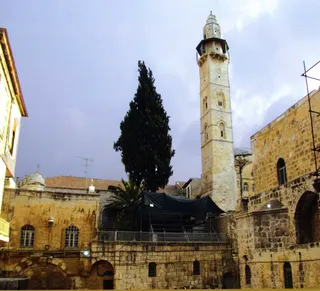 Omar-Moschee
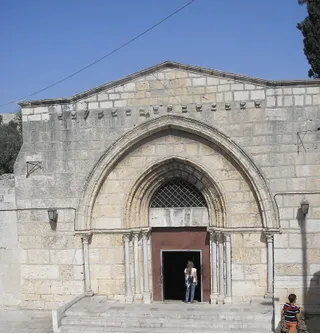 Mariengrab
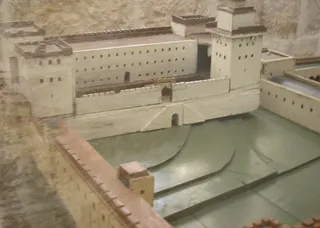 Burg Antonia
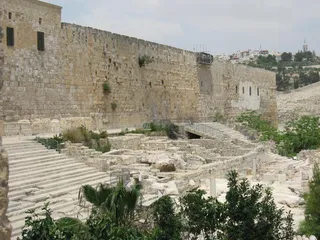 Acra
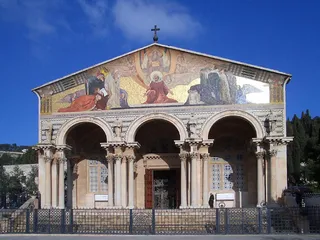 Kirche aller Nationen
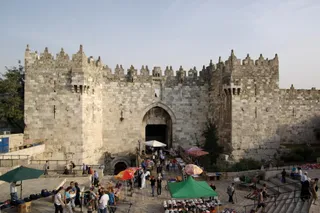 Damaskustor
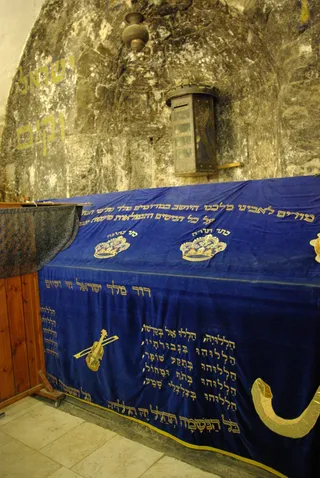 Davidsgrab
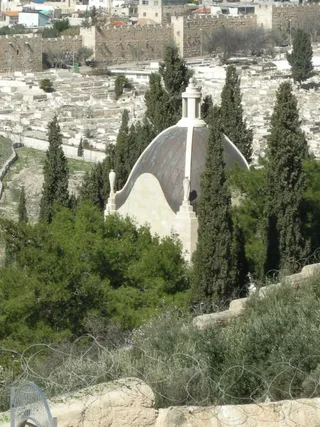 Dominus Flevit Kirche
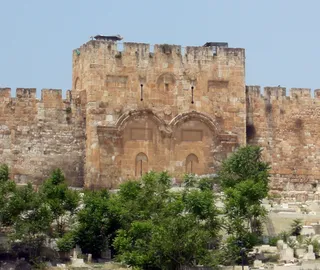 Goldenes Tor
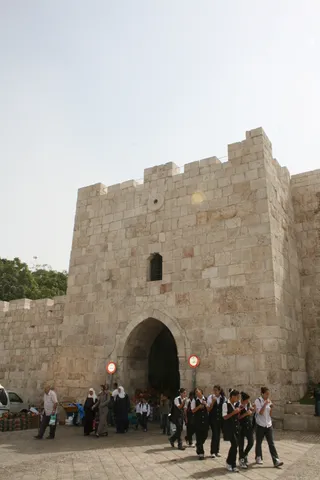 Herodestor
 Hiskija-Tunnel
 Jaffator
 King David Hotel
 Löwentor
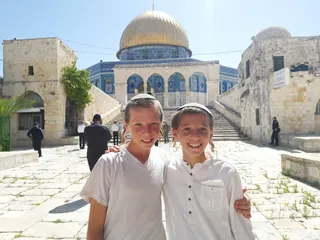 Haram Jerusalem
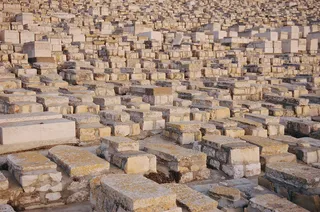 Jüdischer Friedhof am Ölberg
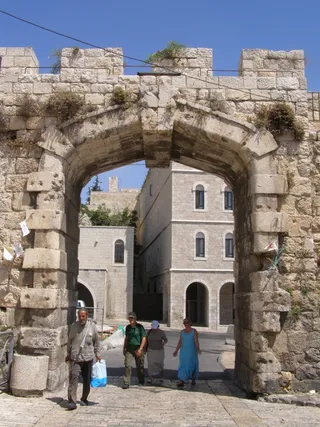 Neues Tor
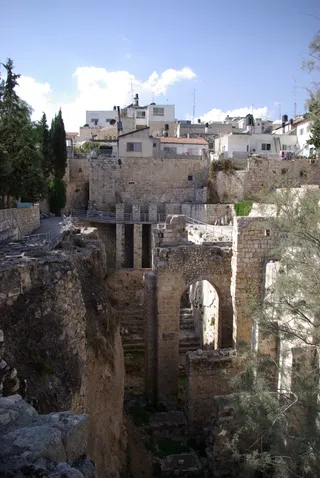 Bethesda
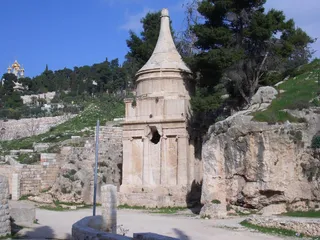 Absaloms Grab
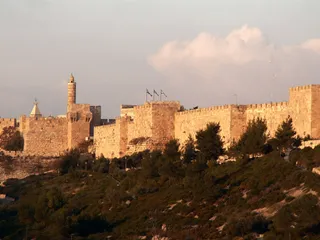 Stadtmauer von Jerusalem
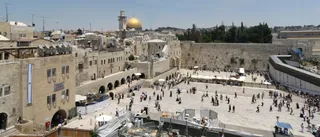 Western Wall Plaza
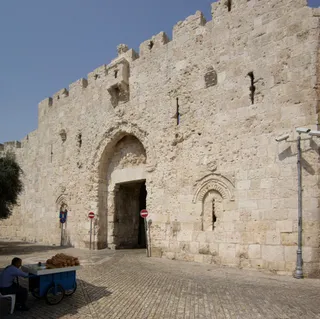 Zionstor
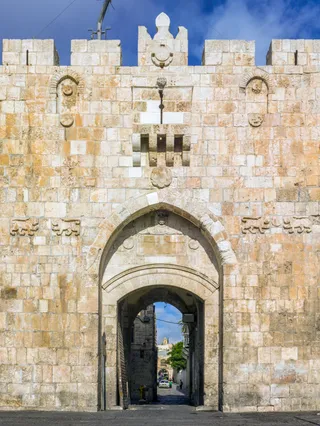
Also known as Bab al-Maghariba, Moroccan Gate, or Silwan Gate, the portal operates as the primary vehicular exit from the Old City. Public buses heading toward the Western Wall share this constricted passage with local traffic, creating constant movement along the southern ramparts. Ottoman builders originally constructed it as a modest pedestrian postern designed solely for foot travellers and pack animals.
Defensive features shifted repeatedly under successive rulers. An early interior gate tower disappeared before Ottoman rule concluded, while British Mandate authorities demolished a later exterior watchtower to expose original stone carvings. Jordanian engineers installed a reinforced concrete beam beneath the arch to introduce automotive access, which transformed the quiet medieval gateway into a transit corridor.
Surging pilgrim volumes prompted municipal architects Shlomo Aronson and Arthur Kutcher to elevate the historical masonry and widen the span. Engineers cast a reinforced concrete structure behind local stone cladding, replacing the flat Jordanian lintel with a curved arch. This adaptation accommodates heavy tour coaches while matching the visual language of the surrounding Ottoman fortification walls.
Was Besucher auf Google Maps schreiben
Bewertung und aktuelle Rezensionen von Google Maps werden auf Wunsch geladen.
≈ 10 Min. entferntGehinnom ≈ 30 Min. entferntGeburtskirche
Ort nicht gefunden? Die Suche versteht jede Sprache. Suche öffnen