
- Masofa
- 1,6 km
Osaka · Yaponiya
Ōsaka Tenman-gū: atrofda nima bor, qanday yetib borish va qachon borish · 2026
Residents living beside Ōsaka Tenman-gū trade quiet weekday mornings for the sudden pedestrian gridlock of the annual festival season.
Atrofda27
Valyuta kursi157,9 ¥2-noy, 2026 holatiga ko‘ra
Atrofda nimalar bor27
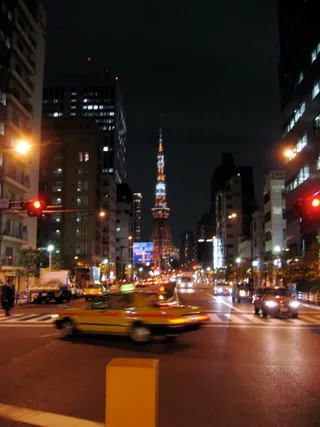 Japan National Route 1
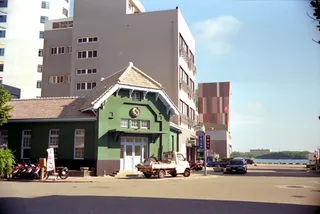 Former Konishi Family Residence
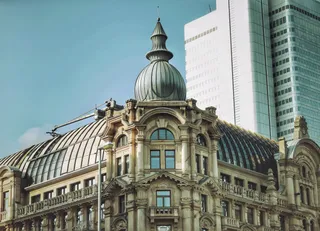 Main Build
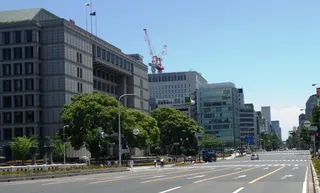 Oebashi Bridge
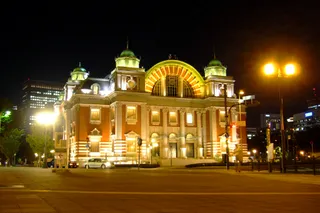 Osaka City Central Public Hall
 Senpukan
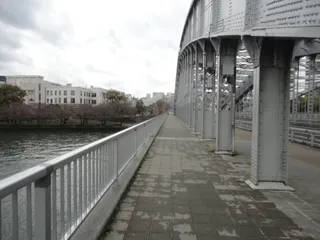
 Yodoya Bridge
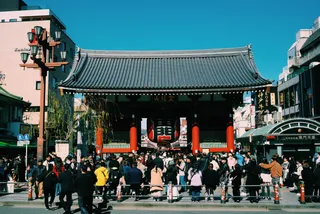 Genjō Sanzō-e
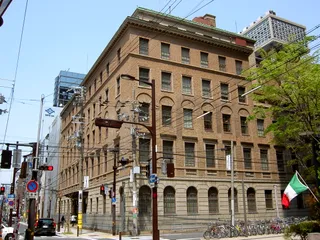 Mengyo Kaikan
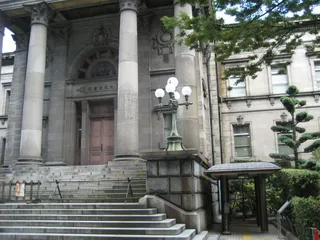 Osaka Prefectural Nakanoshima Library
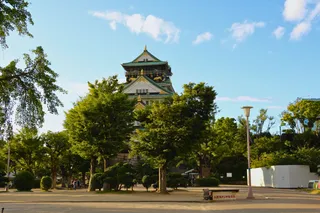 大阪府庁舎
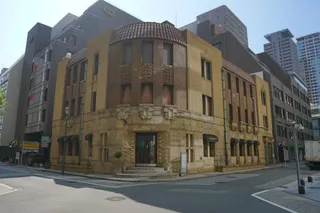 Shibakawa Building
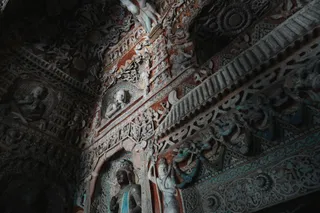 大長寺
- Osaka Castle
- Ishiyama Hongan-ji
- Osaka Museum of History
- Osaka Castle Park
- Sukunahikona-jinja Shrine
- 山本能楽堂
- 岸本瓦町邸
- Kitahama Retro Building
- Osaka Gas Building
- Tekijuku
- 鶴満寺
- Matsushita IMP building
- Crystal Tower (Osaka)
- Katamachi Station
Manzil haqida
Emperor Murakami authorized Ōsaka Tenman-gū as an imperial Shinto shrine that remains active today.
Emperor Murakami established this Shinto shrine as part of the Tenmangū network. Repeated fires leveled the complex across successive eras, forcing regular community rebuilding efforts. The surviving main gate and entrance hall date from a historic reconstruction following destructive urban blazes. Visitors encounter active ritual spaces rather than a preserved museum, with traditional ceremonies continuing through all seasons.
Davomini oqish
The annual Tenjin Festival centers on the shrine grounds, drawing extensive civic processions across the district. Heavy festival attendance closes neighbourhood roads, fills transit corridors, and disrupts regular walking routes. Long-term residents arrange schedules around these celebrations to navigate congestion, returning to standard community routines once seasonal rites conclude.
Uyushmalar
- Tenjin Festival
- Shinto heritage
- Historic architecture
Faktlar
- Emperor Murakami founded the site as a Shinto shrine within the Tenmangū network.
- The complex hosts the annual Tenjin Festival during the summer season.
- Successive fires destroyed earlier structures, leaving the entrance hall and gate to be rebuilt.
Borish va qolish
Mezbonlarda bepul turar joyMezbonlarni ko‘rish
Shaharda151
2 manba · 3-noyabr, 2026 holatiga ko‘ra
Manba: TravelHub · OurAirports (public domain)
Yaqin atrofdagi o'xshash joylar
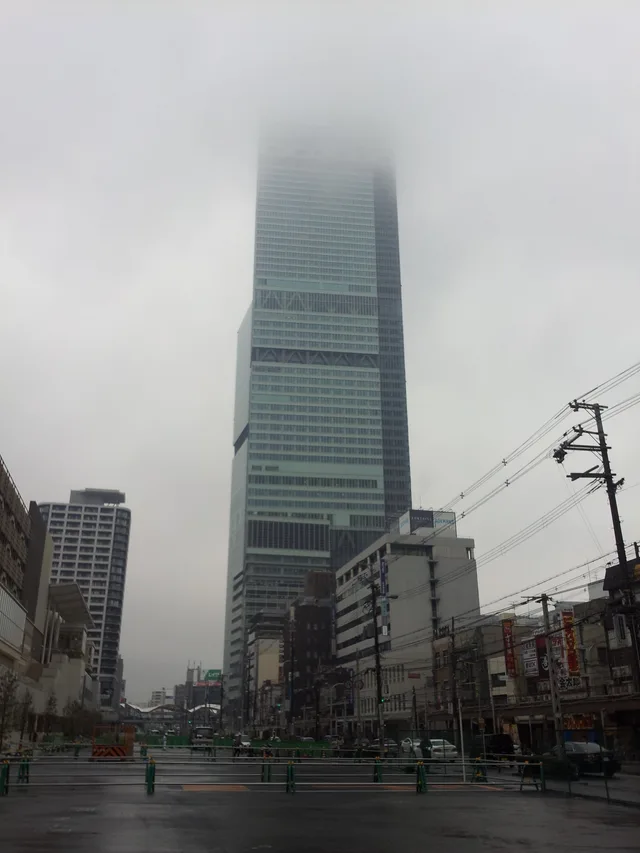 ≈ 25 daq. masofadaAbeno Harukas
- Masofa
- 5,6 km
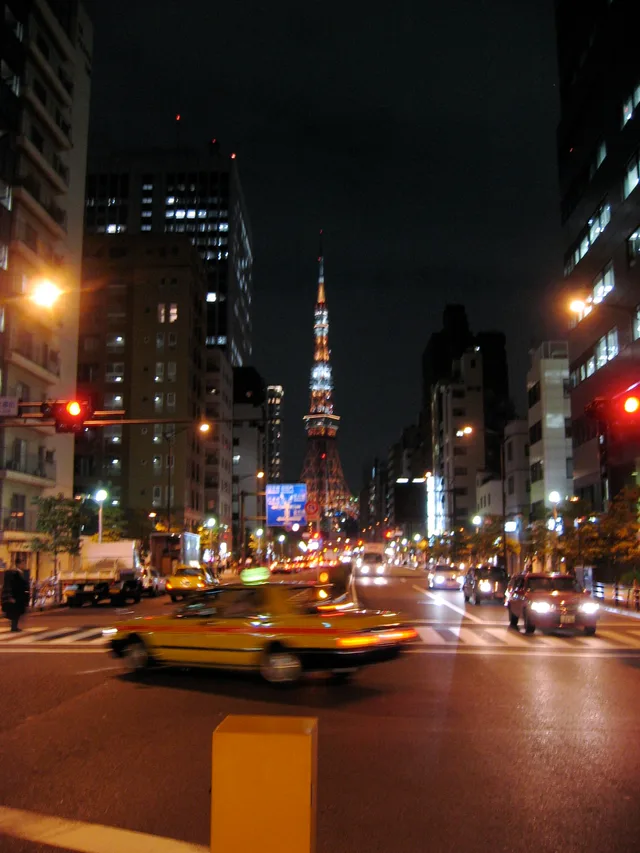
Yaponiya shaharlari
Ōsaka Tenman-gūdagi joylar
Yaqin-atrofdagi davlatlar
Ōsaka Tenman-gū haqida tez-tez so‘raladigan savollar
Kerakli joyni topolmadingizmi? Qidiruv tizimi har qanday tilni tushunadi. Qidiruvni ochish