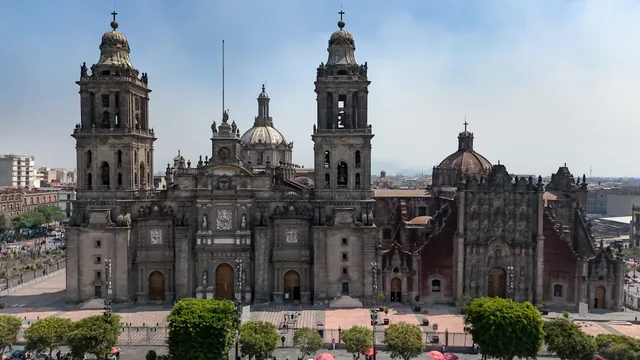
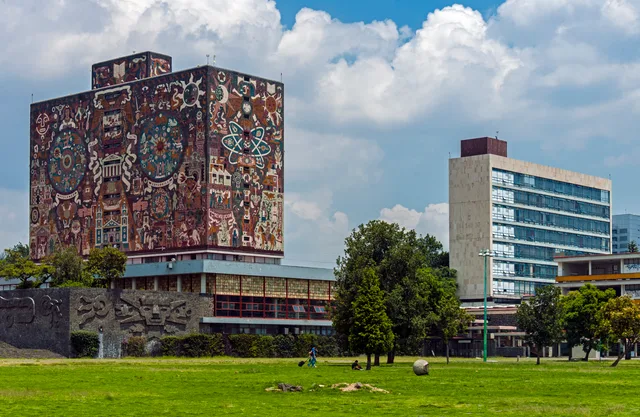
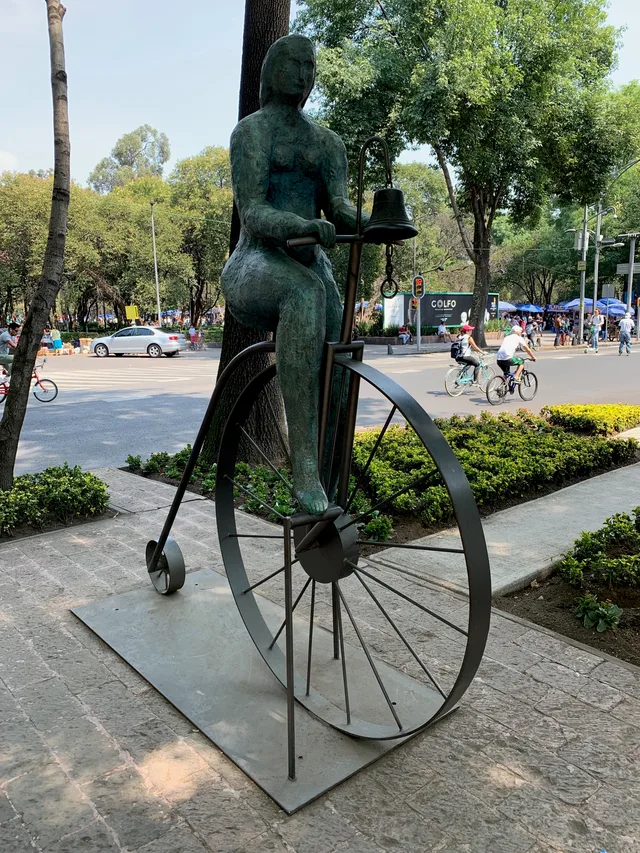
 ≈ 35 dk. uzaklıktaUlusal Antropoloji Müzesi
- Mesafe
- 17 km
 TravelHub
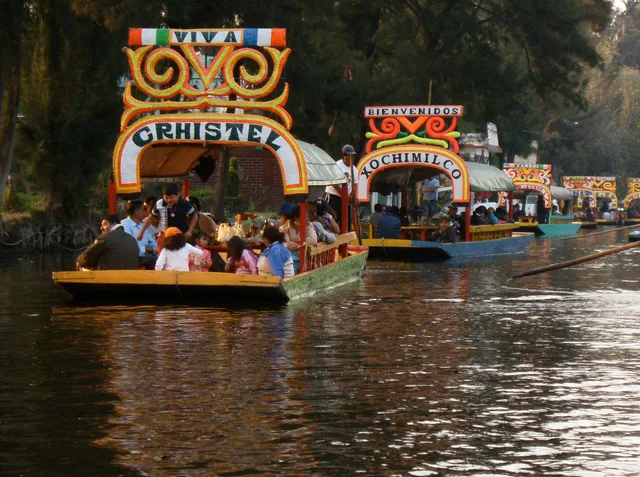
Residents trade standard urban conveniences for daily life beside historic chinampa canals and wholesale flower markets.
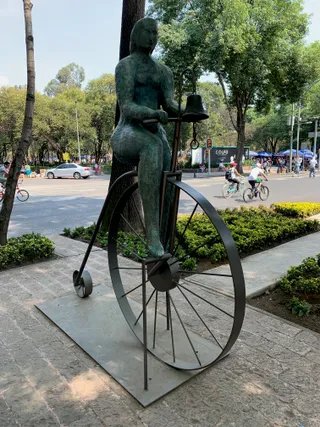 Ulusal Antropoloji Müzesi
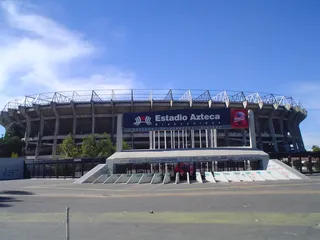 Estadio Azteca
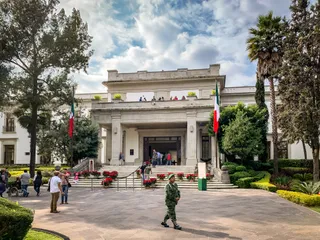 Complejo Cultural Los Pinos
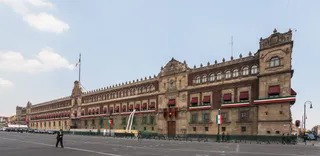 Ulusal Saray
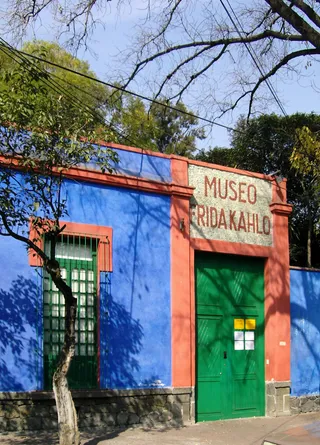 Frida Kahlo Müzesi
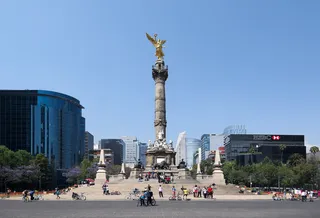 Bağımsızlık Meleği
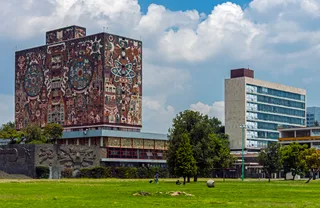 Ciudad Universitaria
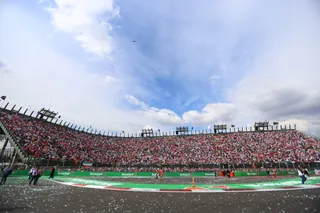 Autódromo Hermanos Rodríguez
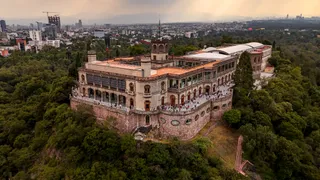 Chapultepec Kalesi
 Estadio Azul
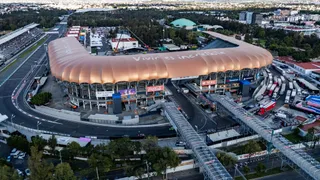 Foro Sol
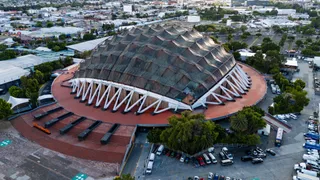 Palacio de los Deportes
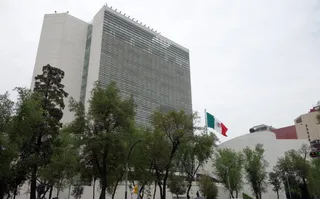 Cumhuriyet Senatosu
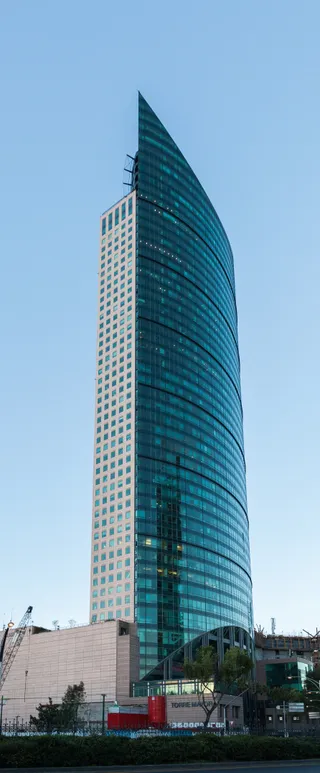 Torre Mayor
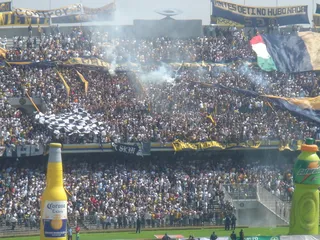 Üniversite Olimpiyat Stadyumu
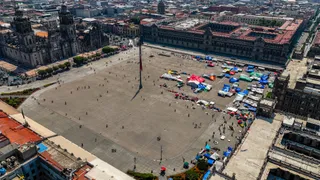 Zócalo
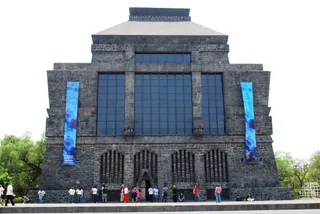 Anahuacalli Museum
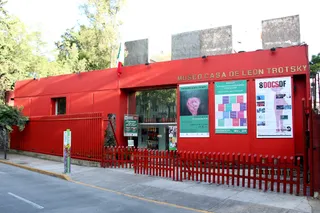 Leon Trotsky House Museum
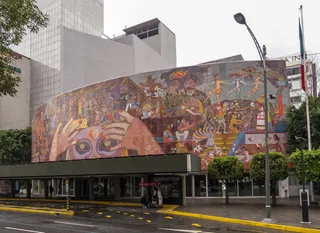 Teatro de los Insurgentes
 Cerro de la Estrella National Park
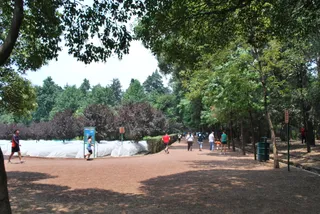 Viveros de Coyoacán
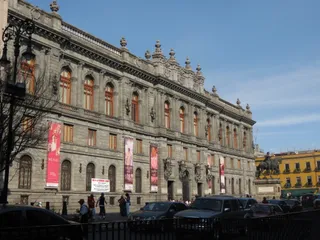 Museo Nacional de Arte
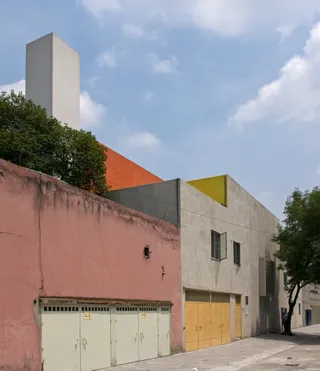 Luis Barragán House and Studio
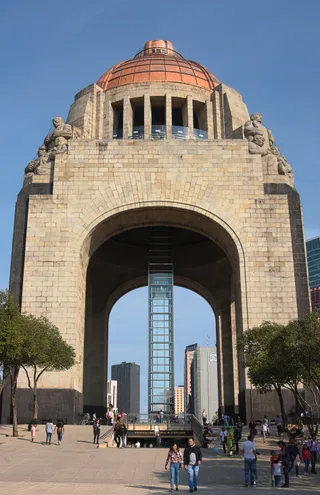 Monumento a la Revolución
 National Autonomous University of Mexico
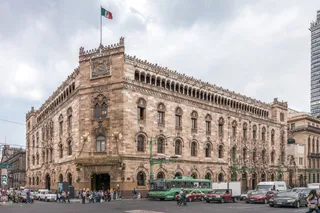 Palacio Postal
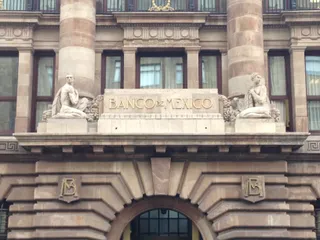 Banco de México Building
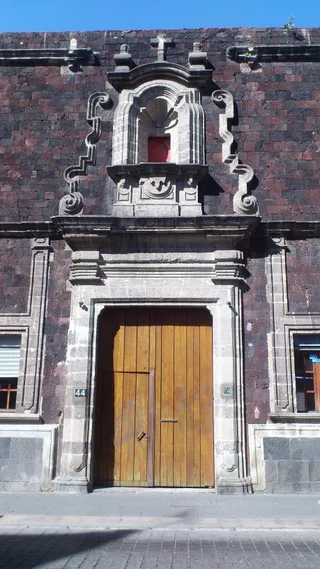 Casa de la Covadonga
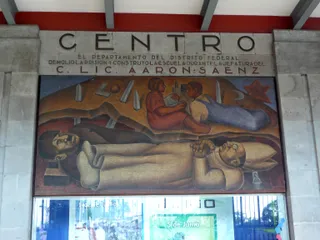 Centro Escolar Revolución
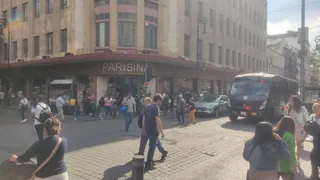 Historic downtown of Mexico City
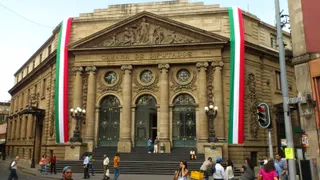 Palacio Legislativo de Donceles
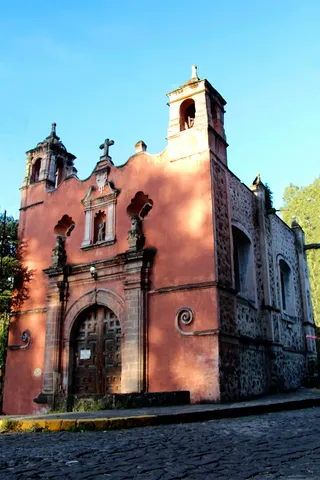 Capilla de San Antonio de Panzacola
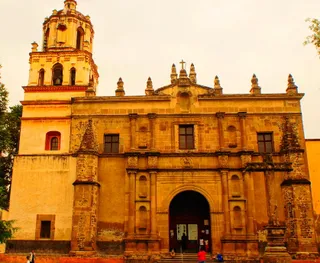 Iglesia de San Juan Bautista
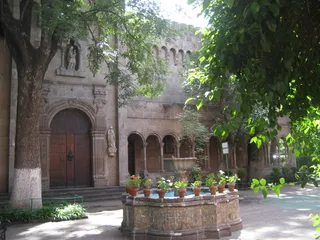 Instituto Cultural Helénico
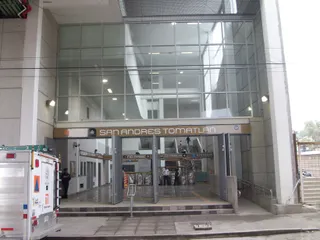 Metro San Andrés Tomatlán
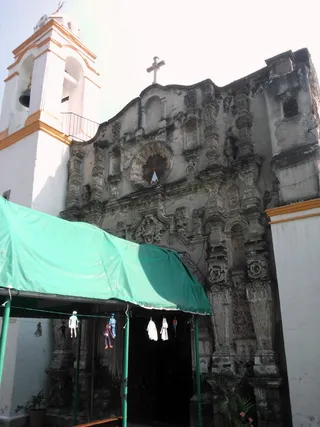 Parish of Santa Anita Zacatlamanco, Iztacalco
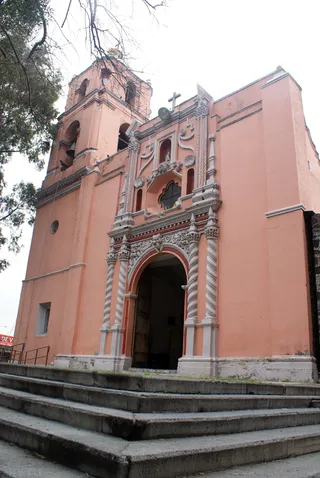 San Marcos Mexicaltzingo
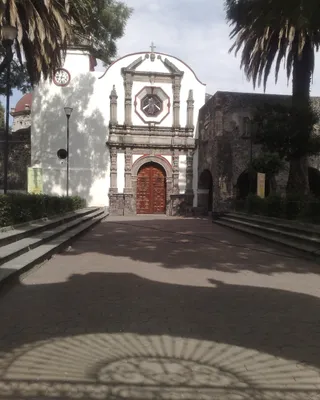 Templo y exconvento de San Matías apóstol de Iztacalco
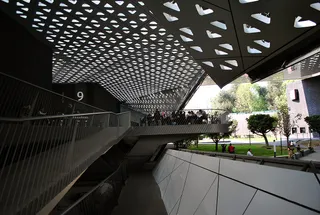 Cineteca Nacional
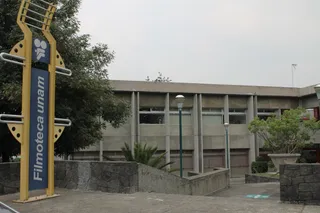 Filmoteca
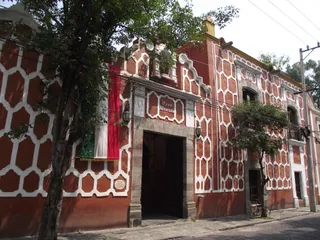 Fonoteca Nacional
 Museo de arte Carrillo Gil
 Museo de El Carmen
 Museo de las IntervencionesMuseo del Cine
 Museo del Fuego Nuevo
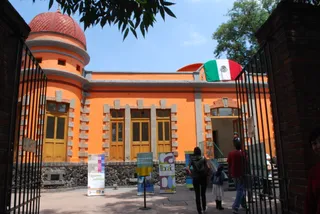 Museo Nacional de Culturas Populares
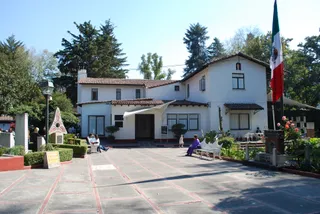 Museo Nacional de la Acuarela Alfredo Guati Rojo
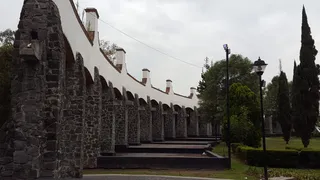 Alameda del Sur
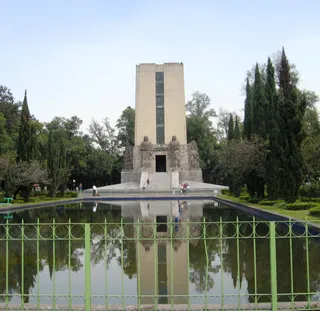 Parque de la Bombilla
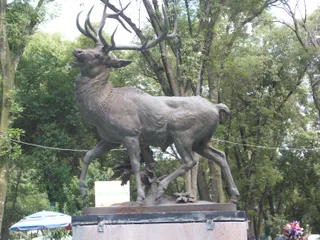 Parque de los Venados
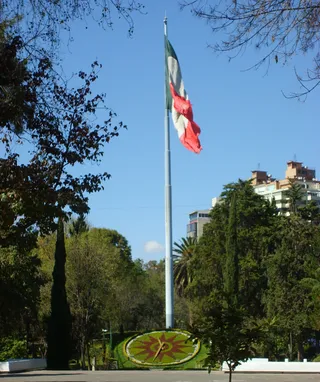 Parque Luis G. Urbina (Parque Hundido)
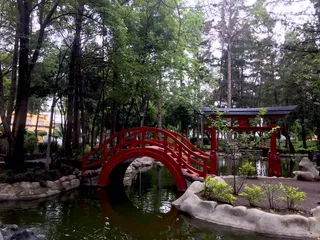 Parque Masayoshi Ohira
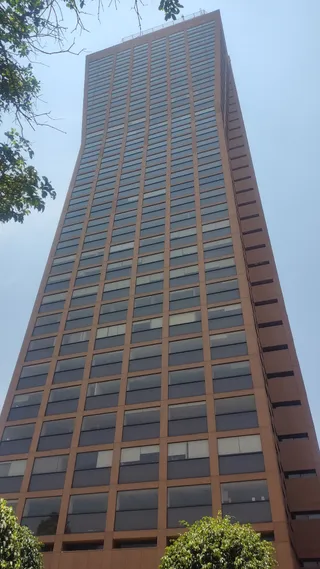 Torre AXA México
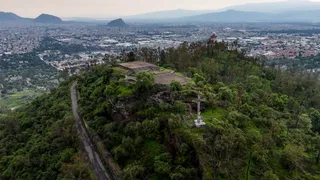 Cerro de la Estrella
 Sol Rojo
The borough grew from an independent settlement on the southern shore of the lake basin. Its Nahuatl name translates to flower field, referencing the chinampa plots engineered for cultivating corn, beans, and squash. A precolonial ruler later relocated the settlement center to the island of Tlilan. Modern transit corridors like Avenida Guadalupe I. Ramirez still trace the ancient causeways that connected the island to the mainland.
Centuries of agricultural trade established distinct local food customs, including regional preparations of esquites, chileatolli, and tlapiques. Farming continues across the borough, though deteriorating water quality pushed cultivation away from traditional crops toward ornamental greenery. Vast distribution hubs such as Cuemanco, Mercado de Madre Selva, and Palacio de la Flor now handle the capital city's wholesale flower trade.
Tourism remains anchored to passenger trajineras traveling the canal network from authorized embarcaderos. Despite heavy visitor traffic, the area lacks conventional hospitality development, maintaining a negligible share of the city's hotel supply. Environmental stress and urban plagues have also damaged the conservation territory, leading to the local disappearance of traditional fruit trees such as capulins and peaches.
Aradığınız yeri bulamadınız mı? Arama motoru her dili anlar. Aramayı aç