 ≈ 55 min de distânciaMuseu Nacional de Belas Artes
- Distância
- 4,5 km
 TravelHub
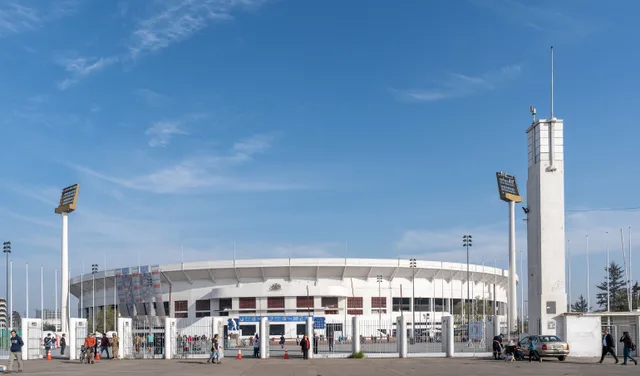
Renters settling in Ñuñoa quickly learn match days dictate neighborhood rhythms, when stadium crowds flood local avenues and metro platforms long after the final whistle.
The stadium anchors a sprawling sports park in the Ñuñoa commune, constructed on farmland donated by Jose Domingo Cañas. Beyond the central football pitch, the complex houses an aquatics center, gymnasium facilities, tennis courts, and an athletics track. It operates continuously as the regular home turf for both the Chilean national football team and club Universidad de Chile, drawing regular surges of local supporters.
Tournament expansions replaced an original cycling track with grandstand seating to accommodate the FIFA World Cup, where the national team achieved its highest international tournament finish. The arena has staged South American football championships and outdoor basketball finals alongside music concerts and the annual Teletón charity broadcast. These non-sporting events routinely fill the venue to capacity.
Following the coup against President Salvador Allende, the military regime converted the stadium into a metropolitan detention camp. Soldiers confined prisoners across the pitch, stands, and locker rooms, while interrogations took place inside the velodrome. The site saw widespread torture and executions of detainees, prompting the Soviet Union national team to forfeit an international World Cup qualifier rather than play on the turf.
O que os visitantes escrevem no Google Maps
A nota e as avaliações recentes do Google Maps carregam quando você pedir.
Não encontrou o local que precisa? A pesquisa entende qualquer idioma. Abrir pesquisa