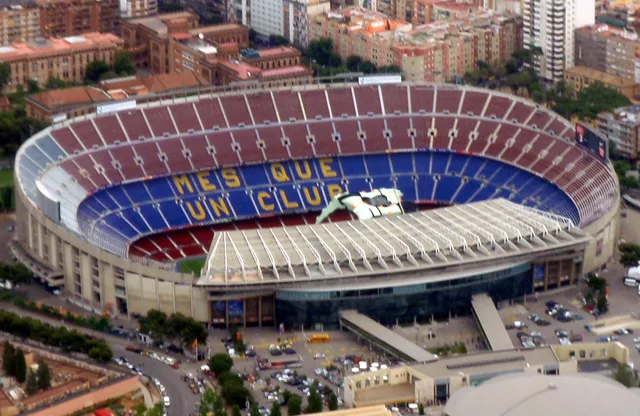
 ≈ 50 min attālumāCamp Nou
- Attālums
- 4,1 km
 TravelHub
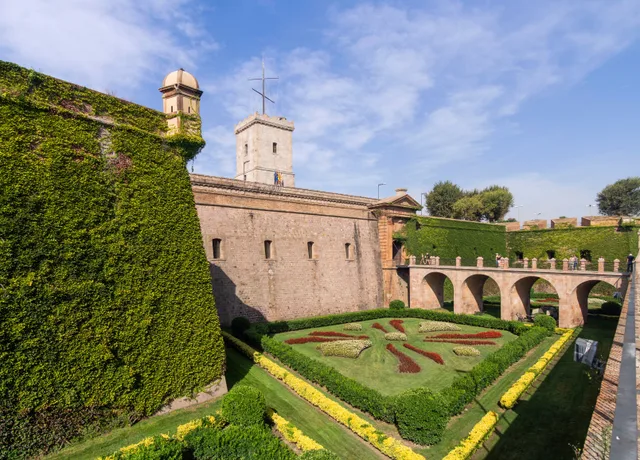
Residents who settle in Poble-sec trade flat avenues for steep climbs up the fortress hill, gaining quiet evenings above the port instead of crowded neighborhood plazas.
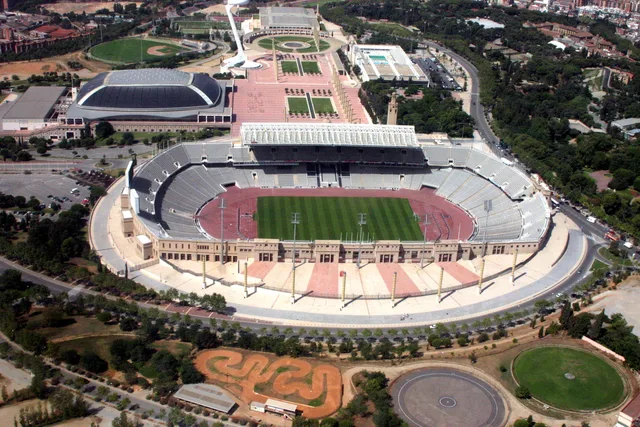
 Lluís Companys Olympic Stadium
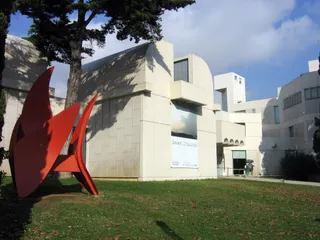 Fundació Joan Miró
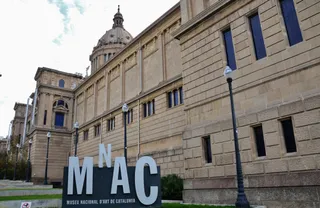 Museu Nacional d'Art de Catalunya
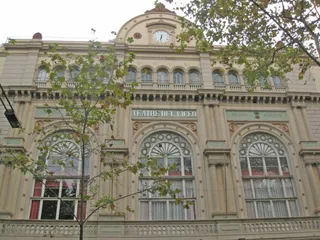 Gran Teatre del Liceu
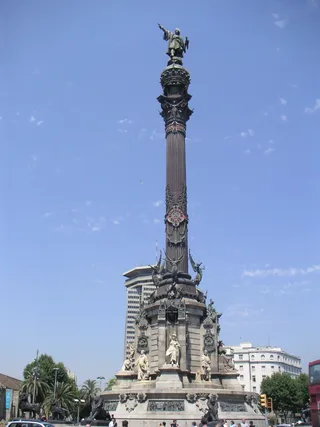 Columbus Monument
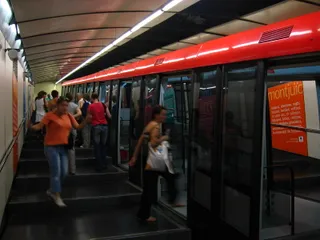 Funicular de Montjuïc
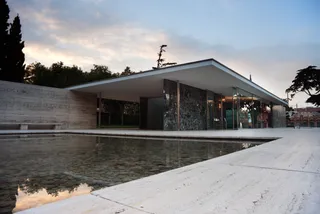 German Pavilion, Barcelona
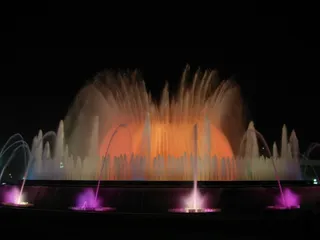 Magic Fountain of Montjuïc
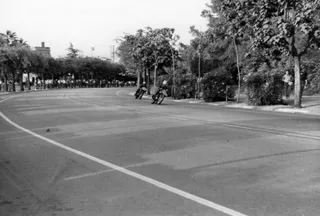 Montjuïc circuit
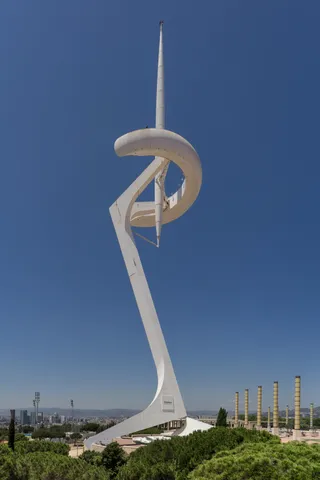 Montjuïc Communications Tower
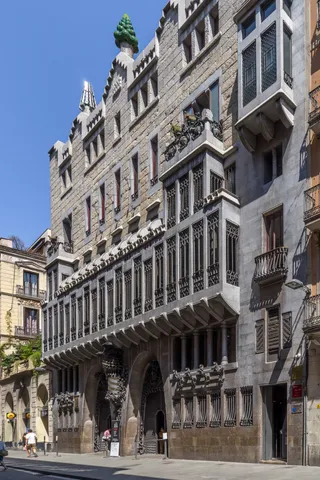 Palau Güell
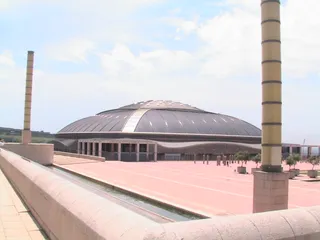 Palau Sant Jordi
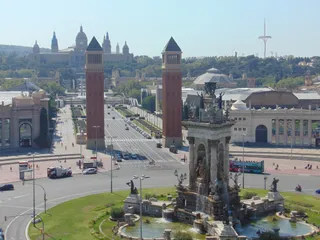 Plaça d'Espanya
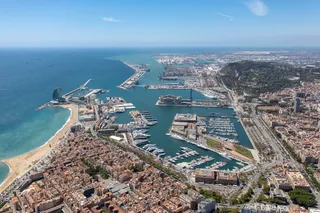 Port of Barcelona
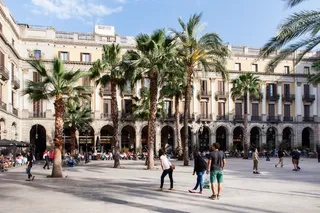 Royal Square
The stronghold crown on the hill originated during the Catalan Revolt against royal authority, witnessing combat between Catalan defenders and Spanish regiments. Later sieges brought foreign garrisons into control, including British troops whose commander became governor. Military engineers eventually demolished the older fortifications and erected the surviving bastions, battlements, and artillery positions.
The site carries heavy political memory across Catalonia. Following military defeat, the stronghold became an enduring symbol of central subjugation. Authorities converted the complex into a detention facility where state forces tortured anarchist prisoners. During the domestic civil conflict and its aftermath, the fortress served as an execution ground where regional president Lluís Companys was put to death.
During the Napoleonic invasion, French troops occupied the ramparts without combat because local defenders received explicit orders not to resist. Decades later, Francisco Franco established an armor museum within the walls before the entire estate transitioned into a civic installation. Residents visiting the summit today encounter open public promenades that replaced centuries of garrison control and artillery batteries.
Ko apmeklētāji raksta Google Maps
Vērtējums un jaunākās atsauksmes no Google Maps ielādēsies pēc pieprasījuma.
≈ 50 min attālumāCamp Nou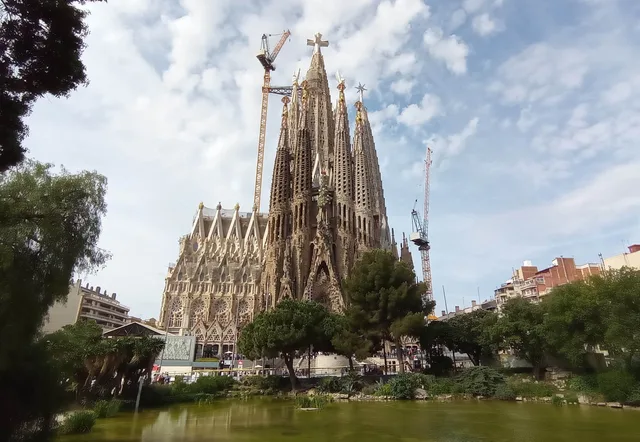 ≈ 55 min attālumāSvētās Ģimenes baznīca
Nevarat atrast vajadzīgo vietu? Meklēšana saprot jebkuru valodu. Atvērt meklēšanu