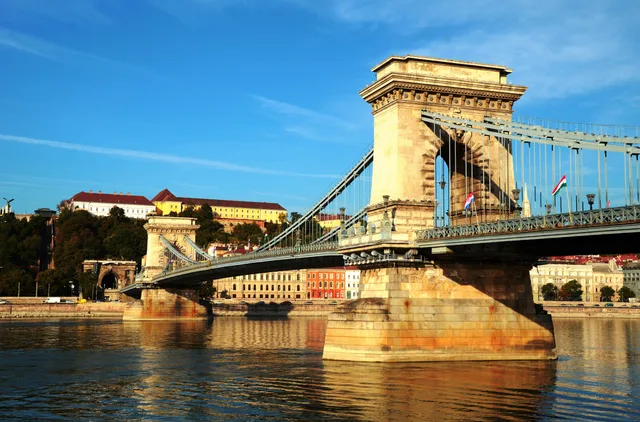
 ≈ 15 min attālumāĶēžu tilts
- Attālums
- 900 m
 TravelHub
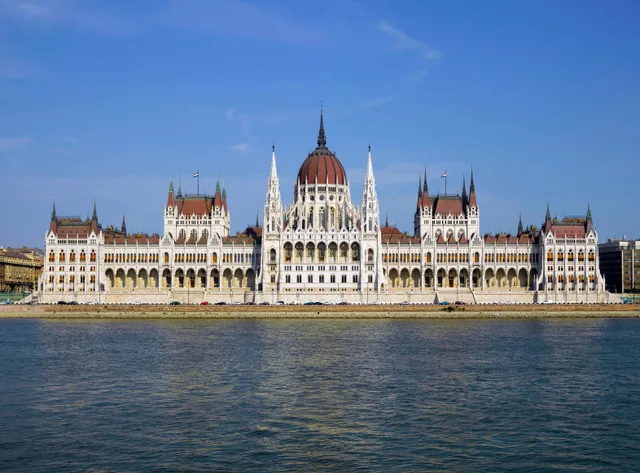
Commuters cross Kossuth Square around sudden security cordons and political assemblies, stepping directly into quiet residential blocks behind the Pest waterfront.
Architect Imre Steindl designed the assembly hall following an international design contest, borrowing neo-Gothic elements from the Palace of Westminster and Vienna City Hall. Hungarian reformers chose this silhouette to signal their constitutional alignment with Western parliamentary models. Facing structures built for the Ministry of Agriculture and the Ethnographic Museum originated from the runner-up entries of the same competition.
The complex remains the largest building in the country, yet legislative work occupies only a fraction of its halls due to a single-chamber parliamentary system. The remaining wing accommodates administrative functions and official events. Steindl died before seeing the final interior finished, having lost his sight during construction, while political transitions later removed the communist emblem from the central dome.
The decision to build a dedicated legislature followed the unification of Buda, Óbuda, and Pest. While the main facade reflects Gothic principles, the central cupola incorporates Renaissance styling influenced by Vienna's Maria vom Siege church. The balcony overlooking Kossuth Lajos Square later served as the stage where politicians proclaimed the modern republic, cementing the plaza as the country's central civic venue.
Šeit vēl nav bezmaksas izmitināšanas saimnieku — tuvākā pilsēta, kurā viņi ir:
MinheneKo apmeklētāji raksta Google Maps
Vērtējums un jaunākās atsauksmes no Google Maps ielādēsies pēc pieprasījuma.
≈ 15 min attālumāĶēžu tilts ≈ 15 min attālumāSvētā Ištvāna bazilika
 ≈ 20 min attālumāBudas pils
Nevarat atrast vajadzīgo vietu? Meklēšana saprot jebkuru valodu. Atvērt meklēšanu