
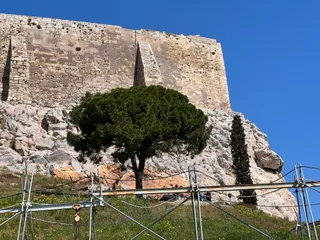
 ≈ 5 min attālumāAtēnu akropole
Peristeri · Grieķija
Partenons: kas ir apkārt, kā nokļūt un kad doties · 2026. g.
Living beside the classical citadel means treating the monument as a daily navigational anchor across rocky paths rather than a one-time destination.
Apkārtnē13
Valūtas kurss0,89 €uz 2026. gada 2. nov.
Par vietu
Classical temple architecture meets centuries of continuous conversion and structural adaptation on the citadel.
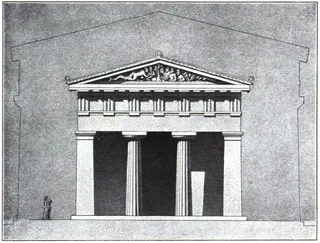
Built on the Acropolis as a sanctuary for the goddess Athena, the structure preserves foundational classical stonework and sculptural friezes. Fire and maritime raids later damaged the interior and destroyed the roof. Rebuilders installed a steeply pitched timber covering with clay tiles, leaving the flanking wings uncovered while imperial decrees gradually phased out ancient Hellenic religious rites.
Lasīt tālāk
Ecclesiastical conversions transformed the pagan sanctuary into a cathedral dedicated to the Virgin Mary. Builders reversed the orientation of the interior, adding an eastern apse, moving the main entry west, and enclosing the peristyle columns. Masons defaced exterior relief panels to erase older religious imagery, while pilgrims and imperial rulers travelled across the empire to hold services in the nave.
Subsequent occupations repurposed the monument into a Latin Catholic church, introducing vaulted burial crypts beneath the stone pavement and adding an elevated corner tower with an interior spiral stairway. Renaissance humanists later reidentified the complex through ancient travel manuscripts, establishing the modern archaeological record that defines the citadel today.
Asociācijas
- Acropolis Citadel
- Athena Cult Image
- Metope Defacement
- Medieval Pilgrimage
- Corner Watchtower
Fakti
- The monument was initially dedicated to the goddess Athena on the Athenian Acropolis.
- Conversions into a Christian church reversed the building orientation and defaced facade metopes.
- The interior served as a Latin Catholic church featuring vaulted floor tombs and a corner watchtower.
- Renaissance scholar Cyriacus of Ancona reidentified the structure using classical literature.
Partenons attēlos7 fotoattēli
Nokļūšana un apmešanās
2 avoti · Uz 2026. gada 3. novembris
Avots: TravelHub · OurAirports (public domain)
Google atsauksmes
Ko apmeklētāji raksta Google Maps
Vērtējums un jaunākās atsauksmes no Google Maps ielādēsies pēc pieprasījuma.
Līdzīgi tuvumā
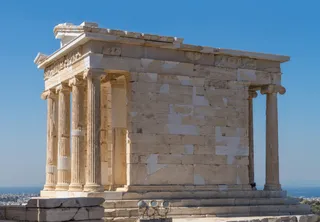
≈ 5 min attālumāAtēnu akropole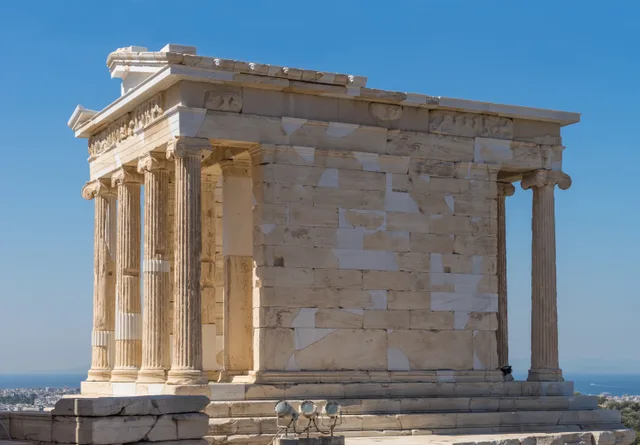 ≈ 5 min attālumāTemple of Athena Nike
- Attālums
- 100 m
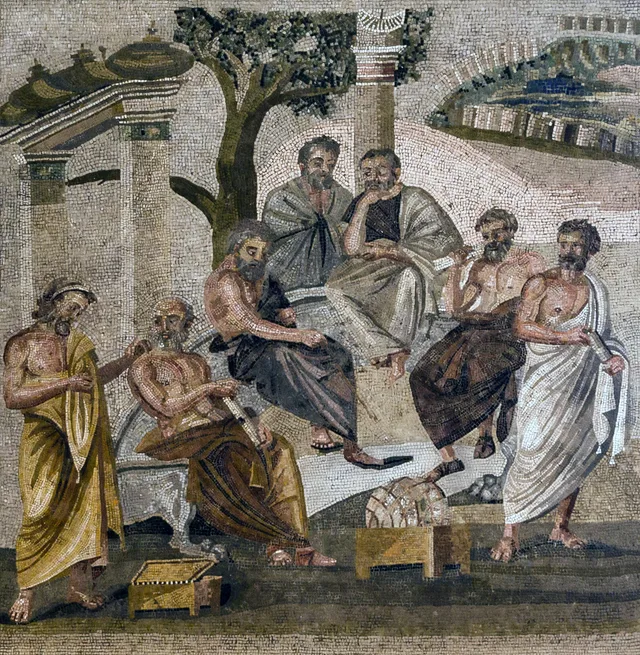 ≈ 35 min attālumāPlatona akadēmija
- Attālums
- 2,8 km
Grieķija pilsētas
Vietas galamērķī Partenons
Nevarat atrast vajadzīgo vietu? Meklēšana saprot jebkuru valodu. Atvērt meklēšanu