 ≈ 10 min attālumāNarvas rātsnams
- Attālums
- 700 m
 TravelHub
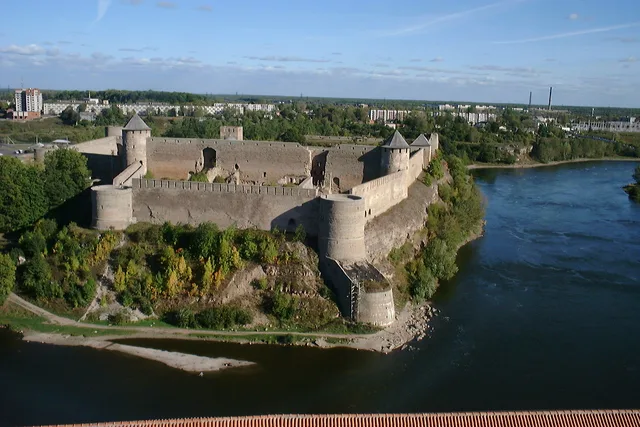
Residents look across the water at massive stone ramparts every morning, adjusting daily routines to an international checkpoint on their doorstep.
Muscovite Grand Prince Ivan ordered the stronghold erected during summer months to counter the Livonian Knights across the water. Forces under Ivan Gundar and Mikhail Klyapin subsequently retook and expanded the quadrilateral stone perimeter, constructing barracks and reinforced bastions. Continuous frontier skirmishes spurred extensive upgrades, transforming the outpost into an expansive fortification network.
The stronghold shifted repeatedly between regional empires through diplomatic accords and sieges. The Treaty of Teusina transferred authority before Swedish forces under King Gustav Adolf secured control after defending voivode Fyodor Aminev yielded the position. Peter the Great later captured the ramparts back. Within the limestone walls stand historic masonry churches dedicated to the Assumption and Saint Nicholas.
Military inspections eventually declared the installation obsolete as artillery advances outpaced thick stonework. The citadel later served as a transit station for returning wartime prisoners and housed detention camps during foreign occupation. Soviet authorities eventually drew the administrative border along the river channel, separating the complex from Narva and leaving the preserved bastions to operate as a museum.
Šeit vēl nav bezmaksas izmitināšanas saimnieku — tuvākā pilsēta, kurā viņi ir:
SanktpēterburgaKo apmeklētāji raksta Google Maps
Vērtējums un jaunākās atsauksmes no Google Maps ielādēsies pēc pieprasījuma.
≈ 10 min attālumāNarvas rātsnams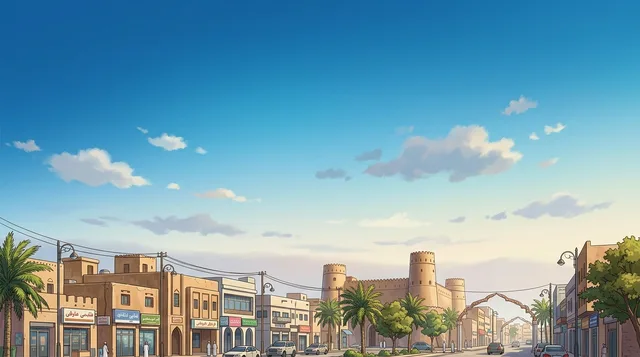 Ibri
Nevarat atrast vajadzīgo vietu? Meklēšana saprot jebkuru valodu. Atvērt meklēšanu