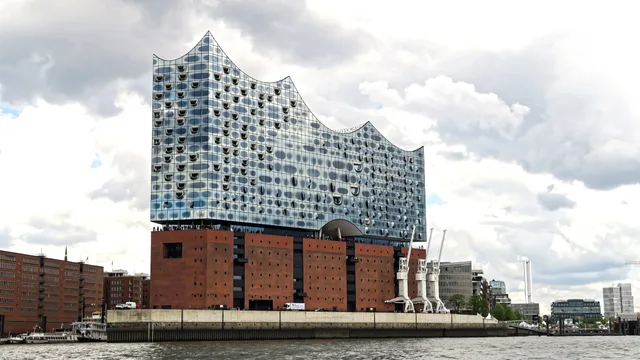
 ≈ 50 ր հեռավորության վրաԷլբֆիլհարմոնիա
- Հեռավորությունը
- 4 կմ
 TravelHub
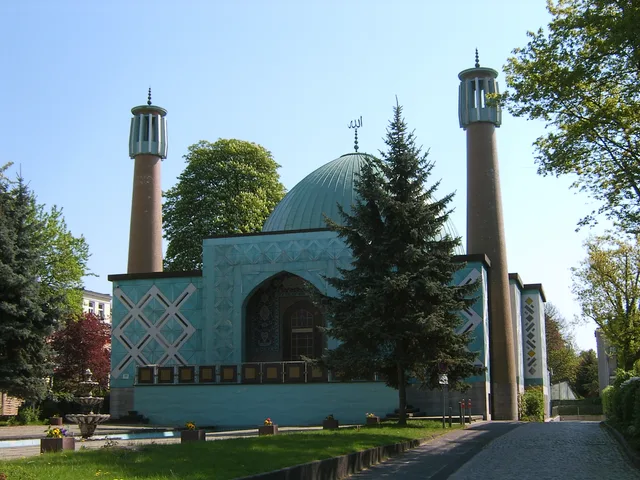
Newcomers settling around the Outer Alster discover that quiet residential avenues carry a long legacy of Iranian merchant trade, leaving long-term residents to balance strict building preservation codes against the routines of a major port metropolis.
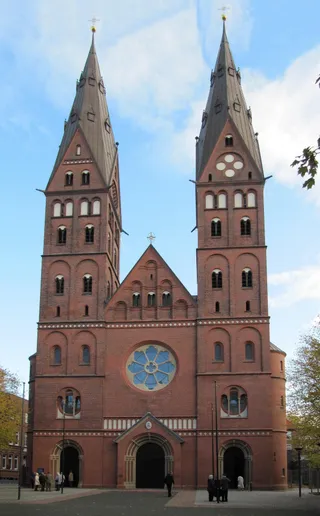 Domkirche St. Marien
 Uhlandstraße
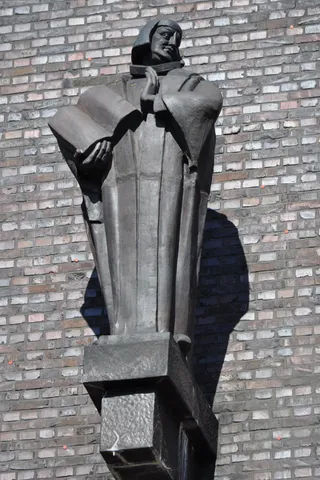 Dominikaner-Kloster St. Johannis
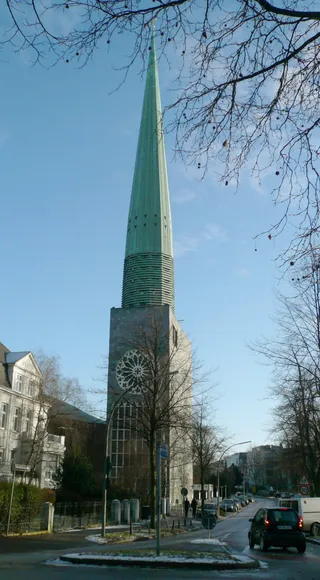 Main Church St. Nokilai
 Sankt Gertrud
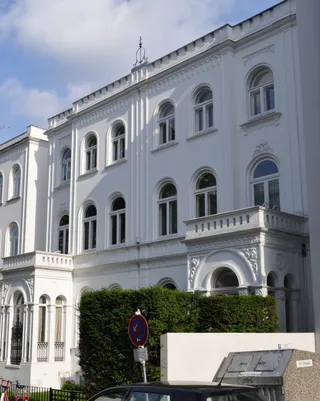 St. Johannis Harvestehude
 St. Matthew's Church
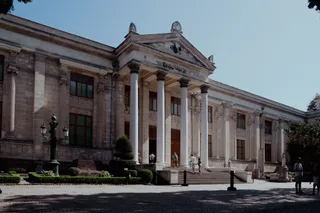 Museum of Ethnology
 Sophienterrasse
 Bellevue
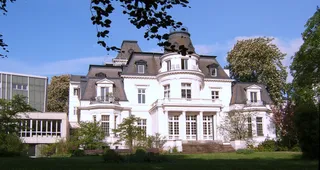 Budge-PalaisFernsicht
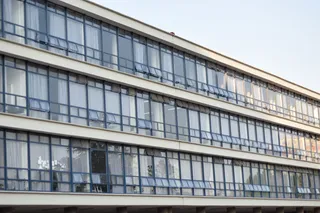 Gelehrtenschule des Johanneums
 Hammonia-Bad
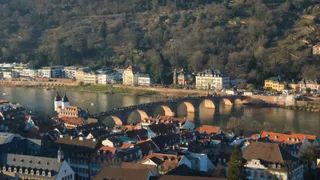 Hohenfelder Brücke
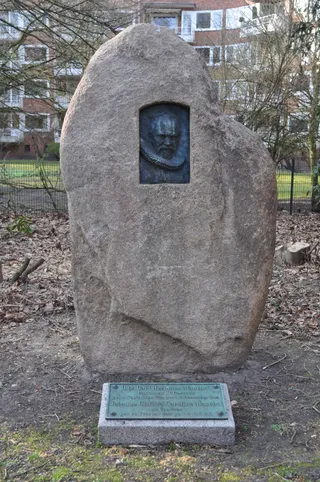 Kuhmühlenteichbrücke
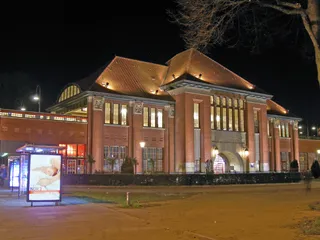 Mundsburg Center
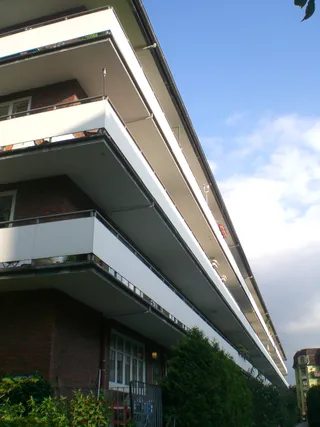 Stadtteilschule Winterhude - Winterhuder Reformschule
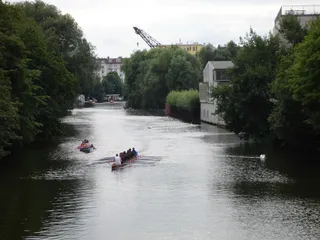 Jarrestadt
 Schleidenhof
 Schwanenwikbrücke
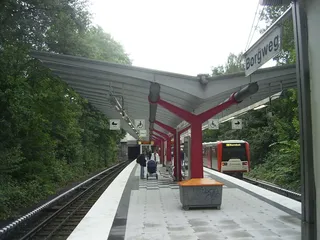
 BorgwegBorgweg (Stadtpark)
 Hamburger Straße
 Mundsburg
Carpet traders from Iran established the religious community after meeting at the Atlantic Hotel to organise a permanent house of prayer. Grand Ayatollah Seyyed Husayn Borujerdi backed the construction while barring German state or non-governmental funding, ensuring total financial independence. When construction debt threatened the project, a dedicated sugar levy in Tehran covered the outstanding bank loans.
Architects Schramm und Elingius collaborated with Iranian engineer Parviz Zargarpour to unite European and Persian building styles. City authorities initially blocked construction over green-space zoning and facade regulations until local politicians resolved the dispute. Landscape architect Gustav Lüttge designed the courtyard fountain and grounds, which now hold legal heritage protection across the entire site.
Private donations from local residents and Tehran funded the distinctive blue exterior tiles installed under Mohammad Bagher Ansari. The centre functioned as a hub for inter-religious dialogue alongside regular services. Early leadership under Mohammad Beheshti actively challenged German press hostility, advocating for the term Muslim in public discourse while handling persistent municipal friction.
≈ 50 ր հեռավորության վրաԷլբֆիլհարմոնիա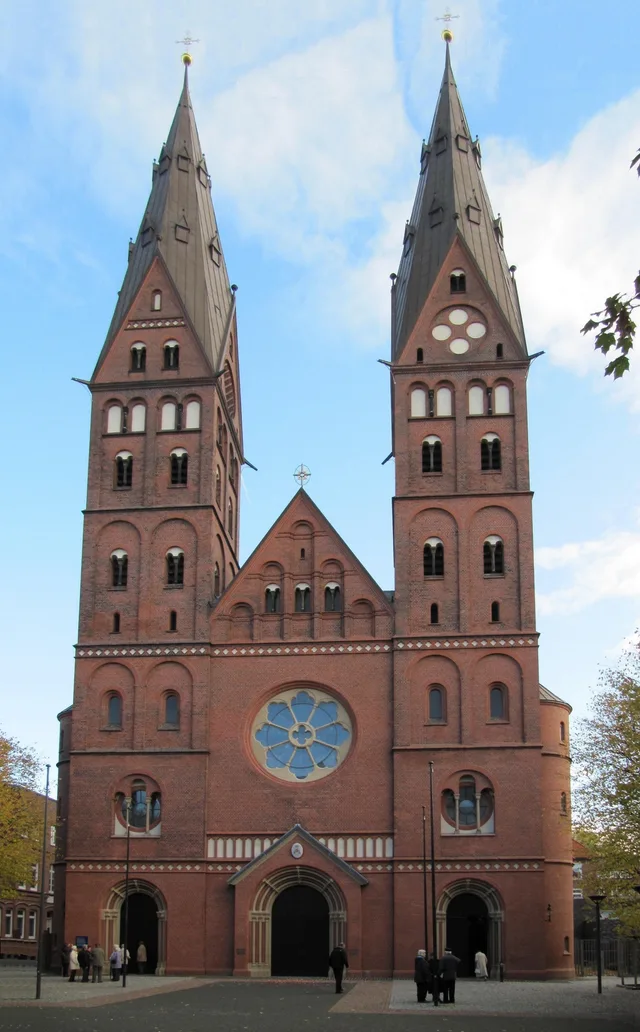 ≈ 25 ր հեռավորության վրաDomkirche St. Marien
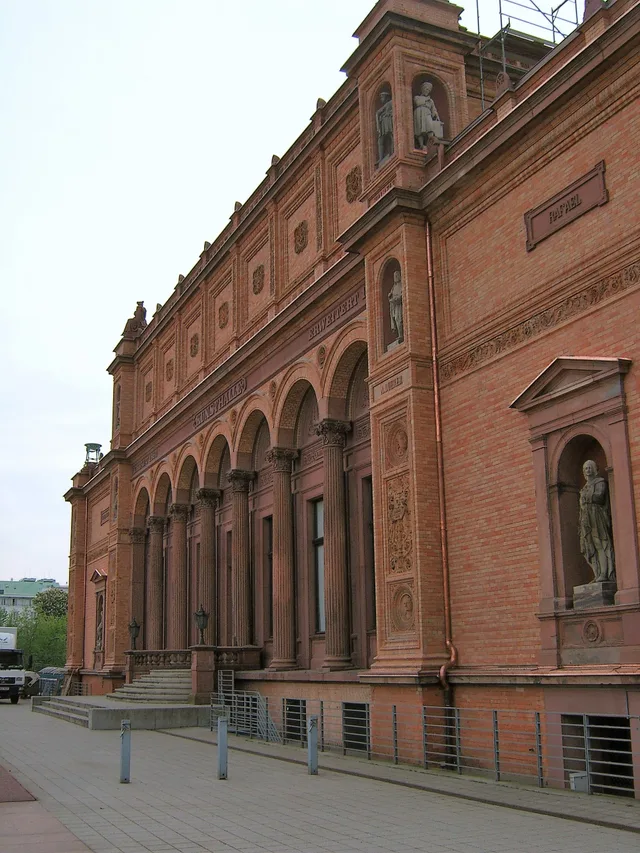 ≈ 30 ր հեռավորության վրաՀամբուրգի պատկերասրահ
Չե՞ք գտնում անհրաժեշտ վայրը: Որոնումը հասկանում է ցանկացած լեզու: Բացել որոնումը