 ≈ 35 p utazásraĦal Saflieni-i hipogeum
- Távolság
- 2,9 km
 TravelHub
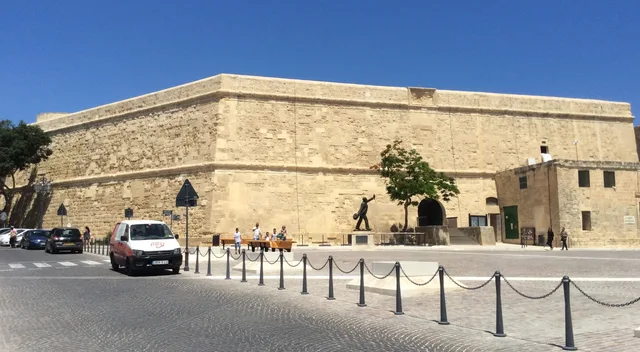
Residents navigate steep limestone ascents and historic ramparts daily, trading vehicular convenience for quiet stone walkways.
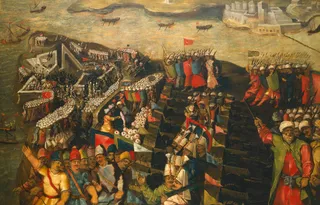
The Order of Saint John erected the cavalier following the Ottoman siege to secure the capital against landward assaults. Italian engineer Francesco Laparelli drafted the military plans alongside Maltese architect Girolamo Cassar. The raised stone battery commanded the outer approaches and connected to Saint John Cavalier through a subterranean passage, while its cannons signaled the daily opening and closing of the city gates.
British forces later altered the interior layout, inserting an arched floor to double the internal rooms and replacing the artillery roof ramp with interior stairs. The administration excavated massive cisterns underneath to store municipal water delivered through the aqueduct. During wartime bombardments the thick bastion sheltered local residents, while the upper chambers functioned as provisions storage for military staff.
Civilian functions gradually replaced garrison routines as the attached Dar Annona building shifted from grain administration to postal duties. The fort housed the state printing press for decades before a comprehensive rehabilitation transformed the gun platform into a contemporary arts space. Thick masonry walls provide natural acoustic isolation for exhibitions and performances across the converted garrison halls.
Még nincsenek ingyenes szállást kínáló házigazdák – a legközelebbi város, ahol vannak:
Róma≈ 35 p utazásraĦal Saflieni-i hipogeum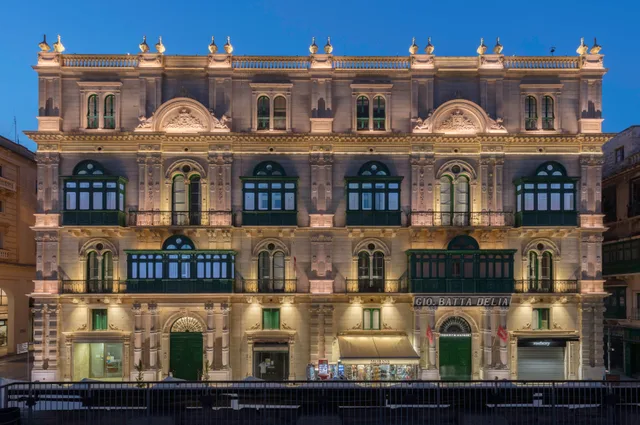 ≈ 5 p utazásraPalazzo Ferreria
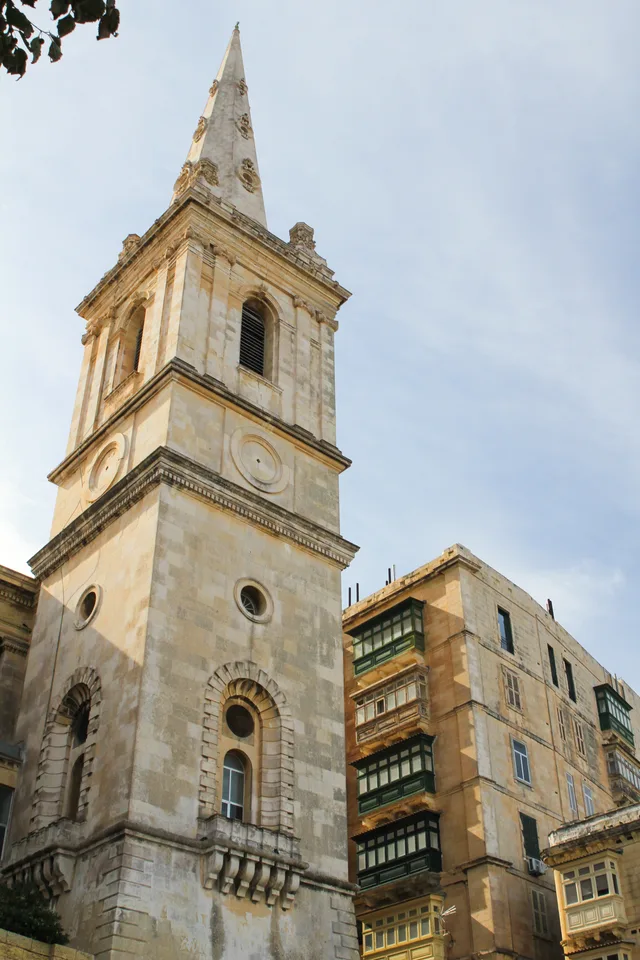 ≈ 10 p utazásraSt Paul's Pro-Cathedral
Nem találja a keresett helyet? A kereső bármilyen nyelvet megért. Keresés megnyitása