
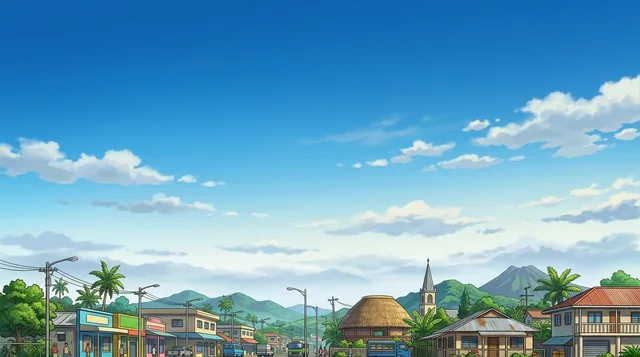
Διαβίωση
Σαμόα: Ταξιδιωτικός οδηγός, βίζες και δωρεάν διαμονή · 2026
A newcomer must navigate fa'a Sāmoa, where social life centers on strict communal respect and walled privacy vanishes inside open fale structures.
Τώρα στην πόληΣαμόα
ΕίσοδοςΕπιλογή διαβατηρίου
Μέρη στον χάρτη10Συναλλαγματική ισοτιμία2,74 WSTστα στοιχεία της 2 Νοε 2026
Τοπική γλώσσαSamoanΚορυφαία αξιοθέατα της χώρας
- Apia commercial banks, government offices, and hotels
- English
- Airport desks and vehicle rental agencies
- English
- Central produce markets and public buses
- Samoan and basic English
«Talofa» — General greeting used when entering shops or meeting people.
Σχετικά με τον προορισμό
Samoan life revolves around customary authority and strict village protocol.
Traditional custom, known as fa'a Sāmoa, directs civic governance and household habits across the islands. Social life operates through communal consensus under hereditary matai chiefs. Residential plots feature open fale pavilions without permanent walls, relying on woven frond blinds for shelter. This collective architecture eliminates domestic privacy and demands active compliance with village rules.
Διαβάστε περισσότερα
Daily logistics center on the capital of Apia, where left-hand traffic and imported cars produce persistent bottlenecks on narrow roads. Driving legally requires buying a temporary local driving permit before renting any vehicle. Outside municipal markets, commercial dining options thin out rapidly, leaving residents dependent on resort kitchens or traditional umu ground ovens that steam taro, palusami, and fish beneath hot rocks.
Independent living requires adjusting to strict village rhythms. Commercial storefronts close early in the afternoon, while roaming dogs present hazards for pedestrians along urban roads. Formal village gatherings open with ceremonial 'ava drinking bowls, and weekly church services halt regular commerce nationwide. Expatriates who settle here must adapt to communal expectations rather than relying on round-the-clock services.
Σύνδεσμοι
- Fale architecture
- 'Ava ceremony
- To Sua Trench
- Umu earth oven
- Road traffic bottlenecks
- Roaming street dogs
Στοιχεία
- The national capital and primary commercial seaport is Apia.
- Motorists drive on the left side of the road throughout the islands.
- Foreign drivers must obtain a temporary local permit to operate rented motor vehicles.
- The national currency is the tala, issued by the Central Bank of Samoa.
- Traditional male tattoos extend from the knees to the ribs, while female designs cover the thighs.
Πηγή: Wikipedia · Wikivoyage · Wikidata
Σαμόα σε εικόνες12 φωτογραφίες
Βίζα και πρακτικά θέματα
Επιλέξτε διαβατήριο
Ορίστε το διαβατήριό σας — ο χρόνος επεξεργασίας, τα τέλη και τα απαραίτητα έγγραφα διαφέρουν ανάλογα με το διαβατήριο.
Χρήσιμες πληροφορίες
- International driving licences are invalid; drivers must secure a temporary local driving permit from transport authorities or vehicle rental agencies.
- Vehicles drive on the left side of the road.
- Visiting maritime vessels must dock at Apia for border clearance and obtain government authorisation before sailing towards other domestic destinations.
2 επιπλέον κανόνες
- Ceremonial consumption of kava follows rigid cultural conventions during formal assemblies.
- Land transactions are heavily restricted and real estate is generally closed to outside entities.
Χρήσιμα μικροπράγματα
- Κάρτες
εμφάνιση περισσότερων
Banking services are accessible at the international airport terminal.
- Μετρητά
εμφάνιση περισσότερων
Currency exchange counters operate at the international airport.
- Φιλοδώρημα
Συχνές ερωτήσεις
Can visitors drive with an international driving permit in Samoa?
International driving permits are not accepted in the country. Drivers must obtain a temporary local licence from the transport authority, tourism offices, or car rental agencies. Vehicles travel on the left side of the road.
Πηγή: WikivoyageHow can travelers stay safe from roaming dogs in Samoa?
Stray dogs frequently roam the streets in the capital, Apia. Most animals ignore pedestrians who do not present a threat. Local advice recommends avoiding engagement or feigning to pick up a stone from the ground to ward them off.
Πηγή: WikivoyageWhat traditional foods are typical in Samoa?
Traditional meals are prepared in an umu, which uses heated stones covered with banana leaves. Common dishes include oka, consisting of raw fish marinated in coconut cream and citrus juice, and palusami, made from coconut cream wrapped in taro leaves. The markets in the capital provide access to these regional dishes.
Πηγή: WikivoyageWhat is the cultural significance of the ava ceremony in Samoa?
The ava ceremony is a formal ritual practiced across the islands to mark significant social occasions and title bestowals. A mildly narcotic drink made from the roots of the kava plant is shared among participants according to strict cultural rules. Travelers can also purchase the drink informally at the central market in Apia.
Πηγή: Wikipedia · WikivoyageHow does public bus transit work in Samoa?
Buses operate during daylight hours and depart from central locations near the markets in Apia. On the island of Savai'i, routes begin near the ferry wharf at Salelologa. Passengers can catch buses directly on the main roads where residents assemble.
Πηγή: Wikivoyage · WikivoyageWhat should visitors know about traditional Samoan fale architecture?
A traditional fale is a communal pavilion built without fixed exterior walls. Protection from weather and overnight privacy are provided by woven coconut palm blinds. Master builders construct these buildings using ancestral techniques that remain integral to village life.
Πηγή: Wikipedia5 πηγές
Πηγή: Wikipedia · Wikivoyage · Wikivoyage · Wikipedia · Wikivoyage
Ασφάλεια και υγεία
Ασφάλεια · επίσημες συμβουλέςδεδομένα μας στις 3 Νοε 2026
Roaming dog packs in the capital present safety concerns regulated by national canine control laws.
Πηγή: UK FCDO Foreign Travel Advice · US Department of State Travel Advisory · Wikivoyage
Γλώσσα και πολιτισμός
Πέντε φράσεις για την πρώτη ημέρα και πού είναι απαραίτητη η γλώσσα
English holds official status alongside Samoan. Administrative bodies, financial institutions, and tourist operations use English extensively.
Πέντε φράσεις για την πρώτη ημέρα
- TalofaTah-lo-fah
- Fa'amolemoleFah-ah-moh-leh-moh-leh
- Fa'afetai tele lavaFah-ah-feh-tie teh-leh lah-vah
- TulouToo-loh
- E fia le tau?Eh fee-ah leh tow?
2 επιπλέον φράσεις
- O fea le faleuila?Oh feh-ah leh fah-leh-wee-lah?
- Fa'amolemole, fesoasoani maiFah-ah-moh-leh-moh-leh, feh-soh-ah-soh-ah-nee my
Πού θα χρειαστείτε τη γλώσσα
| Κατάσταση | Γλώσσα |
|---|---|
| Apia commercial banks, government offices, and hotels | English |
| Airport desks and vehicle rental agencies | English |
| Central produce markets and public buses | Samoan and basic English |
| Roadside village shops | Samoan and limited English |
| Outer island villages and traditional council meetings | Samoan |

ΓλώσσαΔωρεάν
Αγγλική γλώσσα: Συστηματική μετάβαση A2 → B2StudyHub· ≈ 110 ώρες
Δεν βρίσκετε το μέρος που ψάχνετε; Η αναζήτηση κατανοεί οποιαδήποτε γλώσσα. Άνοιγμα αναζήτησης